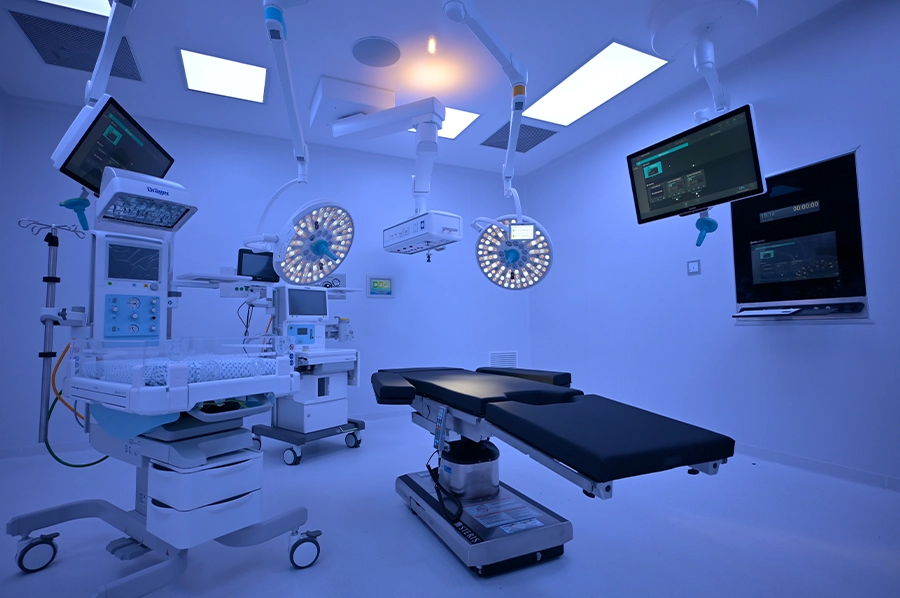
Our Respiratory Support Department provides specialized care for respiratory diseases and lung disorders, as well as respiratory therapy. Our team of specialists in pulmonology and respiratory care offers a wide range of services, including diagnosis, treatment, and pulmonary rehabilitation.
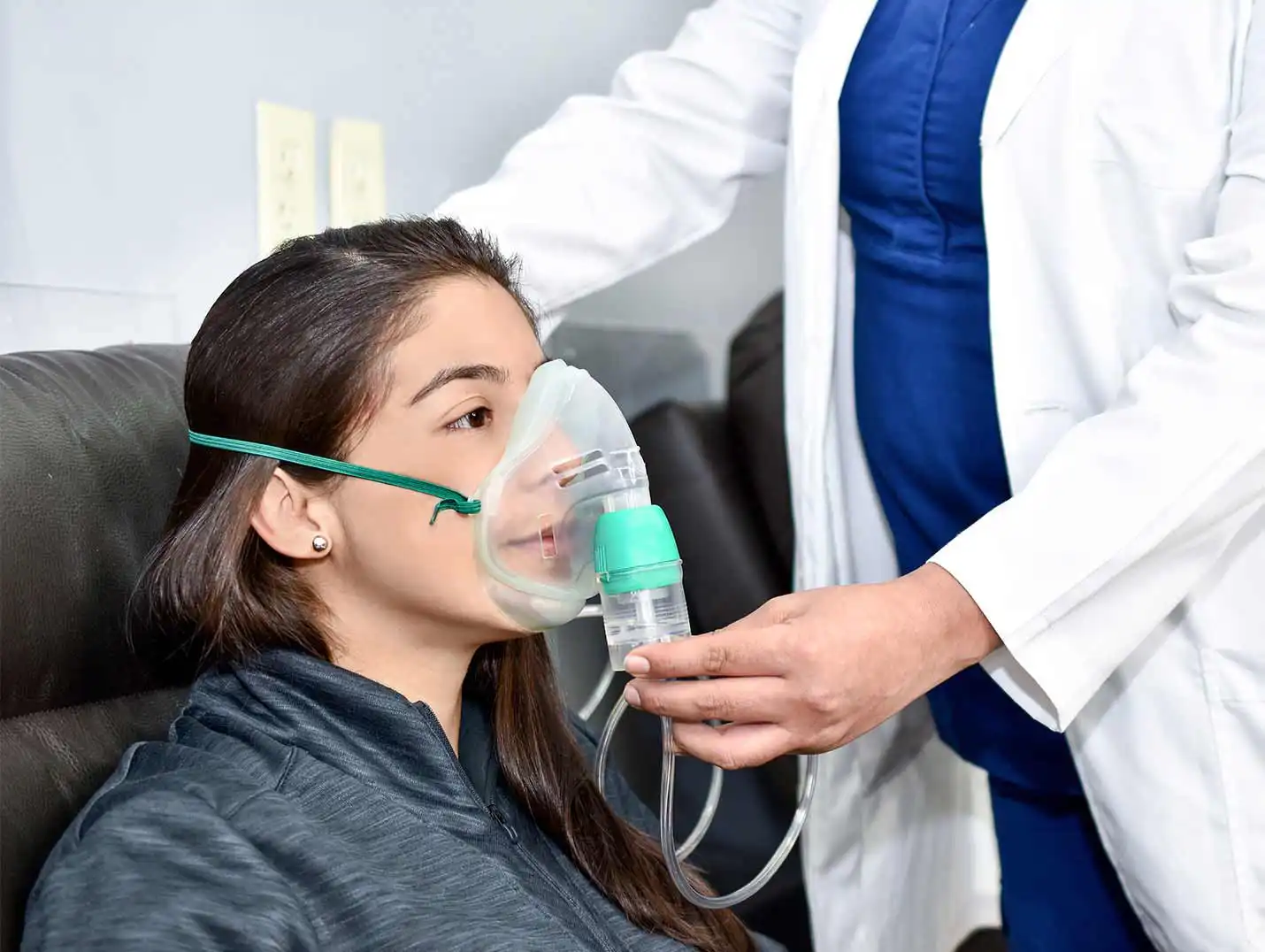
Respiratory support involves specialized techniques and equipment designed to help improve breathing when a patient has difficulty getting enough oxygen. It is used in cases of respiratory distress, lung disease, post-surgical recovery, or when a patient needs assistance to breathe more efficiently.
Depending on the specific diagnosis, oxygen therapy systems, noninvasive ventilation, nebulizers, positive pressure devices, and continuous monitoring equipment may be used. All of these are designed to provide safe and effective support.
It doesn't hurt. Some devices—such as CPAP masks—may feel new or strange at first, but the clinical team will adjust them to ensure comfort and the best therapeutic outcome.
The duration depends on each patient's condition. It may serve as temporary support during an acute episode or be part of a long-term treatment plan for chronic respiratory diseases.
In most cases, yes. The goal is to improve respiratory function and help the patient resume their daily routine more comfortably. The medical team will provide specific recommendations and care instructions based on each individual case.

 1355 Patria Ave., Puerta de Hierro Neighborhood, 45116, Zapopan, Jalisco
  +52
+52  24 hours