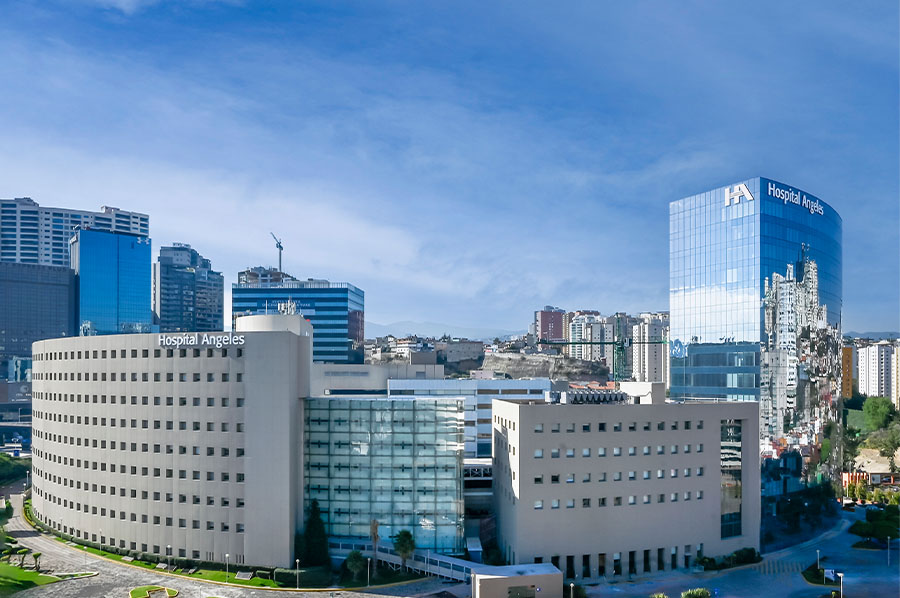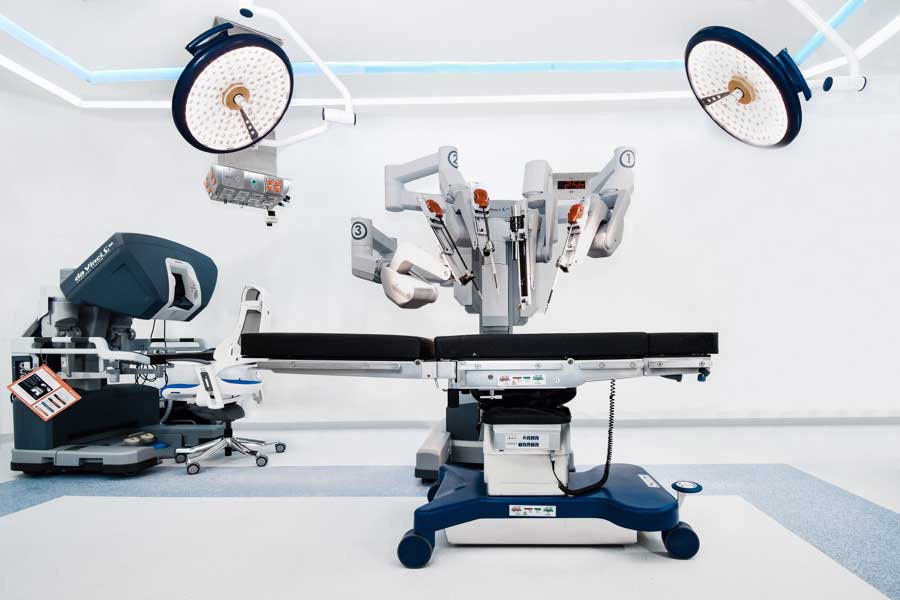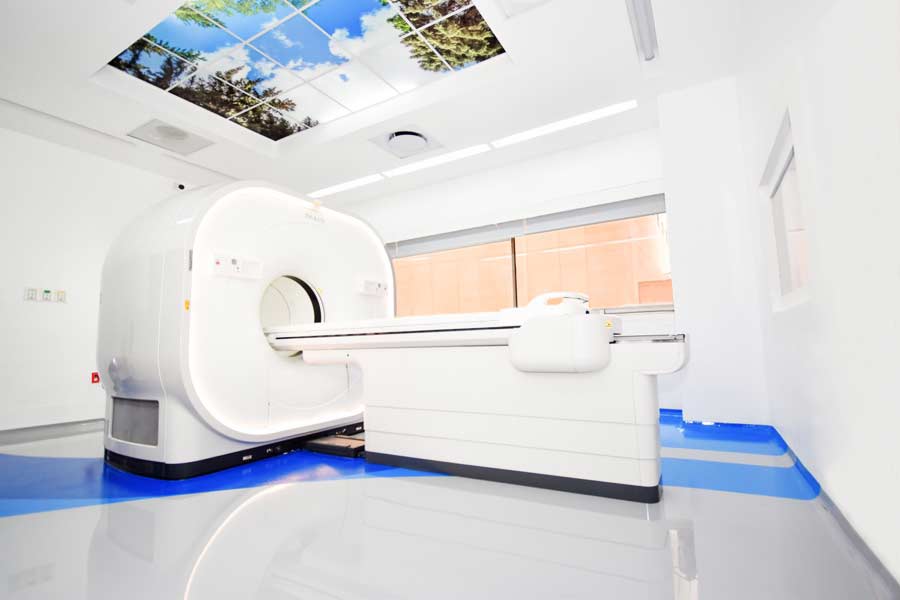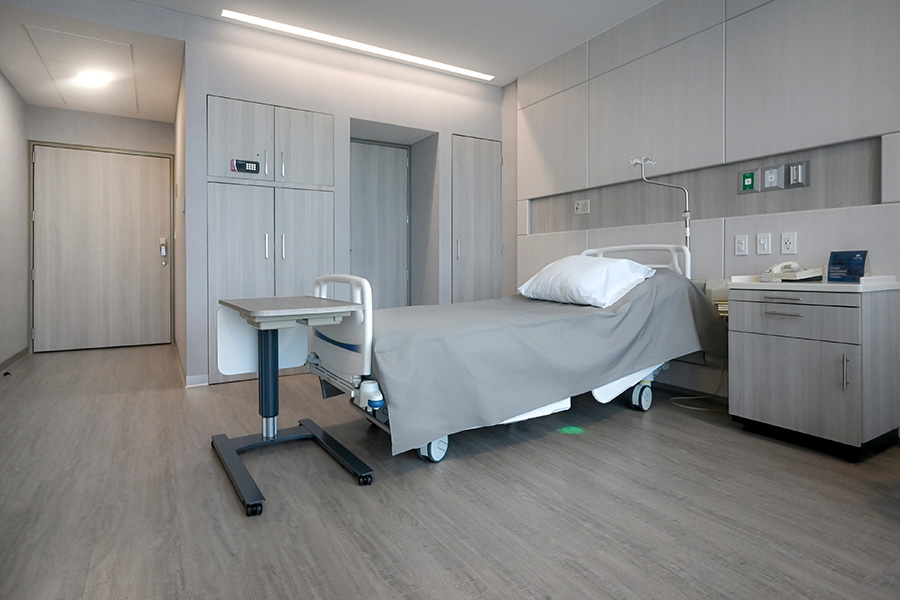
The Endoscopy and Digestive Physiology Unit at Hospital Angeles minimally invasive procedures to diagnose and treat diseases of the digestive system. It is equipped with advanced technology and staffed by specialists who combine structural and functional assessments to provide precise, safe, and personalized care.
 Vialidad de la Barranca (no number), Hacienda de las Palmas, 52763 Huixquilucan, Mexico
 +52 55 5246 5000
Ext. 2360
+52 55 5246 5000
Ext. 2360
 Monday through Saturday, 7:00 a.m. to 9:30 p.m.
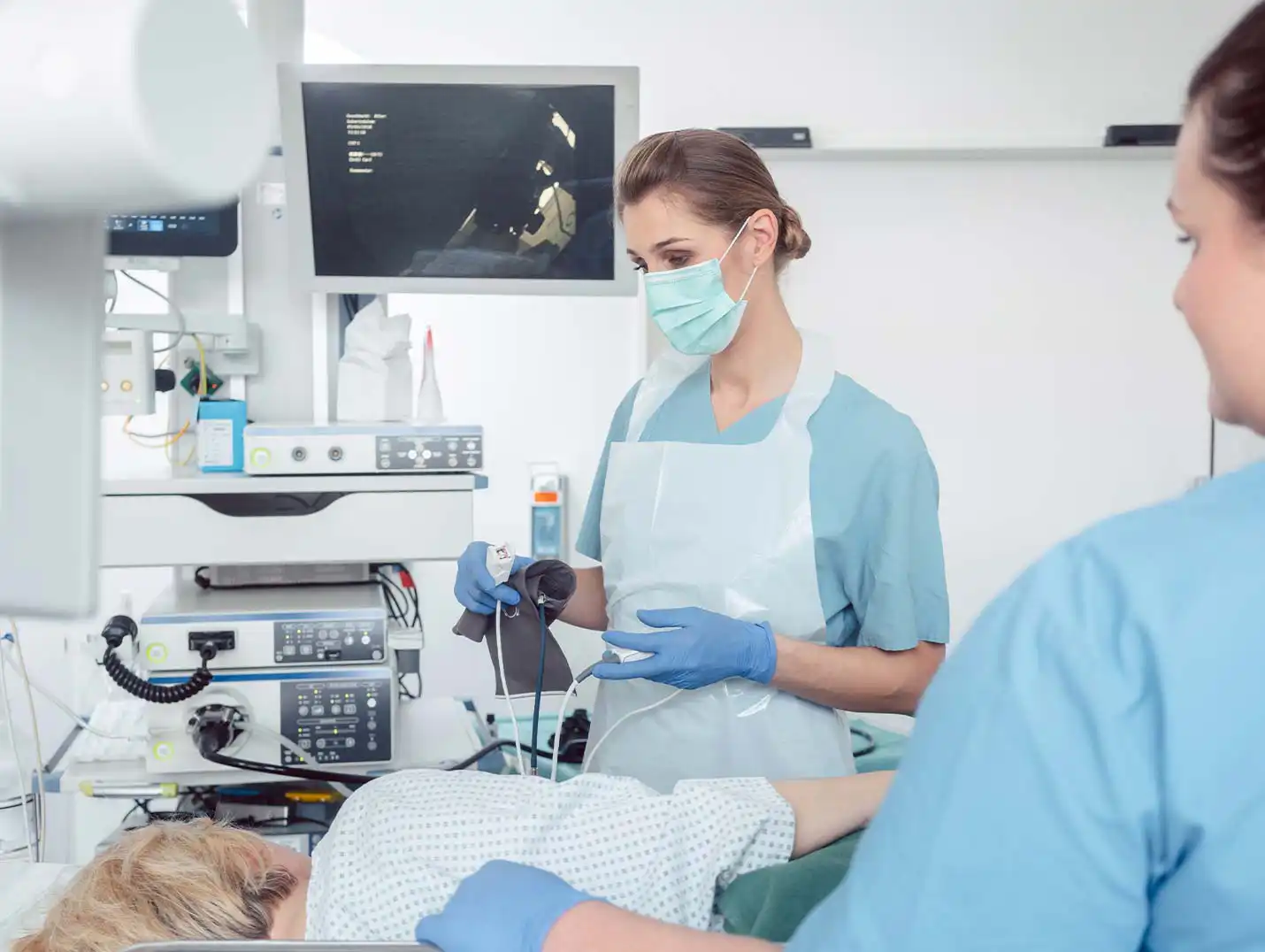
The Endoscopy and Gastrointestinal Physiology Unit at Hospital Angeles Lomas provides specialized diagnosis and treatment of gastrointestinal diseases. Our team of highly trained gastroenterologists and gastrointestinal specialists uses advanced technology to perform endoscopic procedures and gastrointestinal physiology tests with precision, safety, and minimal invasiveness.
State-of-the-art endoscopic procedures
We perform gastrointestinal endoscopies that allow us to view the inside of the esophagus, stomach, and intestines and detect conditions such as:
The procedures are quick, safe, and effective, providing an accurate diagnosis and timely treatment.
Digestive physiology tests for a functional diagnosis
In addition to endoscopy, we offer digestive physiology tests to assess the functioning of the digestive system. This allows us to identify and treat gastroesophageal reflux, dysphagia, gastroparesis, and other complex digestive disorders, ensuring comprehensive and personalized care.
Personalized and safe medical care
At Hospital Angeles Lomas we prioritize patient-centered care, offering a comfortable and safe environment. Our team guides patients through every stage of the procedure, ensuring peace of mind and confidence throughout their care.
Trust our Endoscopy and Digestive Physiology Unit to provide reliable diagnoses, effective treatments, and specialized follow-up care, ensuring comprehensive care for your digestive health.
The Endoscopy and Gastrointestinal Physiology Unit is a specialized department that performs diagnostic and therapeutic procedures on the digestive system using endoscopic and gastrointestinal physiology techniques.
This unit offers a variety of procedures, including upper gastrointestinal endoscopy, colonoscopy, echoendoscopy, and esophageal and anorectal manometry, among others.
The purpose of an upper gastrointestinal endoscopy is to examine the esophagus, stomach, and the first part of the small intestine to detect and treat conditions such as ulcers, tumors, inflammation, or bleeding.
A colonoscopy is a procedure that allows the inside of the colon and rectum to be viewed using a flexible tube with a camera at the end. It is used to detect polyps, tumors, inflammation, or bleeding in the colon.
Echoendoscopy is a technique that combines endoscopy with ultrasound to obtain detailed images of the walls of the digestive tract and nearby organs. It is used to diagnose and evaluate conditions such as tumors, cysts, or inflammation.