Imaging

Imaging

Imaging studies are performed to aid in the diagnosis of diseases and to guide surgical or therapeutic procedures, with the goal of providing the appropriate treatment for each patient. The facility is equipped with advanced technology and has an excellent medical staff.
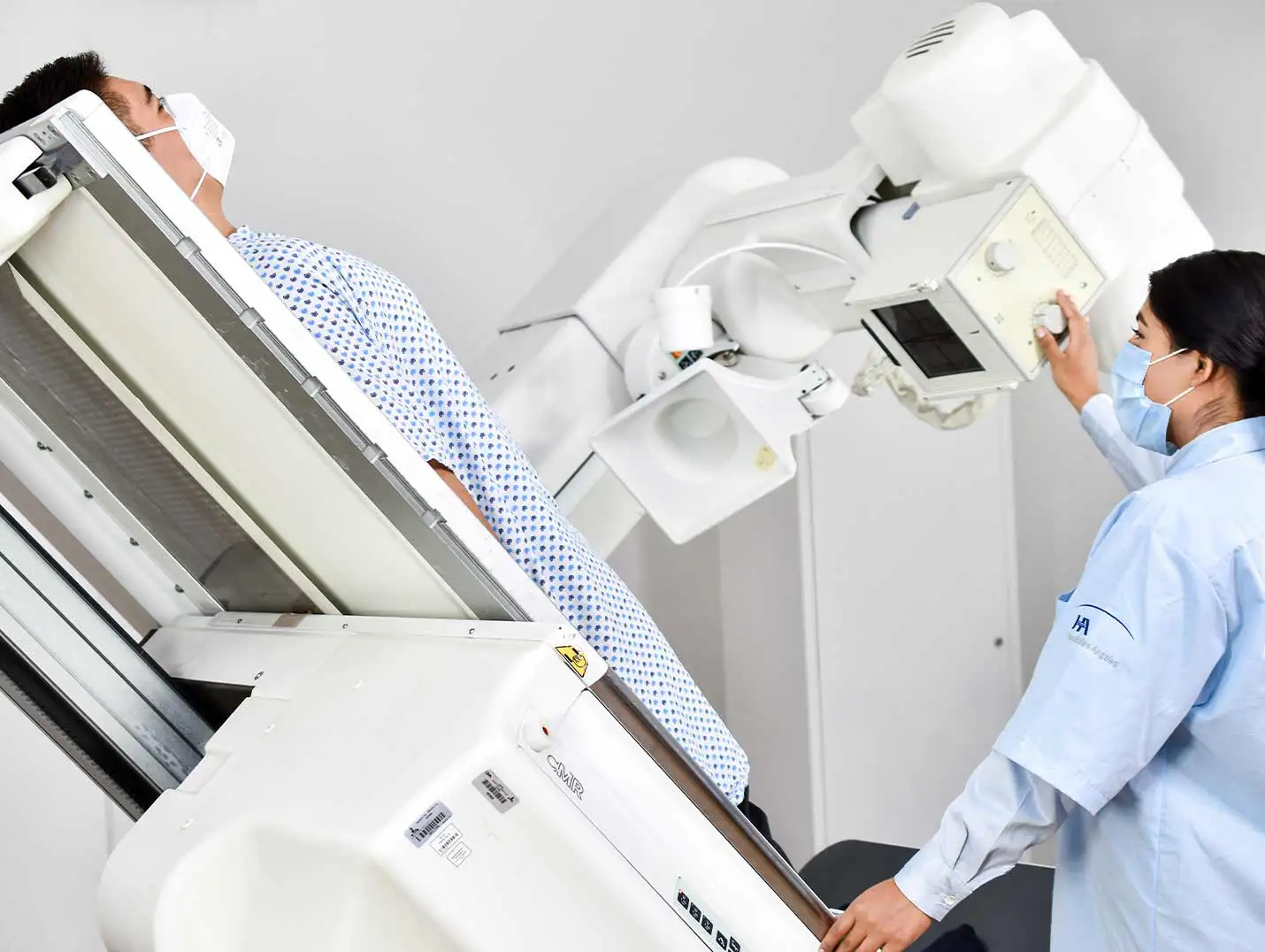


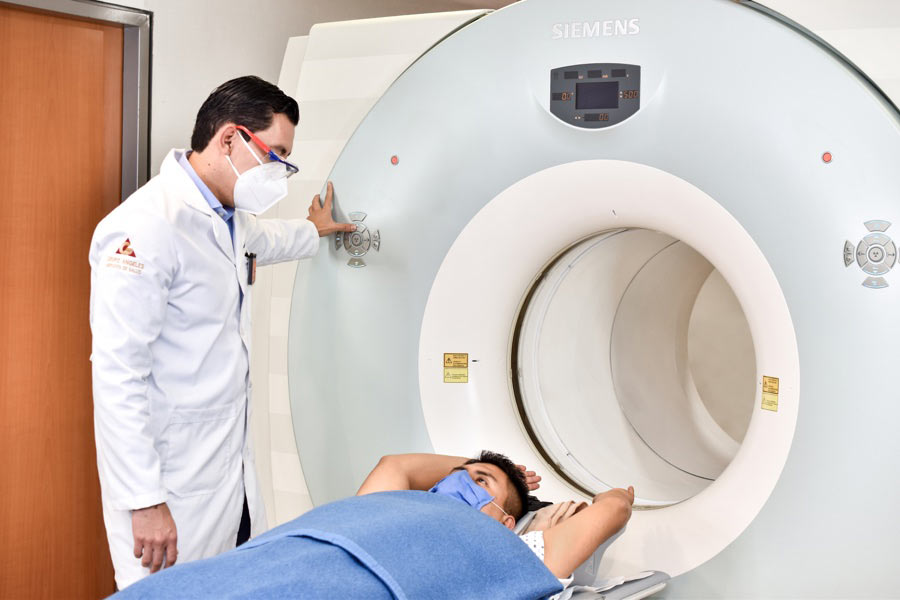
A patient is lying on the X-ray table to undergo an imaging exam. A doctor is standing next to him. A patient is lying on the X-ray table to undergo an imaging exam. A doctor is standing next to him.

Blue location pin icon on a white background. 59 Tlacotalpan Street, Roma , 06760 México City, CDMX

+52 55 5265 1800 Ext. 1810, 1018, 1818, and 1006

24 hours

The imaging department at Hospital Angeles Metropolitano one of the most comprehensive diagnostic units in the private hospital sector. Its primary objective is to provide high-precision medical images that enable specialists to make optimal, safe, and evidence-based clinical decisions.

Imaging is designed to support the diagnosis, monitoring, and treatment of a wide range of diseases, from musculoskeletal conditions to more complex conditions such as tumors, vascular diseases, or neurological disorders.

The variety of available studies allows for a more in-depth approach to clinical cases and adaptation to the specific needs of each patient. Among the most commonly used procedures, performed to high technical standards, are conventional radiology, computed tomography (CT), magnetic resonance imaging (MRI), ultrasound, and contrast-enhanced studies.

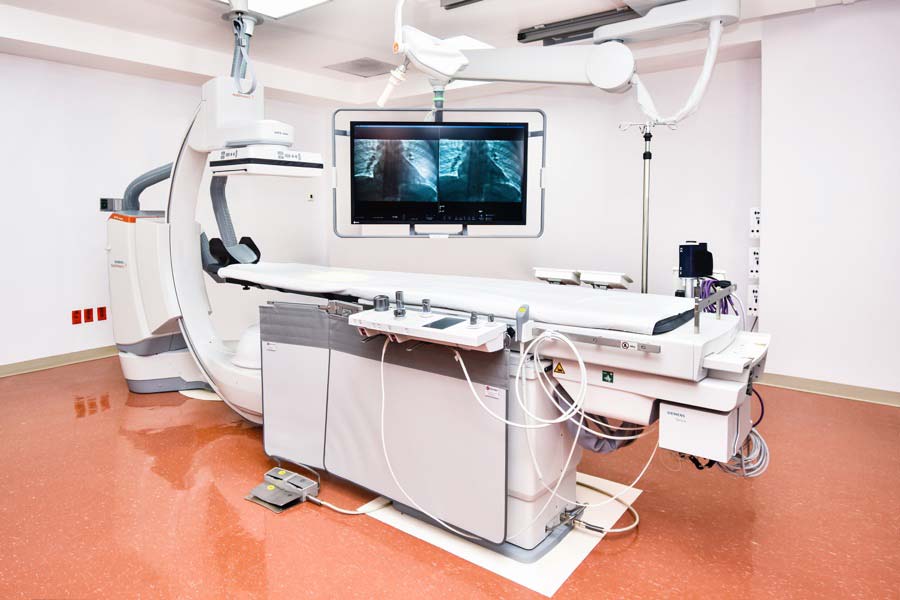
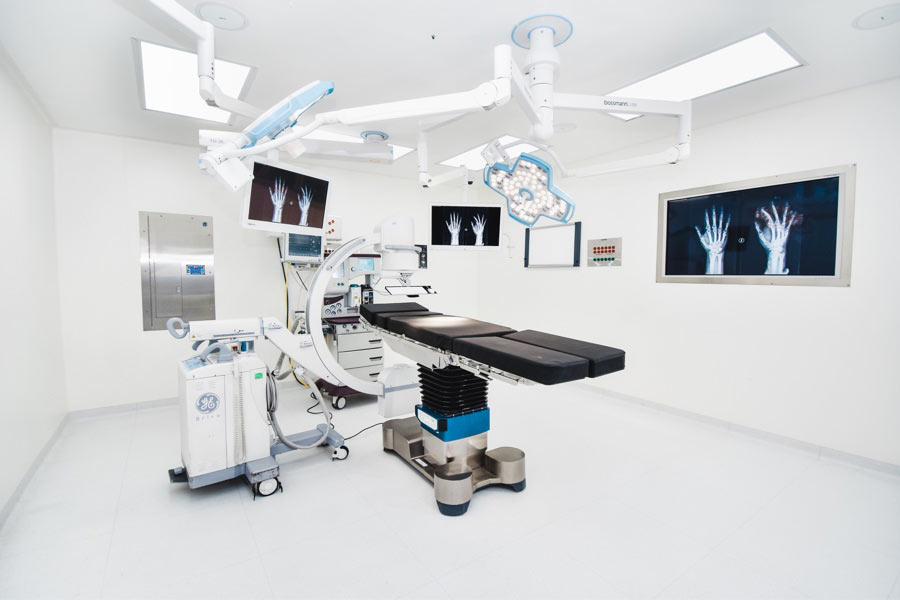
The accuracy of these studies is made possible by the hospital’s digital imaging equipment, which is capable of generating detailed results in less time. This not only facilitates early diagnosis but also allows for non-invasive monitoring of treatment progress. In addition, the environment in which the tests are performed has been designed to provide comfort and peace of mind to the patient, reducing stress during these types of procedures.

Each study is supervised by board-certified radiologists, who ensure the proper execution of the procedure and the accurate interpretation of the results. Collaboration between the imaging team and other medical departments is essential for establishing timely diagnoses and effective therapeutic solutions.

The service is available for both outpatients and inpatients. This facilitates access to diagnostic studies without the need for hospitalization. Results are delivered in digital formats accessible to both physicians and patients, streamlining follow-up through in-person or telemedicine consultations.

Frequently Asked Questions

Medical imaging is a medical specialty that uses various diagnostic imaging techniques, such as X-rays, CT scans, and MRI scans, to obtain images of the inside of the body and aid in the diagnosis of diseases.

Imaging allows for the non-invasive detection and diagnosis of diseases, meaning that surgery or invasive procedures are not required to obtain images of the body.

Imaging tests are recommended in various situations, such as for the early detection of diseases, monitoring treatment progress, evaluating injuries or trauma, and planning surgeries.

The duration of an imaging test can vary depending on the type of test and the part of the body being examined. In general, simpler tests, such as an X-ray, may take only a few minutes, while more complex tests, such as an MRI, can take anywhere from 30 minutes to an hour.

In some cases, specific preparations are necessary before an imaging test. For example, in the case of an MRI, it is important to tell your doctor if you have any metal implants in your body, as these can interfere with the test. In addition, in some cases, you may be required to fast before the test, especially if you are having a CT scan.

Hospitals that offer this service

An icon of a list inside a blue circle. Next to it is a white box with the word "contact"