Transplant Program

Transplant Program

The Transplant Program provides comprehensive care to meet all the needs of patients awaiting organ transplants. Recognized both nationally and internationally, we are distinguished by our state-of-the-art technology and a highly specialized medical team.
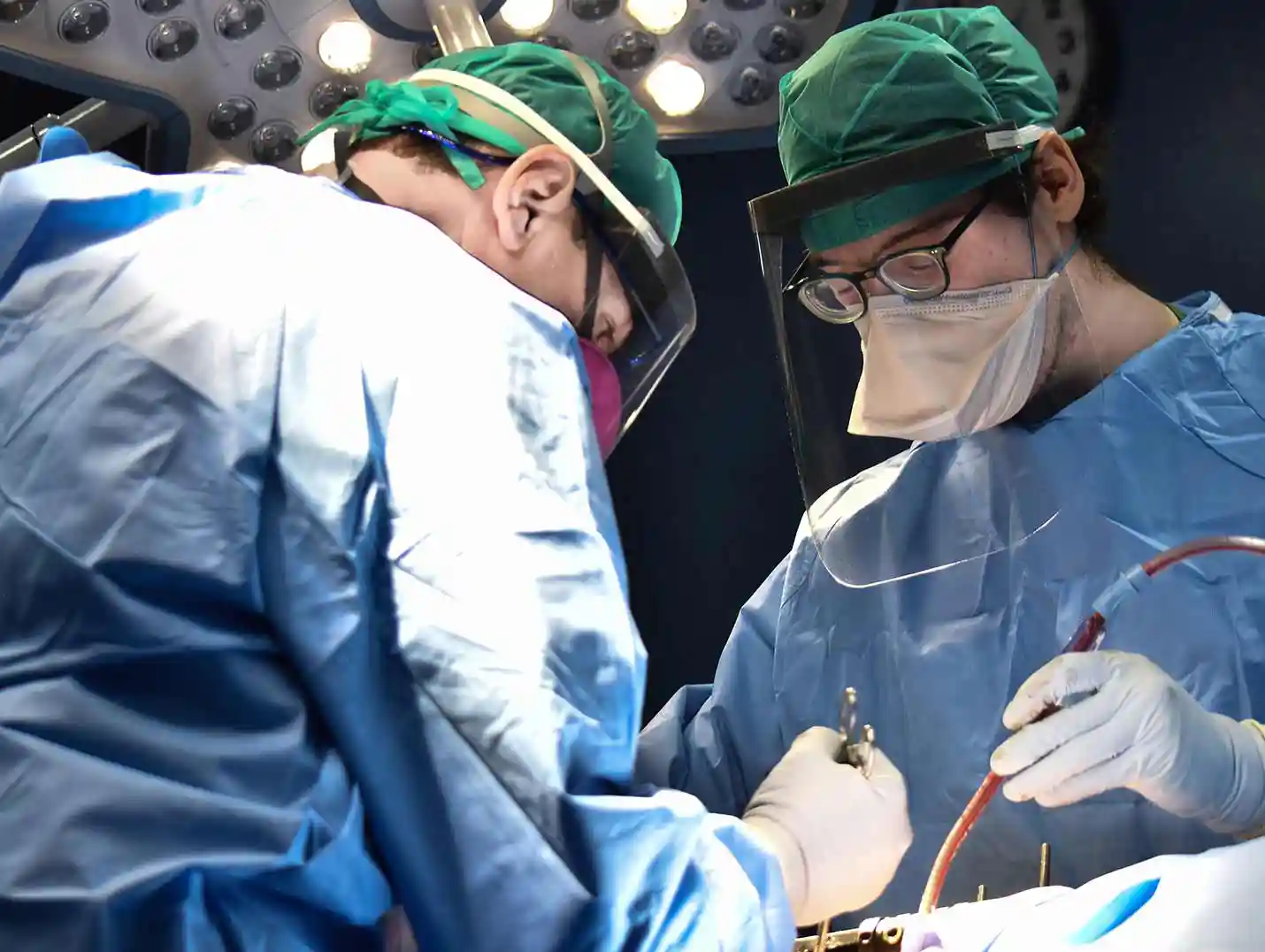


Surgeons in blue scrubs and white gloves inside an operating room during an organ donation procedure. Surgeons in blue scrubs and white gloves inside an operating room during an organ donation procedure.

Blue location pin icon on a white background. 59 Tlacotalpan Street, Roma , 06760 México City, CDMX

+52 55 5265 1800 Ext. 2216 and 2213

8:00 a.m. to 5:00 p.m.

The Transplant Program at Hospital Angeles Metropolitano each patient from the initial evaluation through long-term follow-up, using a comprehensive approach that combines science, logistics, and a compassionate, patient-centered approach. The scope of the service includes kidney, liver, heart, lung, pancreas, and bone marrow transplants, with defined selection criteria for both adult and pediatric patients. This breadth allows us to treat conditions ranging from advanced kidney failure to complex liver diseases, as well as cases requiring joint evaluation by multiple specialties.

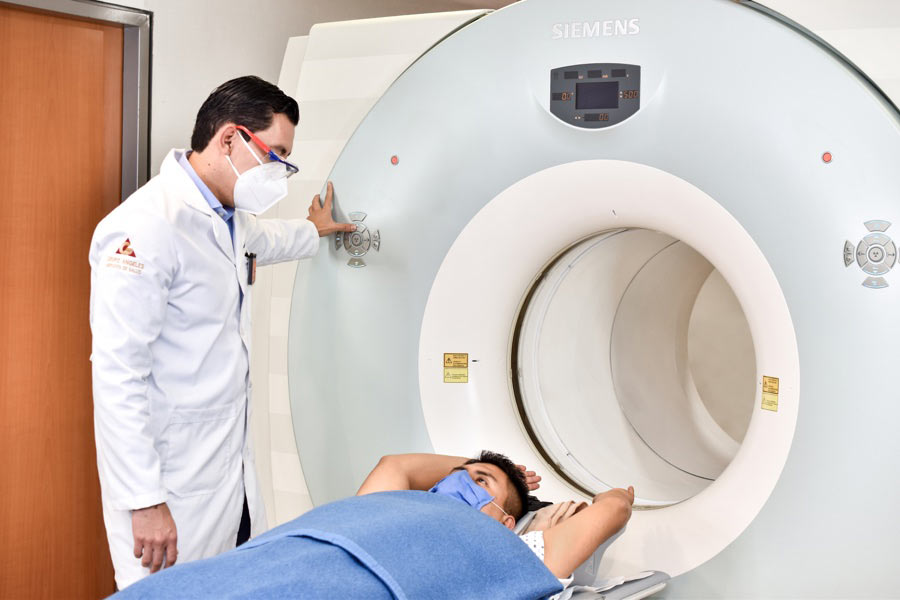
The process begins with a comprehensive clinical evaluation to confirm the need for transplantation, assess risks, and optimize the patient’s overall health prior to surgery. The preoperative process includes compatibility testing, immunological evaluation, and a review of comorbidities to determine the appropriate immunosuppression regimen. Preoperative care, appropriate vaccinations, infection prevention measures, and warning signs requiring immediate consultation are clearly explained. In cases involving a living donor, a rigorous ethical and clinical assessment is conducted to ensure protection, informed consent, and realistic expectations for both parties.

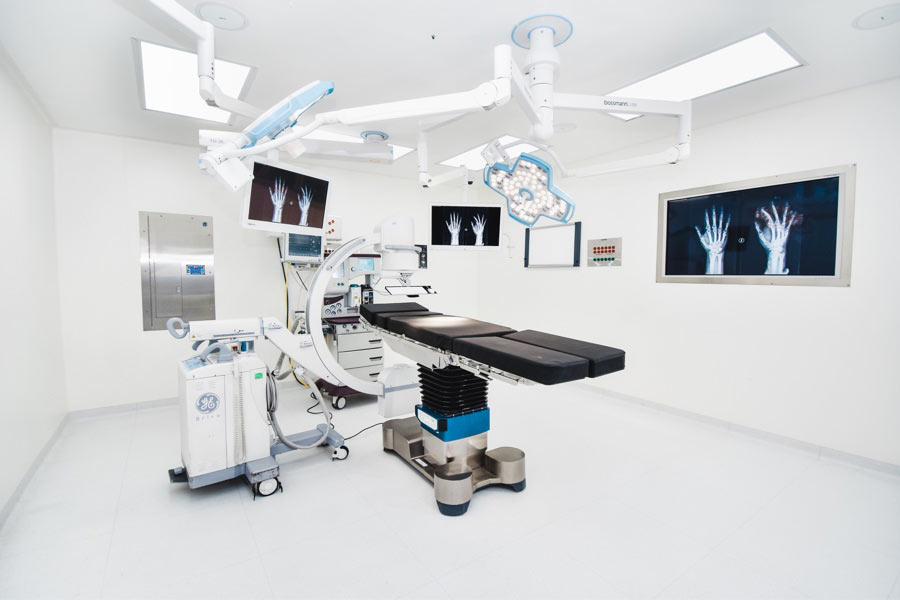
Subsequently, a multidisciplinary team designs an individualized plan that addresses perioperative safety and a gradual return to daily activities. During surgery, the program employs up-to-date techniques and well-equipped operating rooms to facilitate efficient procedures, bleeding control, and a more predictable recovery. In the early postoperative period, pain management, hemodynamic monitoring, and fine-tuning of medications are priorities to protect the graft and reduce complications.

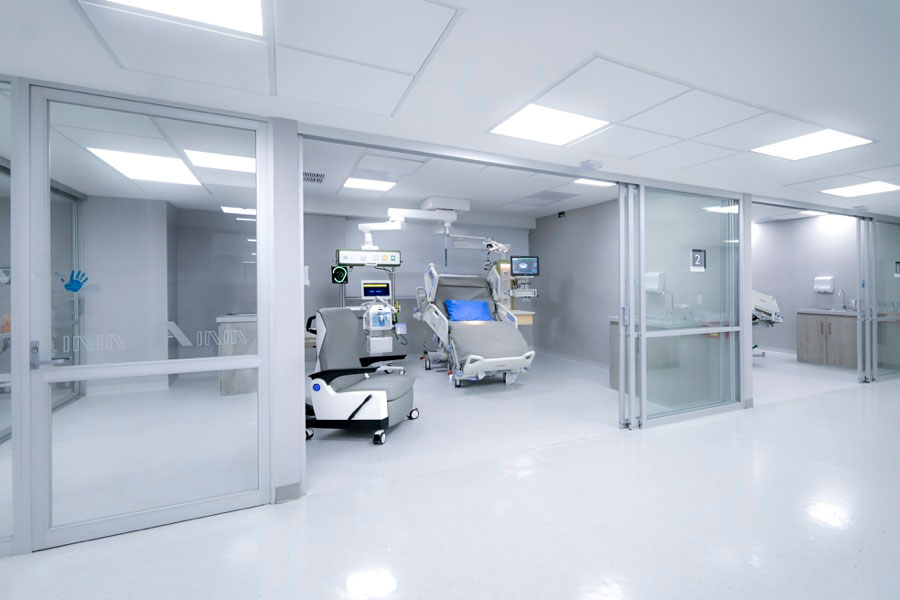
Coordination with the blood bank, intensive care, imaging, and rehabilitation speeds up decision-making and provides a safe environment at every stage of the process. Long-term follow-up is a key component of the outcome.

The team addresses questions, reinforces healthy habits, and tailors recommendations to each stage of life after transplantation. The goal does not end with surgical discharge: a new phase begins in which treatment adherence and constant monitoring make the difference between complications and stability. The emotional well-being of the patient and their family is also prioritized, because a process of this magnitude requires support, timely information, and achievable goals.

Frequently Asked Questions

The transplant program is a medical service that performs organ and tissue transplants for patients in need.

The transplant program performs various types of transplants, including kidney, liver, heart, lung, pancreas, and bone marrow transplants.

To be eligible for a transplant through the program, you must meet certain medical criteria and undergo a thorough evaluation by the specialized medical team.

The duration of the transplant process in the program may vary depending on the type of transplant and each patient’s individual circumstances. In general, it can take several months from the initial evaluation to the transplant surgery.

The success rate of transplants performed in the program is high, thanks to a highly trained medical team and state-of-the-art technology. However, the success of a transplant also depends on factors specific to each patient.

Hospitals that offer this service

An icon of a list inside a blue circle. Next to it is a white box with the word "contact"