The Endoscopy Department specializes in the diagnosis and treatment of digestive disorders, using state-of-the-art technology to perform precise procedures. This department offers a wide range of endoscopic procedures, including gastroscopy, colonoscopy, sigmoidoscopy, and enteroscopy, among others, allowing for direct visualization of the gastrointestinal tract and the performance of biopsies, polyp removals, lesion coagulation, and other treatments.
 2143 Kepler Ave., Atlixcáyotl Land Reserve, 72190 Puebla, Pue.
 +52 222 303 6600
Ext. 3201
+52 222 303 6600
Ext. 3201
 Monday–Friday: 7:00 a.m.–7:00 p.m. Saturday: 8:00 a.m.–12:30 p.m.
The Endoscopy Department at Hospital Angeles Puebla a reliable and safe option for the diagnosis and treatment of various gastrointestinal diseases. Our team of highly trained specialists uses state-of-the-art technology to perform endoscopic procedures accurately and efficiently.
Endoscopy is a medical procedure that allows for the visualization of the inside of the digestive tract using an endoscope (a thin, flexible tube with a camera at the tip). This procedure is used to diagnose and treat conditions such as ulcers, polyps, tumors, inflammation, and bleeding in the esophagus, stomach, small intestine, and colon.
At Hospital Angeles Puebla focus on providing high-quality endoscopy services with personalized care and reliable results. Our medical team is committed to the well-being of our patients, ensuring they feel comfortable and safe throughout the entire procedure.
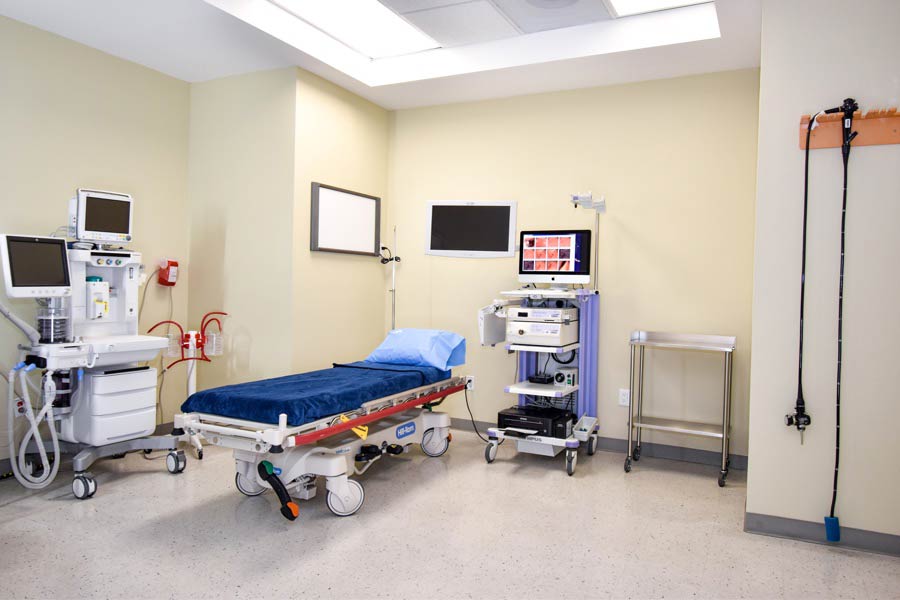
We have modern facilities equipped with the latest endoscopy technology, allowing us to obtain accurate images for a precise diagnosis. Our goal is to provide an excellent endoscopy service, with reliable results and a comprehensive approach to your gastrointestinal health.
If you need to undergo an endoscopy procedure, trust Hospital Angeles Puebla. Our team of specialists is ready to provide you with the best possible care.
An endoscopy is a medical procedure that uses an instrument called an endoscope to examine the inside of organs and body cavities, such as the esophagus, stomach, small intestine, and colon.
Endoscopy is used to diagnose and treat various diseases and conditions, such as ulcers, tumors, inflammation, bleeding, blockages, and narrowing of the digestive tract. It is also used to perform biopsies and remove polyps.
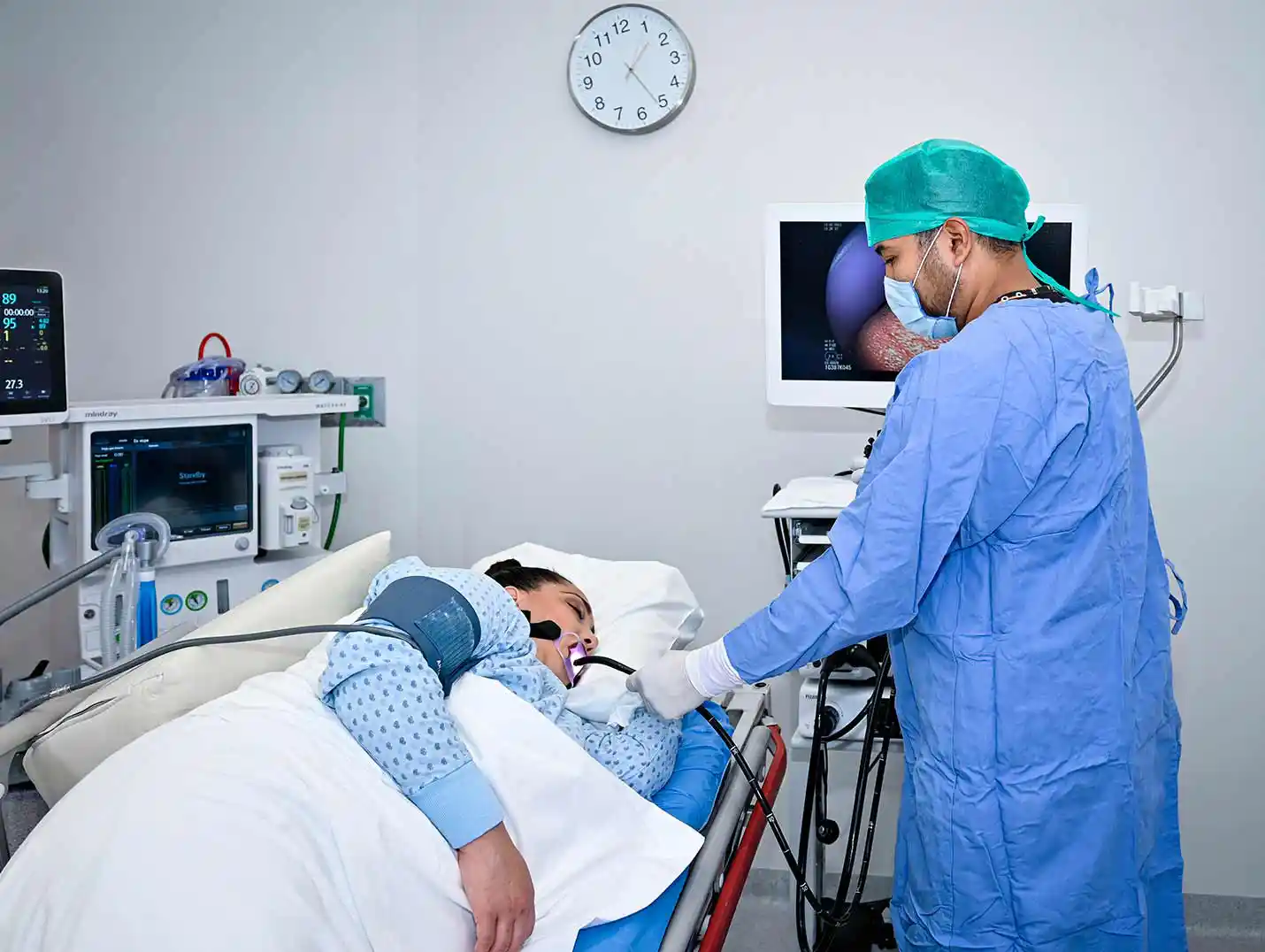
During an endoscopy, the endoscope is inserted through the mouth or anus and guided to the area to be examined. The endoscope has a camera at its tip that allows the doctor to view the inside of the body on a monitor. In some cases, therapeutic procedures can be performed during the endoscopy.
An endoscopy is usually performed under sedation or local anesthesia to minimize any discomfort or pain. However, you may feel some mild discomfort or pressure during the procedure.
Although endoscopy is a safe procedure, there are some associated risks, such as bleeding, infection, organ perforation, and adverse reactions to sedation. However, these risks are rare and can usually be managed by the medical team.