Nephrology focuses on the study of kidney structure and function, including the urinary tract. It diagnoses and treats kidney diseases through the use of medications and various renal replacement therapies, such as hemodialysis, dialysis, and transplantation.

Nephrology is a medical specialty focused on the study, diagnosis, and treatment of kidney diseases. Its primary goal is to maintain kidney health and prevent or treat diseases that affect this vital organ.
You should see a nephrologist if you experience symptoms such as lower back pain, changes in the amount or color of your urine, high blood pressure, swelling in your limbs, or if you have a family history of kidney disease.
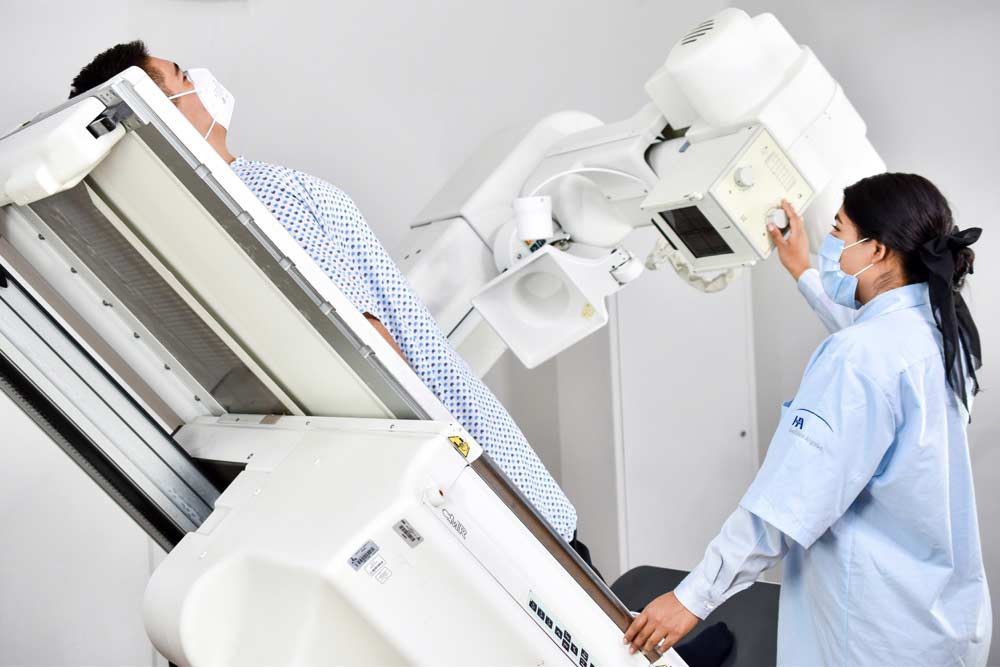
During a nephrology appointment, the doctor may order tests such as blood and urine tests, ultrasounds, or imaging studies like CT scans or MRIs. These tests help assess kidney function, detect potential diseases, and determine the appropriate treatment.
Some of the most common conditions treated by a nephrologist include kidney failure, chronic kidney disease, high blood pressure, kidney stones, recurrent urinary tract infections, and autoimmune diseases that affect the kidneys, such as glomerulonephritis.
Treatment for kidney disease can vary depending on the specific condition and its severity. It may include dietary changes, medications to control blood pressure or treat infections, dialysis, or a kidney transplant in more advanced cases.

 Querétaro Street, Roma ., 06700 México City, CDMX
  +52 55 5265 3000
  9:00 a.m. to 7:00 p.m.