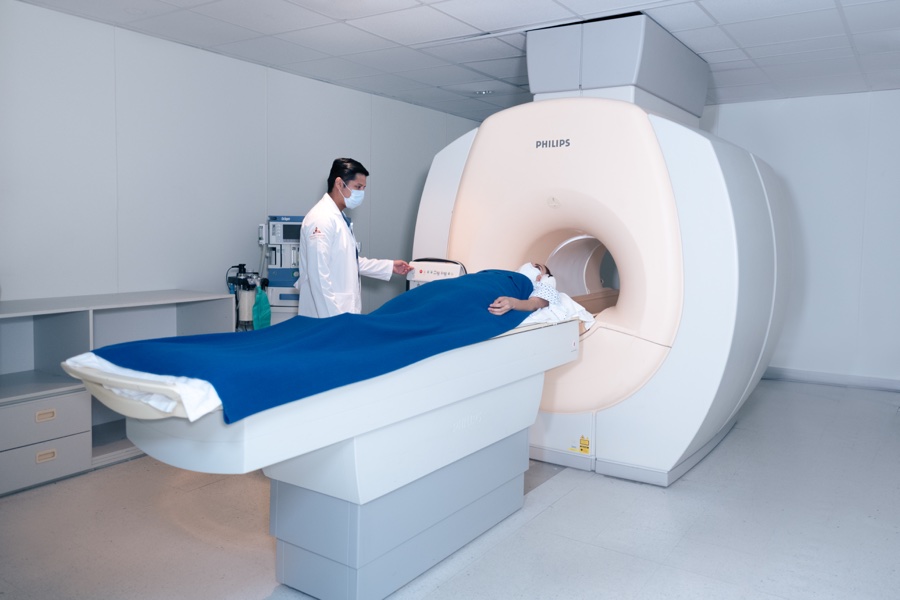
Transfusion medicine involves medical procedures that comply with current regulations for obtaining, collecting, and administering blood components. This process is essential for helping patients who require blood products to recover their health.
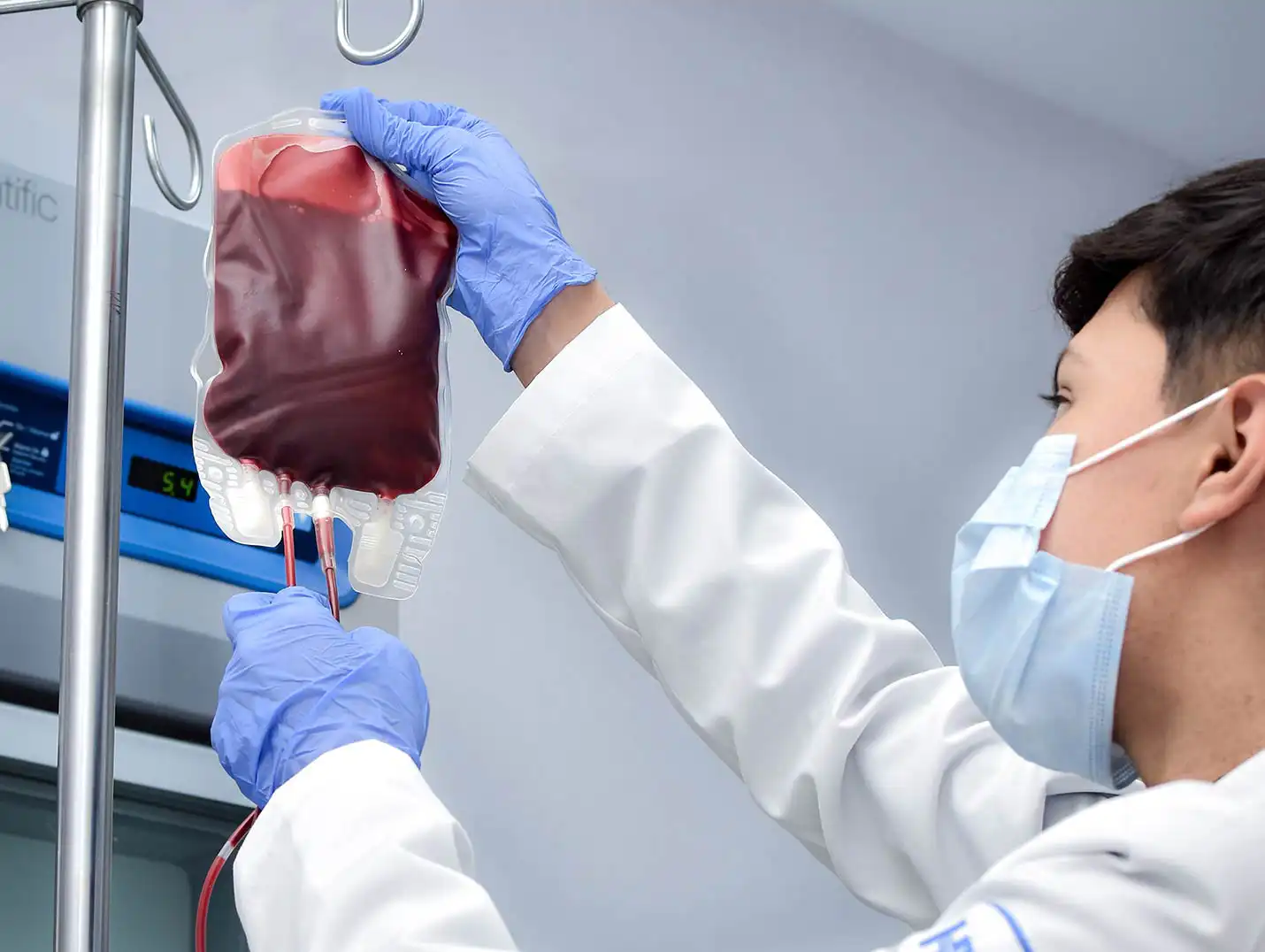
Transfusion medicine is a medical specialty focused on the study and administration of blood transfusions and blood components to treat various diseases and medical conditions.
A blood transfusion is required when a person has low levels of hemoglobin, red blood cells, or platelets—whether due to illness, surgery, or an accident—and these blood components need to be replenished.
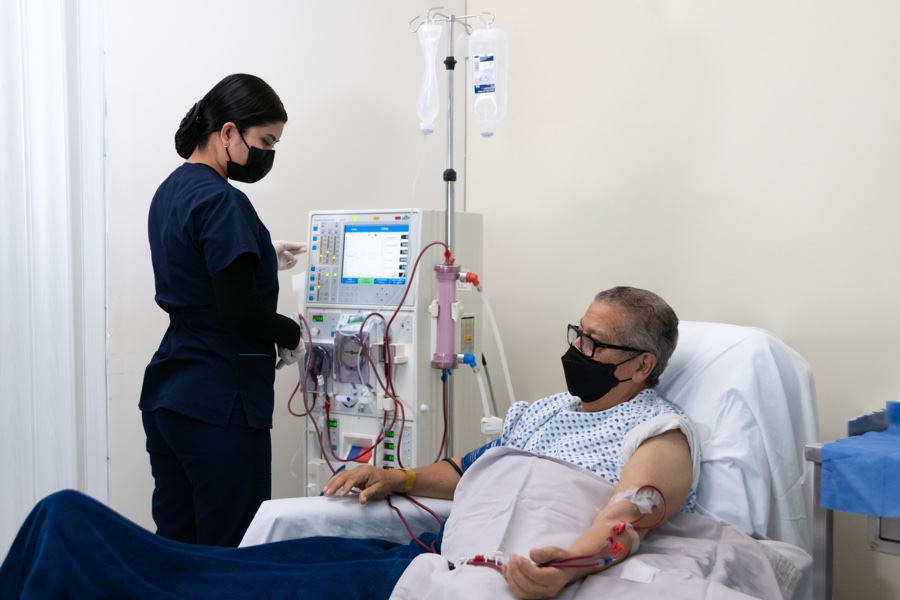
A blood transfusion involves administering blood or blood components through an intravenous line. Before the transfusion, compatibility tests are performed to ensure that the donor's blood is compatible with the recipient's.
Although blood transfusions are generally safe, there are some associated risks, such as allergic reactions, bloodborne infections, or compatibility issues. However, these risks are minimal, and all necessary precautions are taken to ensure patient safety.
You can donate blood at authorized blood banks, hospitals, or health centers that have blood donation programs. It is important to meet the established requirements, such as being in good health, maintaining a healthy weight, and not having engaged in any risky behaviors that could affect the quality of the donated blood.

 5503 Miguel Hidalgo Ave., Choferes, 89330 Tampico, Tamaulipas
  +52 833 115 0200