Neurology provides medical and surgical care to patients suffering from various diseases of the nervous system, such as strokes, brain hemorrhages, tumors, meningitis, encephalitis, headaches, and dementia, among other conditions.

Neurology is a medical specialty focused on the study and treatment of diseases of the nervous system. Its goal is to diagnose and treat neurological disorders to improve patients' quality of life.
The Department of Neurology offers a wide range of services, including the evaluation and treatment of conditions such as migraine, epilepsy, Parkinson’s disease, and multiple sclerosis, among others. It also performs neurophysiological tests and provides comprehensive care to patients with neurological disorders.
You should see a neurologist if you experience symptoms such as recurring headaches, frequent dizziness, muscle weakness, balance problems, seizures, memory problems, or behavioral changes. It is also advisable to see a neurologist if you have a family history of neurological disorders.
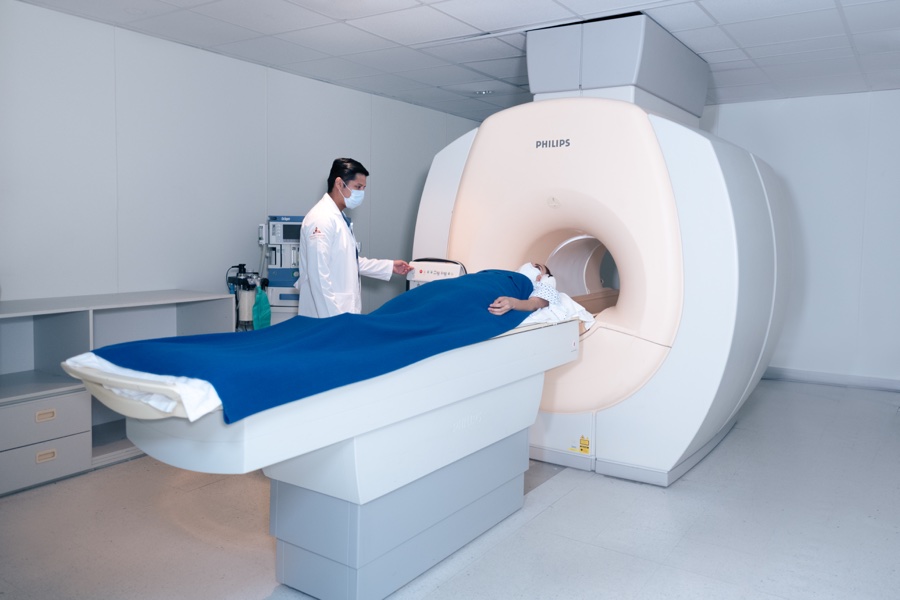
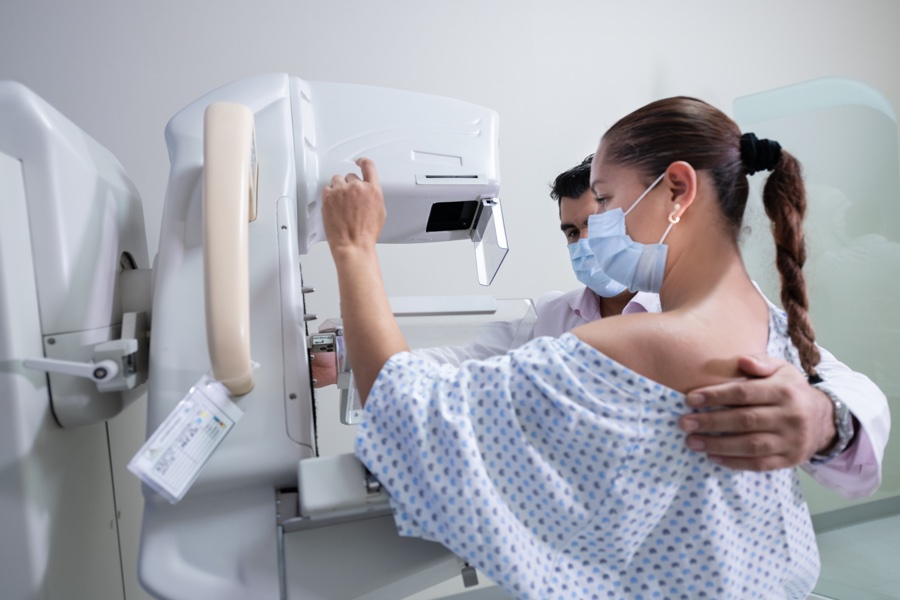
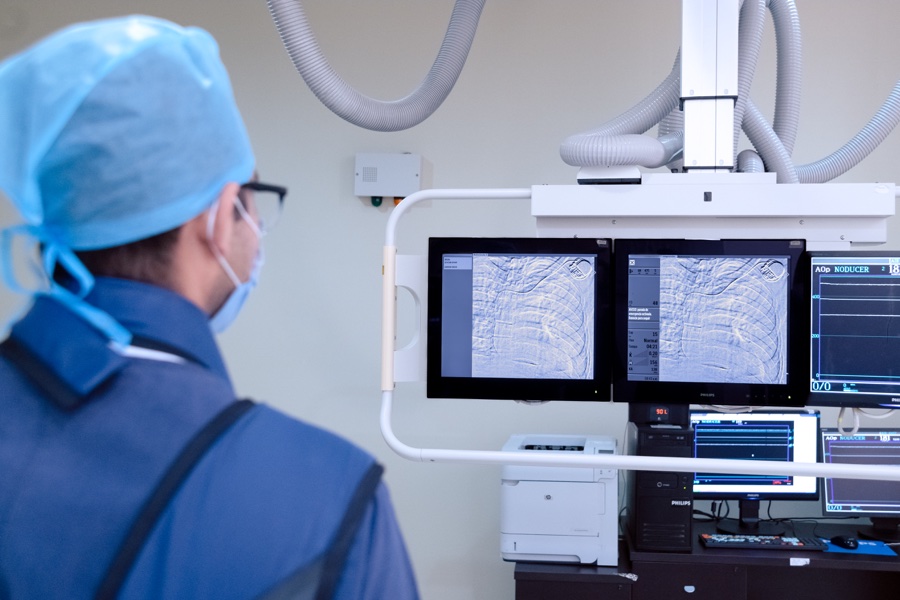
A neurological condition is diagnosed through a clinical evaluation of the patient, which involves reviewing their medical history and performing specific neurological tests. In some cases, imaging studies such as MRIs or CT scans may be necessary.
Treatment for neurological disorders varies depending on the type and severity of the condition. It may include medication to manage symptoms, physical and occupational therapy, surgery in specific cases, and lifestyle changes. The neurologist will determine the best treatment plan for each patient.

 5503 Miguel Hidalgo Ave., Choferes, 89330 Tampico, Tamaulipas
  +52 833 115 0200