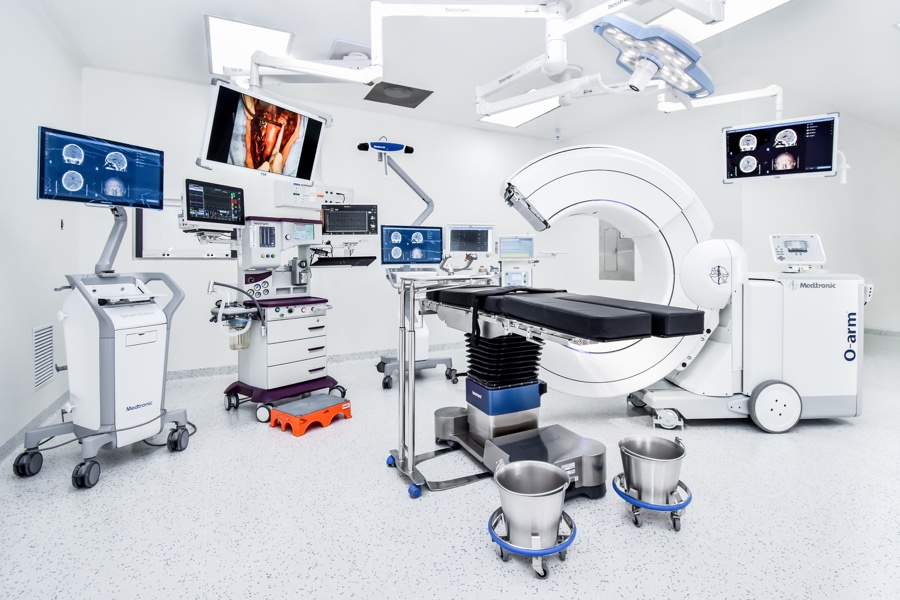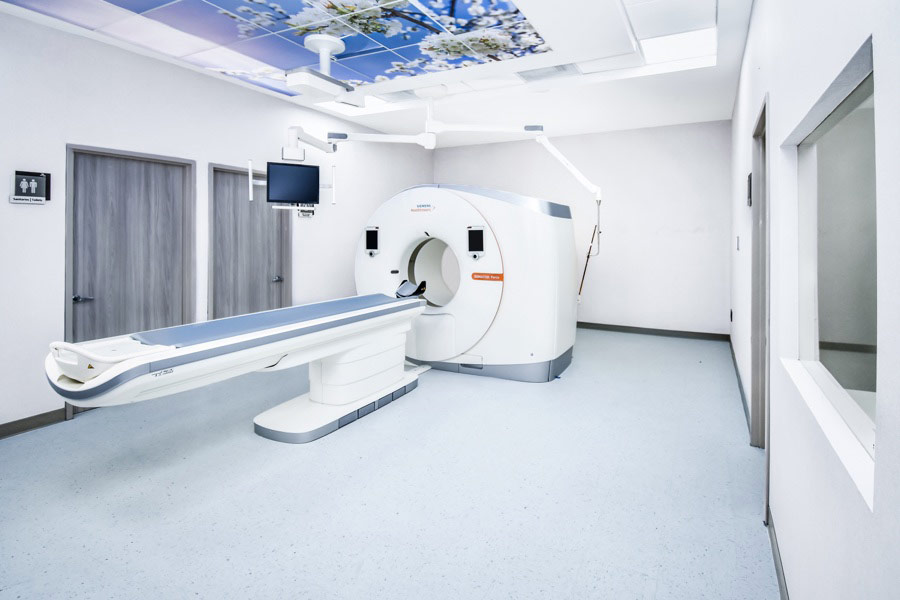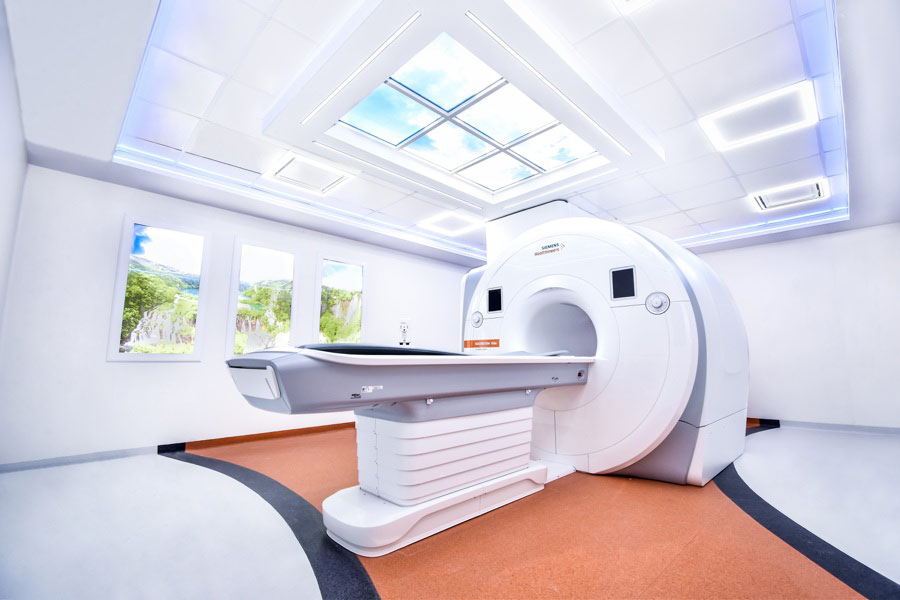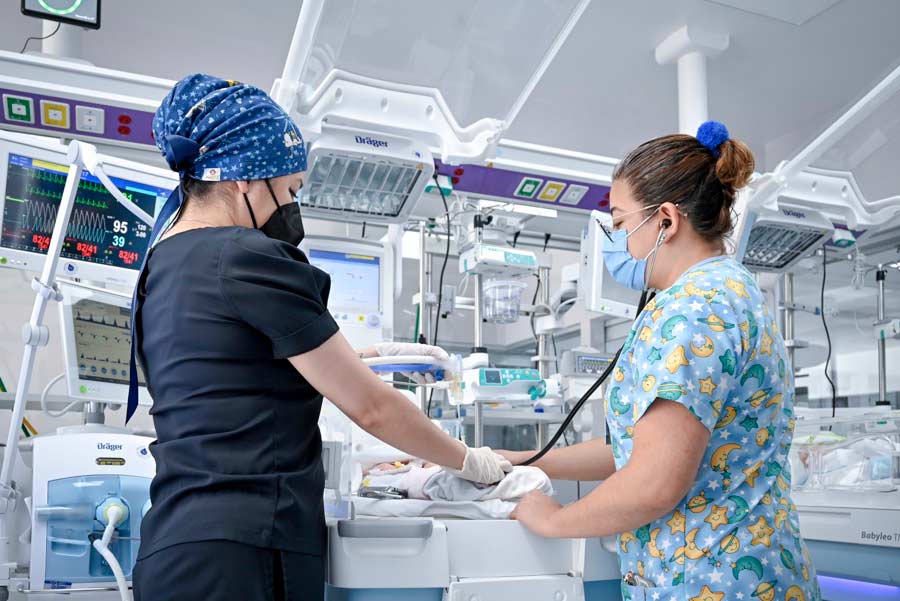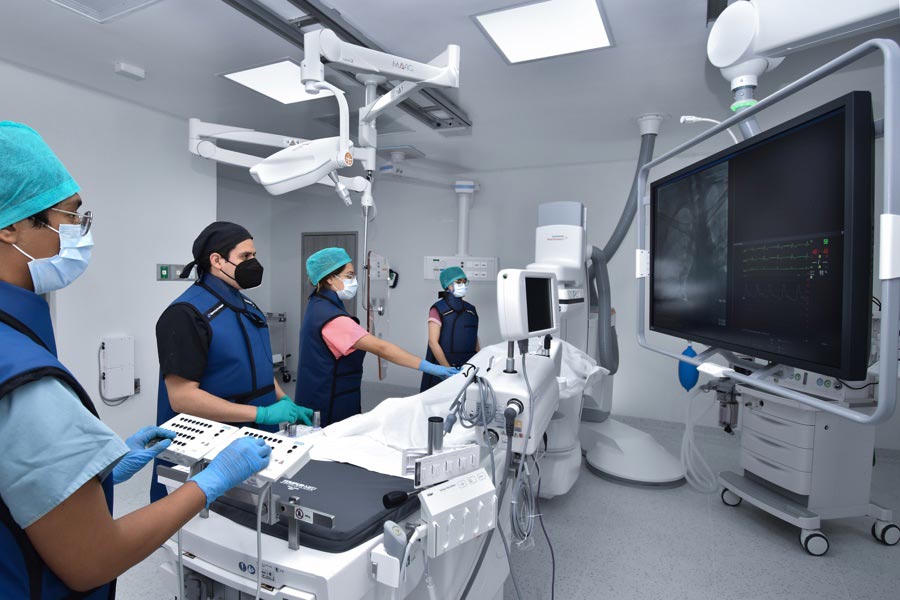
The Radiology and Imaging department is dedicated to acquiring and analyzing images for the diagnosis of diseases and to guide medical procedures. It utilizes advanced technologies such as X-rays, CT scans, MRIs, and ultrasounds. Professionals in this field not only identify medical conditions but also play an essential role in supporting surgeons and other specialists during surgical or therapeutic procedures.
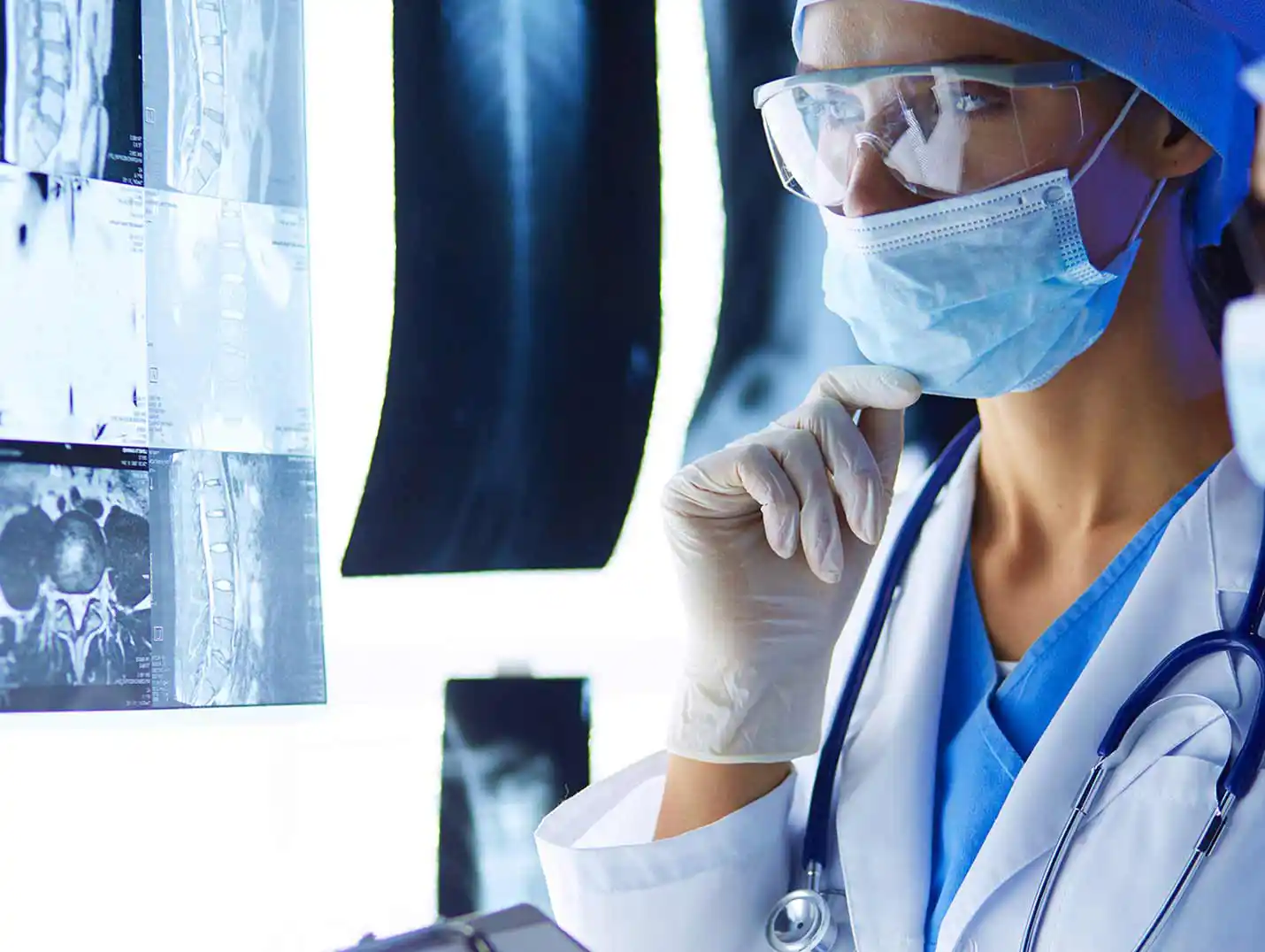
Radiology and Imaging is a medical specialty that uses diagnostic imaging techniques to visualize the inside of the human body and detect diseases or injuries.
The most common imaging techniques are X-rays, computed tomography (CT), magnetic resonance imaging (MRI), ultrasound, and mammography.
Radiology and medical imaging play a crucial role in medical diagnosis, as they provide detailed images of the body’s internal organs and tissues, facilitating the early detection of diseases and the planning of appropriate treatments.
Yes, radiology and imaging tests are safe and non-invasive. However, it is important to tell your doctor if you are pregnant or have any allergies or medical conditions that could interfere with the test.
Yes, a doctor's order is generally required to undergo radiology and imaging tests. The doctor will order the test based on the patient's symptoms or suspected condition.

 Universidad Ave., Xoco, Benito Juárez, 03339 México City, CDMX
  +52 55 7256 9800
  24 hours