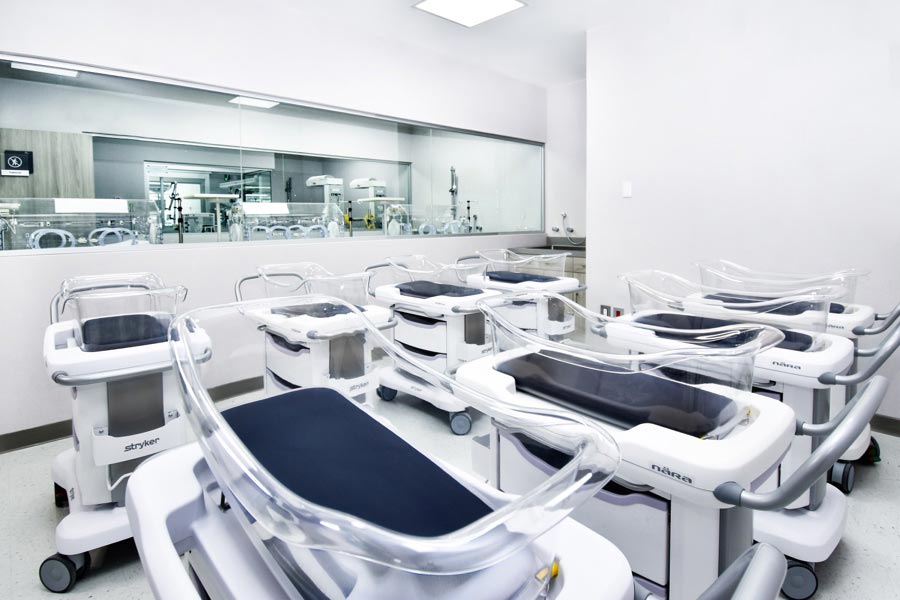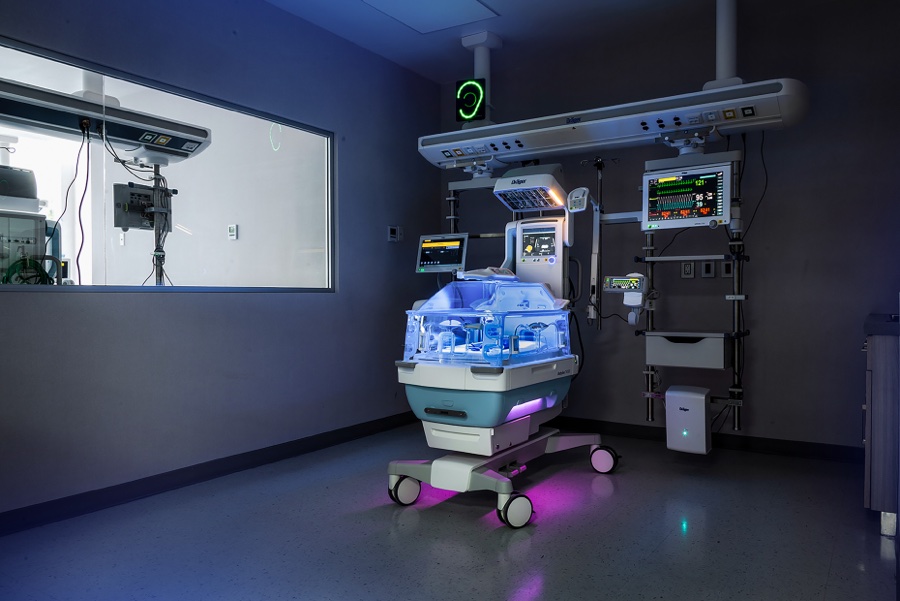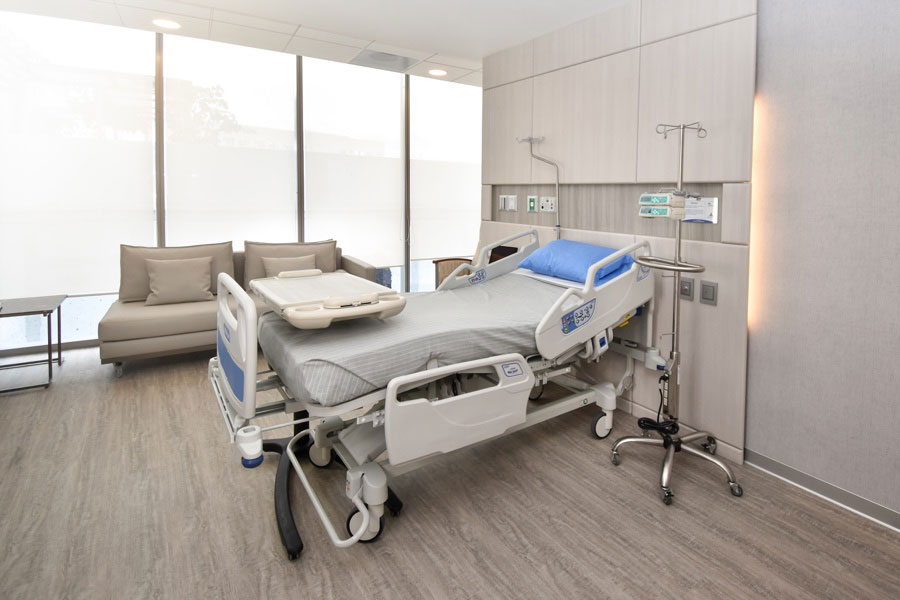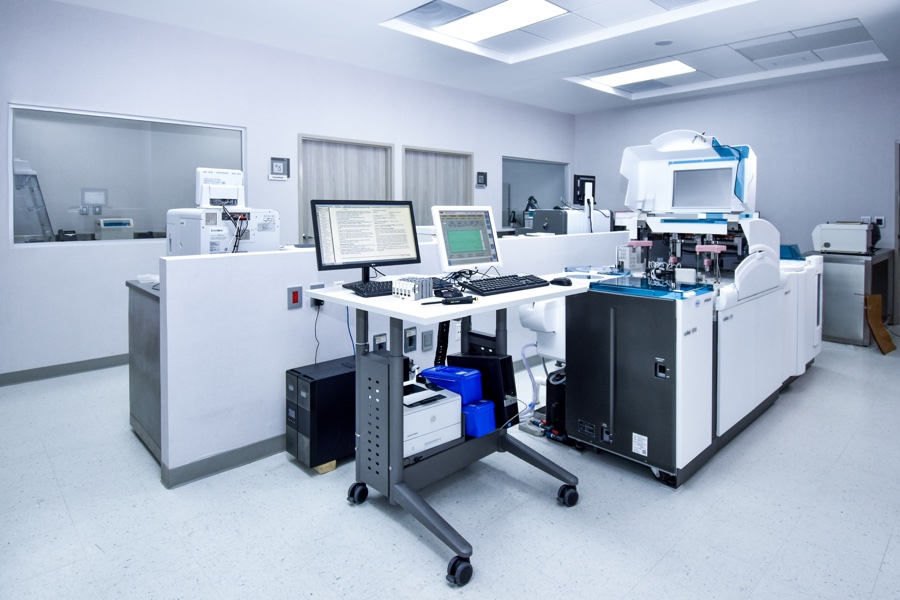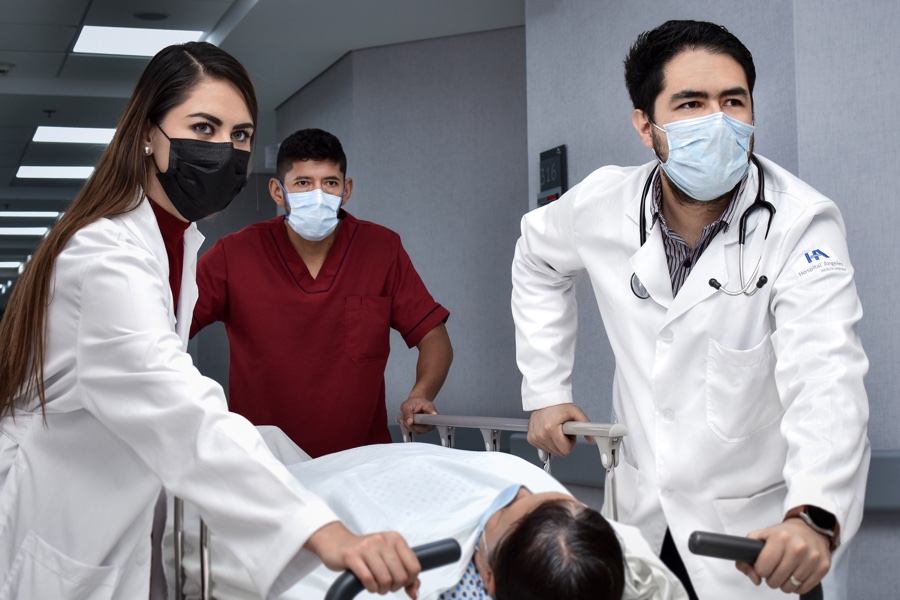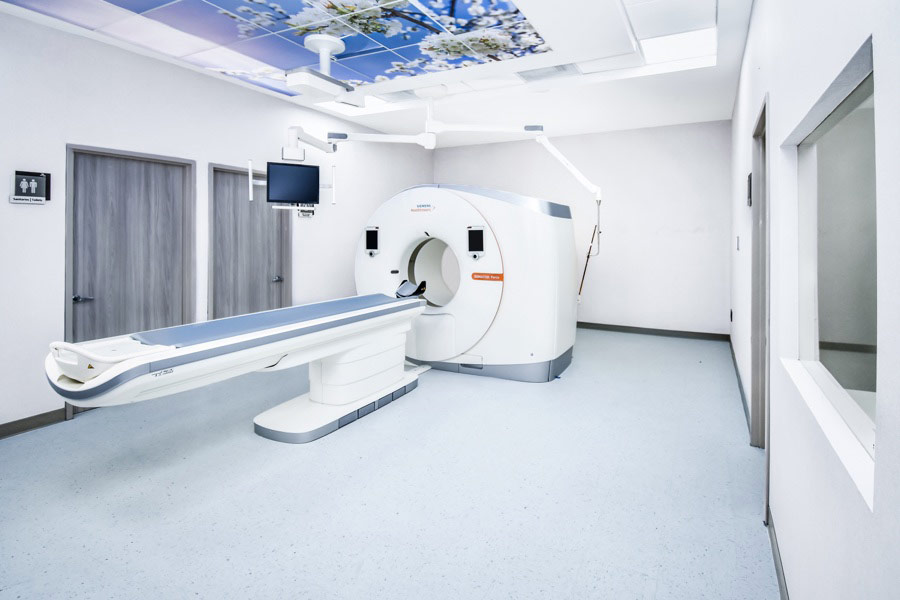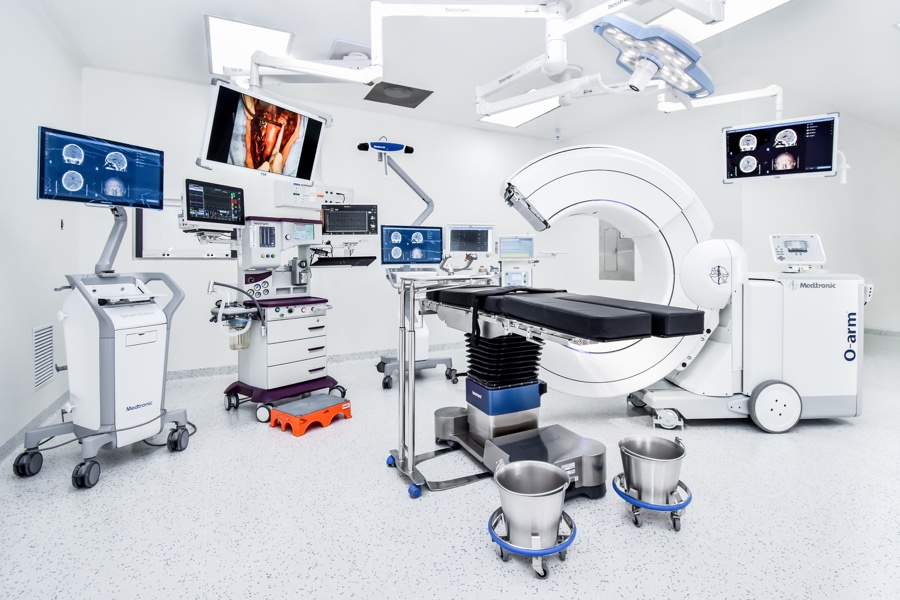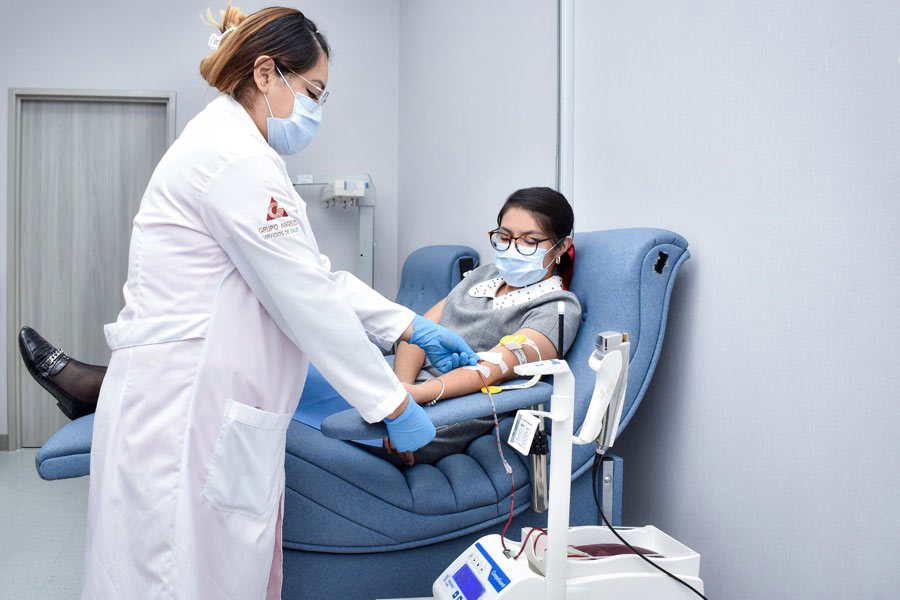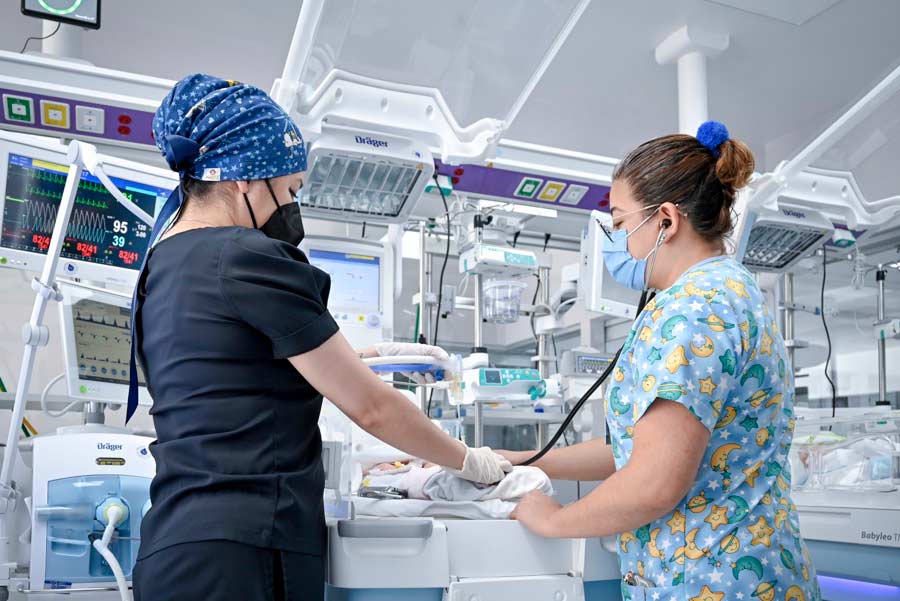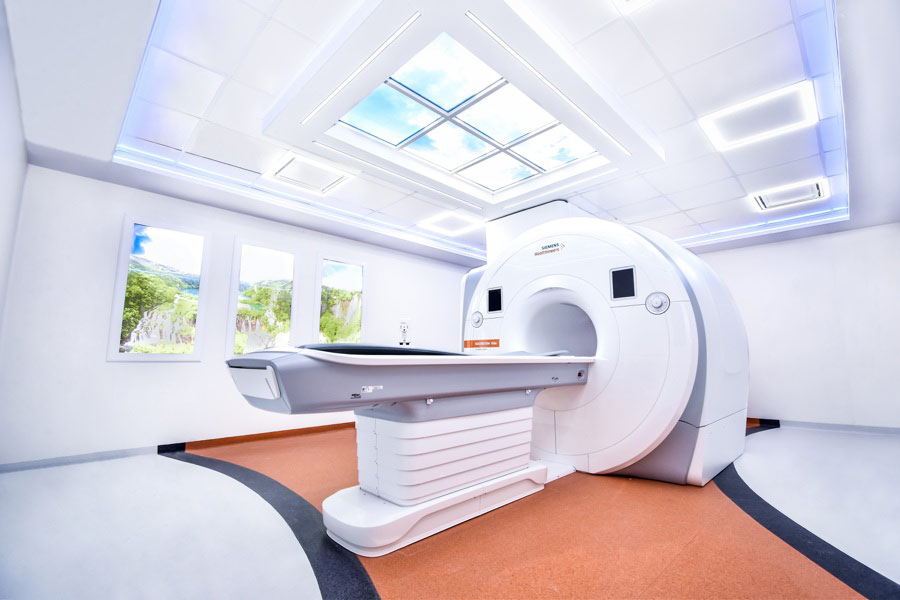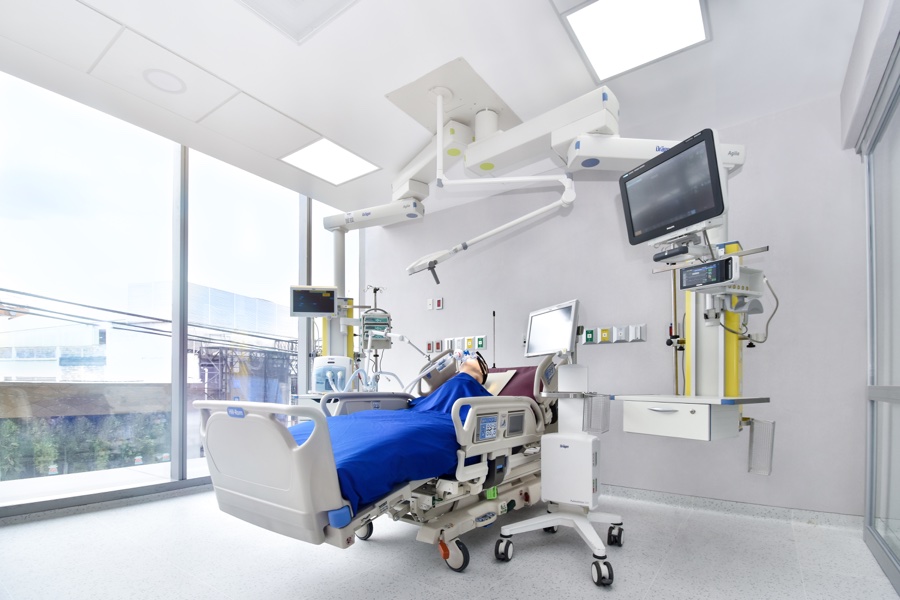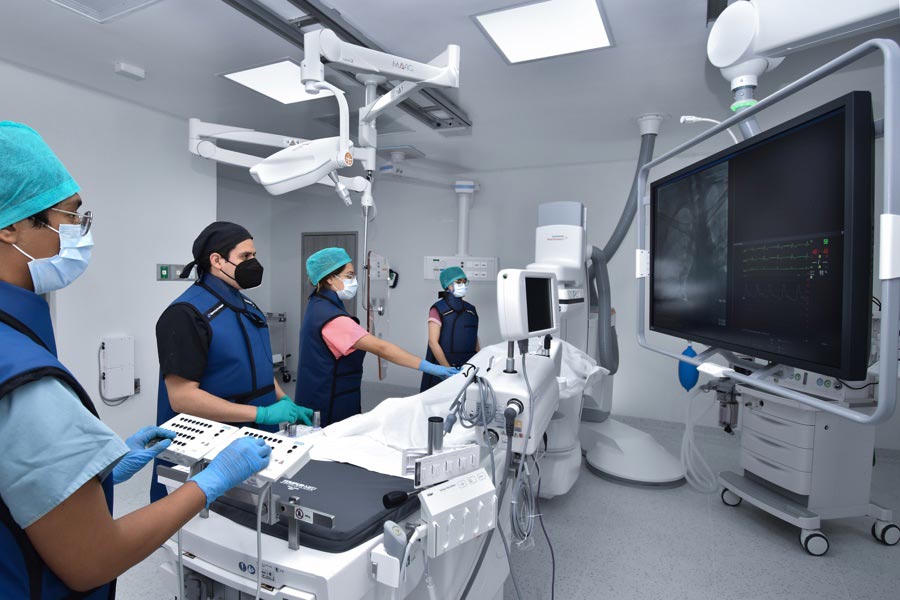
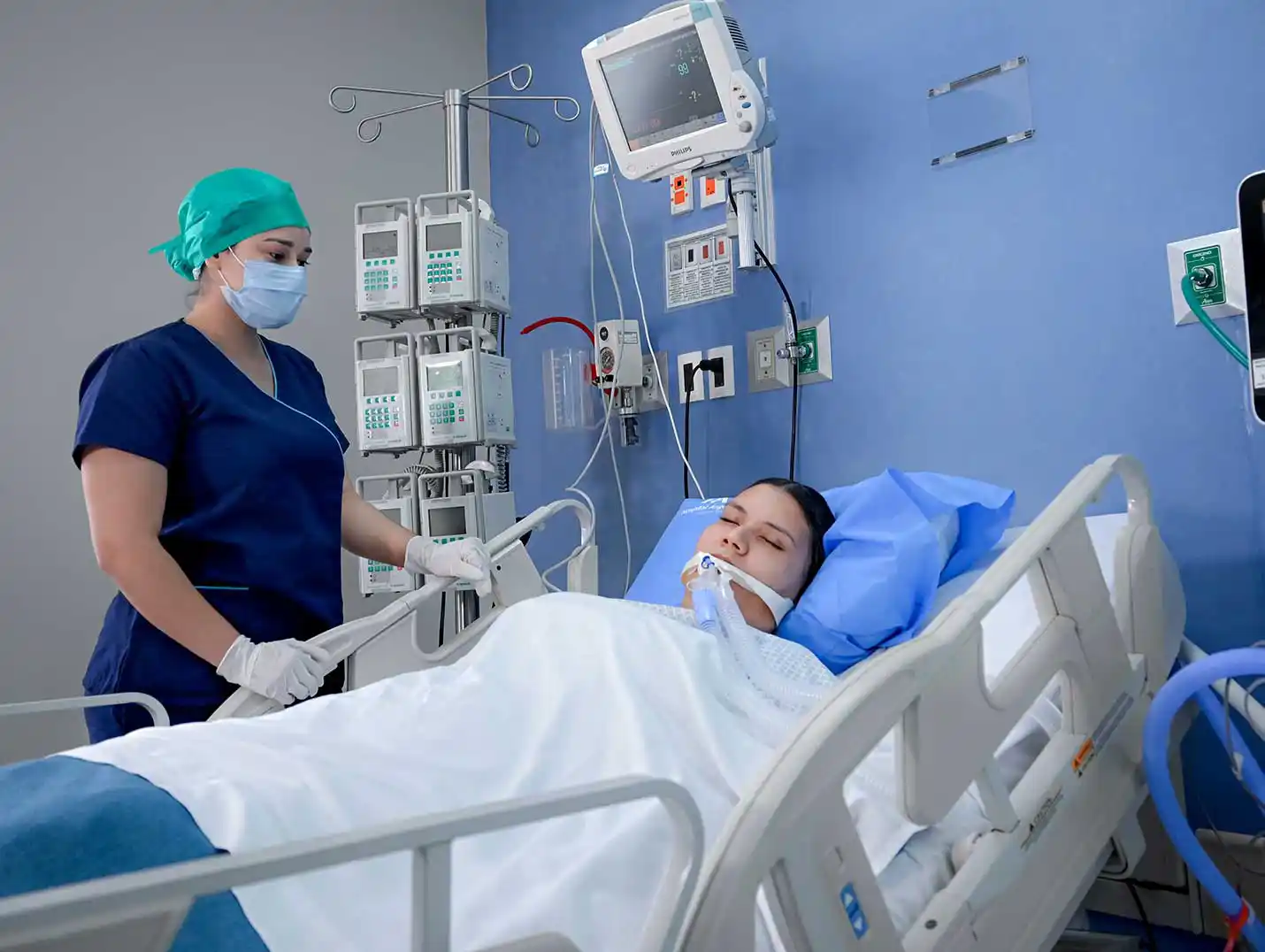
This is a highly specialized medical setting that combines state-of-the-art technology with a skilled medical team to provide care for patients in critical condition. This unit is equipped with advanced medical devices, continuous monitoring, and specialized resources to manage medical emergencies and critical situations. We offer expert management of the most complex medical conditions to ensure patient recovery.
 Universidad Ave., Xoco, Benito Juárez, 03339 México City, CDMX
 +52 55 7256 9800
Ext. 5146
+52 55 7256 9800
Ext. 5146
 24-hour service; specific inquiries from 8:00 a.m. to 6:00 p.m.
Intensive Care is a medical specialty that provides intensive care and treatment to patients with serious illnesses or injuries.
The Intensive Care Unit is a specialized area of the hospital that provides intensive medical care to critically ill or injured patients.
The primary goal of the Intensive Care Unit is to stabilize and improve the condition of critically ill patients by providing life support and constant monitoring.
The criteria for admission to the Intensive Care Unit vary depending on the severity of the patient's illness or injury. Generally, the need for constant monitoring and treatment is taken into account.
Patients with serious illnesses or injuries that require specialized care and attention 24 hours a day may be admitted to the Intensive Care Unit.
The Intensive Care Unit uses a variety of equipment and advanced technology, such as cardiac monitors, mechanical ventilators, infusion pumps, and life-support equipment.
The length of a patient's stay in the intensive care unit can vary depending on the severity of their illness or injury. Some patients may require only a few days of intensive care, while others may need weeks or even months.
The length of a patient's stay in the Intensive Care Unit depends on the severity of their illness or injury. It can range from a few days to weeks or even months.
The Intensive Care Unit uses a variety of equipment and advanced technology, such as mechanical ventilators, cardiac monitors, and infusion pumps, among other devices, to provide the necessary life support to critically ill patients.
Visits to patients in the Intensive Care Unit are typically restricted due to the critical nature of the care provided. However, limited and supervised visits are permitted in accordance with hospital policies.