Intermediate Therapy

Intermediate Therapy

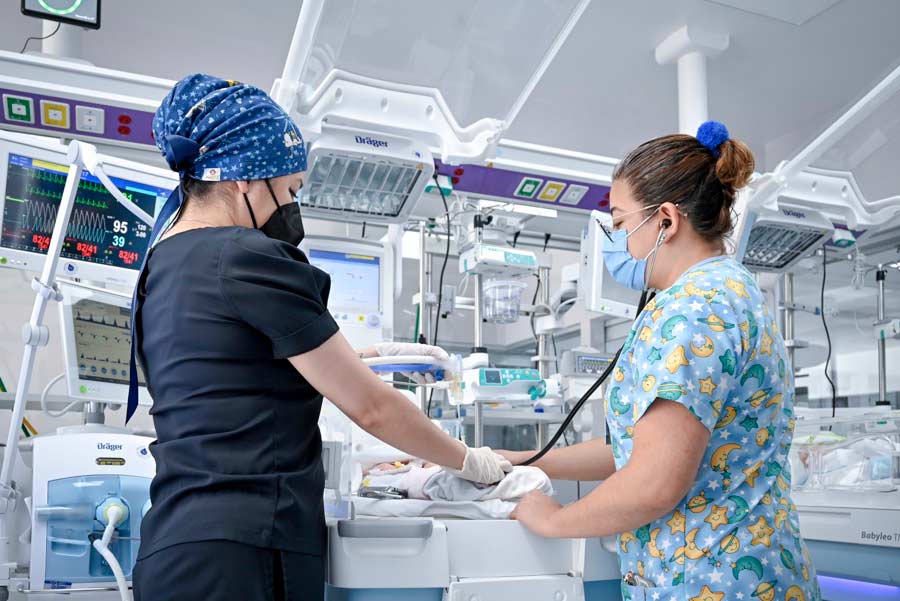
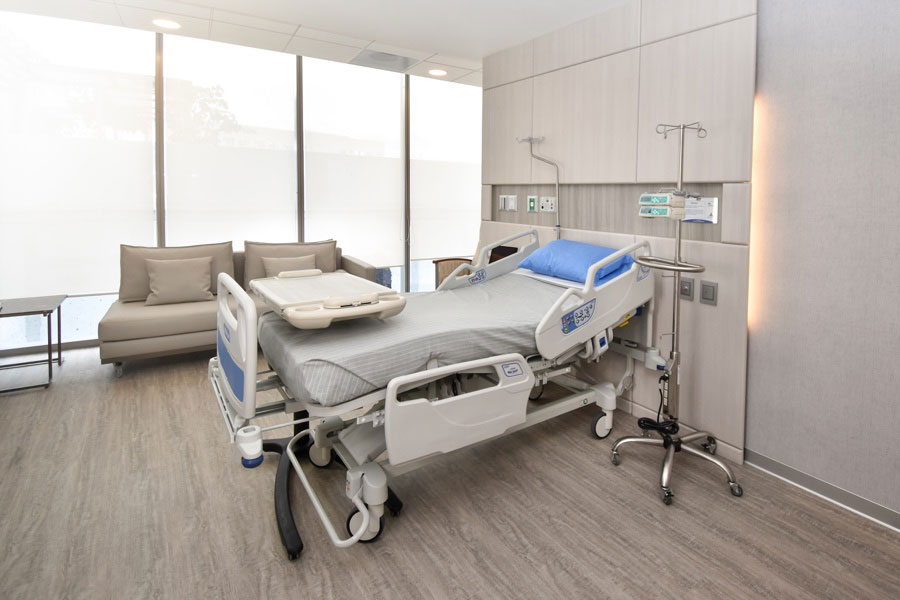
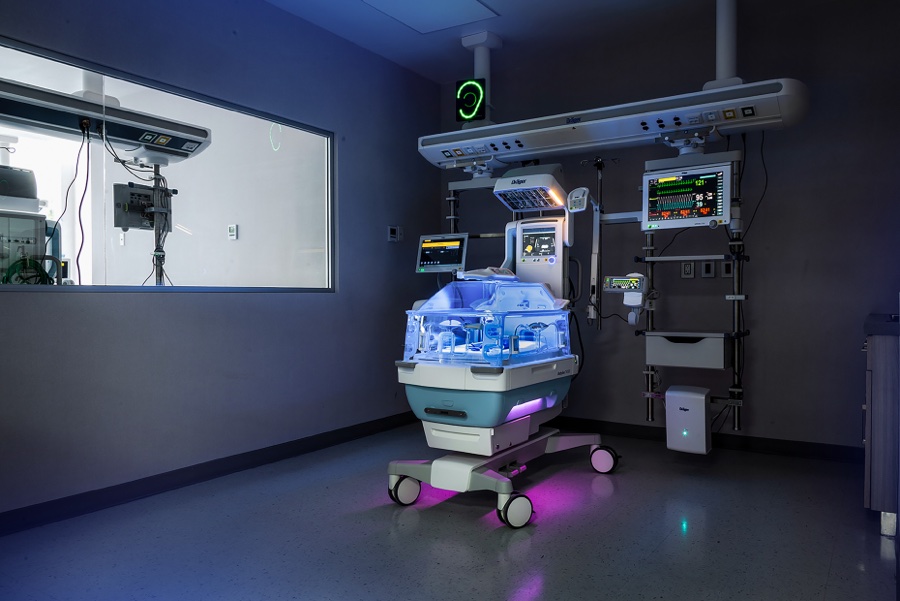
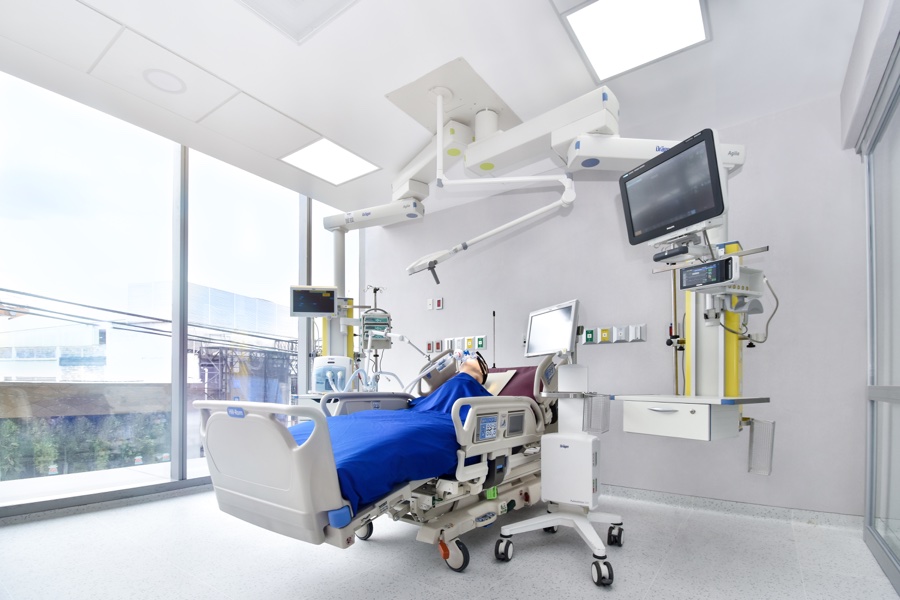
Our Intermediate Care Unit features state-of-the-art technology to closely monitor our patients' progress. This unit is designed to provide advanced care to patients who require an intermediate level of care. Our medical and nursing staff is dedicated to ensuring the stability and well-being of our patients at all times, from continuous monitoring of vital signs to the administration of treatments.



A doctor in a white coat taking the blood pressure of a patient lying in a hospital bed A doctor in a white coat taking the blood pressure of a patient lying in a hospital bed

Blue location pin icon on a white background. Universidad Ave., Xoco, Benito Juárez, 03339 México City, CDMX

+52 55 7256 9800 Ext. 5146

24-hour service; specific inquiries from 8:00 a.m. to 6:00 p.m.

The intermediate care unit provides a vital bridge between conventional hospitalization and critical care. At Hospital Angeles Universidad intermediate care unit,Universidad close clinical monitoring, timely interventions, and a safe transition for patients who require more monitoring than is provided on the general ward, without the advanced life support of an intensive care unit.

Team coordination is a cornerstone of quality care. Intensive care specialists, hospitalists, specialized nursing staff, respiratory therapists, rehabilitation specialists, and clinical nutritionists work together as an integrated team to align decisions, adjust treatments, and support the patient. This multidisciplinary approach addresses common conditions in intermediate care, such as mild to moderate respiratory decompensation, moderate-complexity postoperative cases, infections requiring close monitoring, controlled arrhythmias, stabilized heart failure, or the rebalancing of metabolic disorders, always adhering to well-defined safety criteria.

The patient experience is also a priority. Communication regarding procedures, daily goals, and recovery expectations is conducted in accessible language, encouraging active participation in the care plan. Measures for comfort, sleep hygiene, and delirium prevention are incorporated, along with strategies for managing stress and anxiety that may arise during hospitalization. When the medical condition allows, breathing exercises, postural changes, and progressive mobilization are encouraged, with instructions for continuing care at home once discharge is achieved. The entire process is rigorously documented, providing traceability of decisions and transparency for the patient, their family, and the treating team.

If your doctor has recommended intensive observation without the need for advanced life support, this level of care provides the ideal setting to safely stabilize you, consolidate your progress, and plan the next step in your recovery. In the intermediate care unit Hospital Angeles Universidad, the priority is your stability, your comfort, and your gradual return to daily life, with close and professional support at every stage.

Frequently Asked Questions

Intermediate care is a specialized medical service that provides care to patients who require intensive care but do not need to be in an intensive care unit (ICU). It is an intermediate level between the ICU and a regular hospital ward.

Intermediate care provides more intensive and specialized care than regular hospitalization, enabling patients to recover more quickly and effectively. It also offers a controlled and safe environment for those who do not require full intensive care.

Intermediate care is designed for patients who require constant monitoring, intravenous medication, respiratory or cardiac support, and those who are recovering from surgery or serious illness. It is also suitable for patients who are transitioning from the ICU to a regular hospital ward.

The duration of treatment with intermediate therapy varies depending on each patient's individual needs. It can range from a few days to several weeks, depending on the severity of the condition and the response to treatment.

The main difference between the intermediate care unit and the ICU is the level of care and monitoring. While the ICU provides intensive, round-the-clock care, the intermediate care unit provides less intensive but still specialized care. The intermediate care unit is appropriate for patients who do not need full intensive care but still require more intensive care than is provided in a regular hospital ward.


Hospitals that offer this service

An icon of a list inside a blue circle. Next to it is a white box with the word "contact"