Hemodialysis and Peritoneal Dialysis

Hemodialysis and Peritoneal Dialysis

Hemodialysis

Treatment for acute or chronic kidney failure, with state-of-the-art equipment and trained staff dedicated to improving patients’ quality of life, supported by the expertise of nutritionists and psychologists.
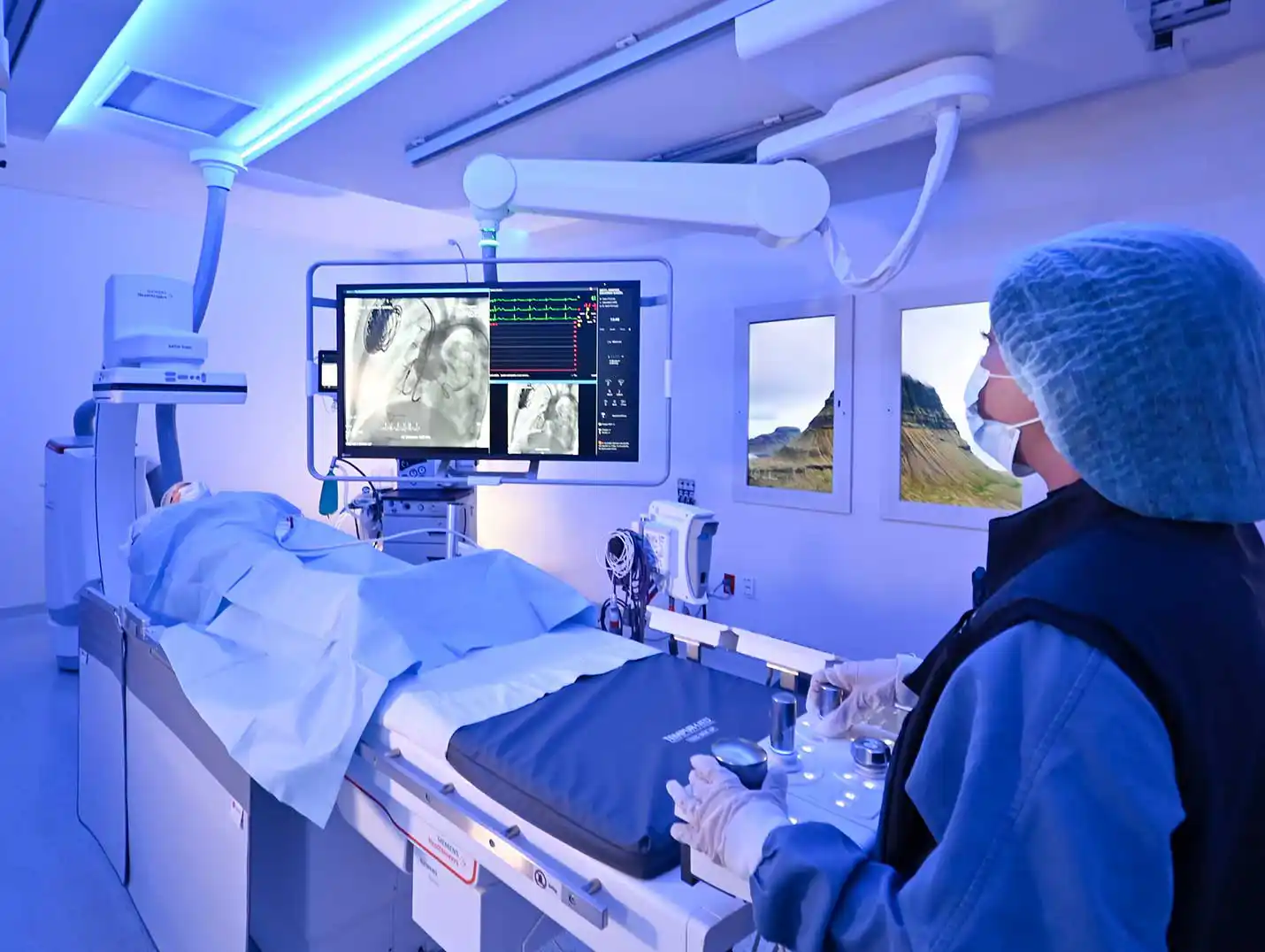


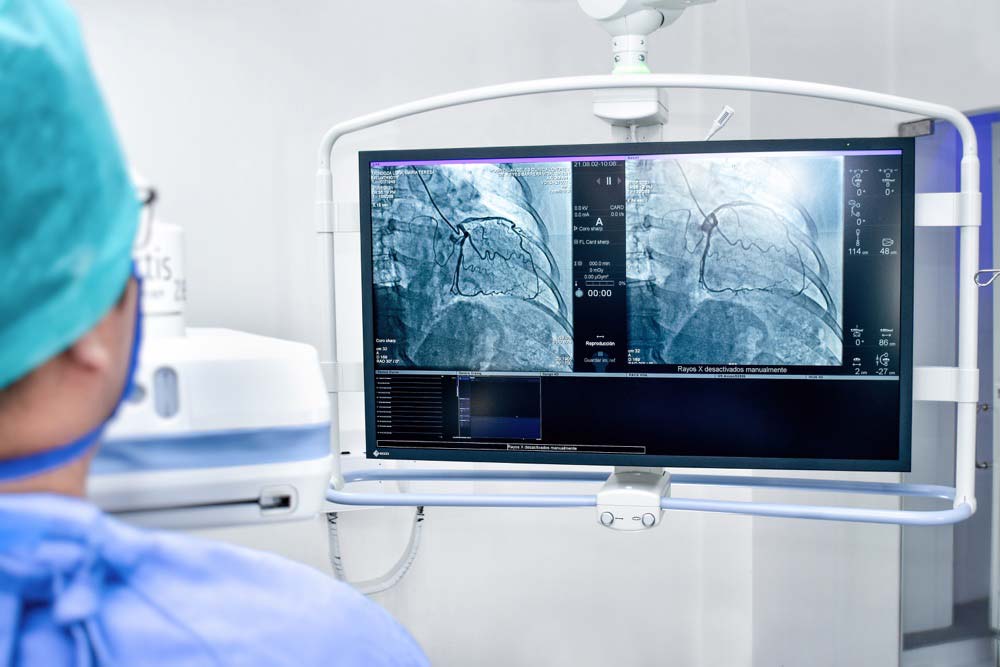
A catheterization lab lit by blue light. A patient lying down and covered with a blue sheet, and a doctor looking at an X-ray A catheterization lab lit by blue light. A patient lying down and covered with a blue sheet, and a doctor looking at an X-ray

Blue location pin icon on a white background. 50 Durango Street, Roma , 06700 México City, CDMX

+52 55 522 98400 Ext. 1234 and 1441

24 hours

At the Hemodialysis and Peritoneal Dialysis Unit at Hospital Angeles Clínica Londres these essential treatments for patients with chronic kidney disease, as they help filter and remove toxins and waste from the body.

Hemodialysis is a procedure in which a machine is used to filter the blood and remove waste products. During a hemodialysis session, blood is drawn from the patient through a catheter or an arteriovenous fistula, filtered in the machine, and then returned to the body. This process is performed several times a week and requires supervision by specialized medical staff.

On the other hand, peritoneal dialysis is a treatment performed at home. It involves introducing a special fluid into the patient’s abdomen through a catheter. This fluid absorbs waste and toxins through the peritoneal membrane and is then drained. Peritoneal dialysis offers greater flexibility and convenience for patients, as they can perform the treatment at home.

At Hospital Angeles Clínica Londres, we have a highly trained medical team and state-of-the-art technology to provide quality hemodialysis services. Our goal is to improve our patients’ quality of life by providing the best possible care.

Frequently Asked Questions

Hemodialysis and peritoneal dialysis are medical treatments used to filter and clean the blood in patients with chronic kidney disease.

Hemodialysis is performed in a hospital using a machine that filters the blood outside the body, while peritoneal dialysis can be performed at home using the lining of the abdomen as a filter.

Each hemodialysis session typically lasts about 3 to 4 hours and is performed 3 to 4 times a week, depending on the patient's needs.

Some of the risks associated with these treatments include infections, changes in blood pressure, electrolyte imbalances, and complications related to vascular access.

These treatments are recommended when the kidneys are unable to properly filter waste and excess fluid from the body, which can occur in cases of chronic kidney disease or kidney failure.

Hospitals that offer this service

An icon of a list inside a blue circle. Next to it is a white box with the word "contact"