Hemodialysis and Peritoneal Dialysis

Hemodialysis and Peritoneal Dialysis

Hemodialysis

Treatment for acute or chronic kidney failure, with state-of-the-art equipment and trained staff dedicated to improving patients’ quality of life, supported by the expertise of nutritionists and psychologists.
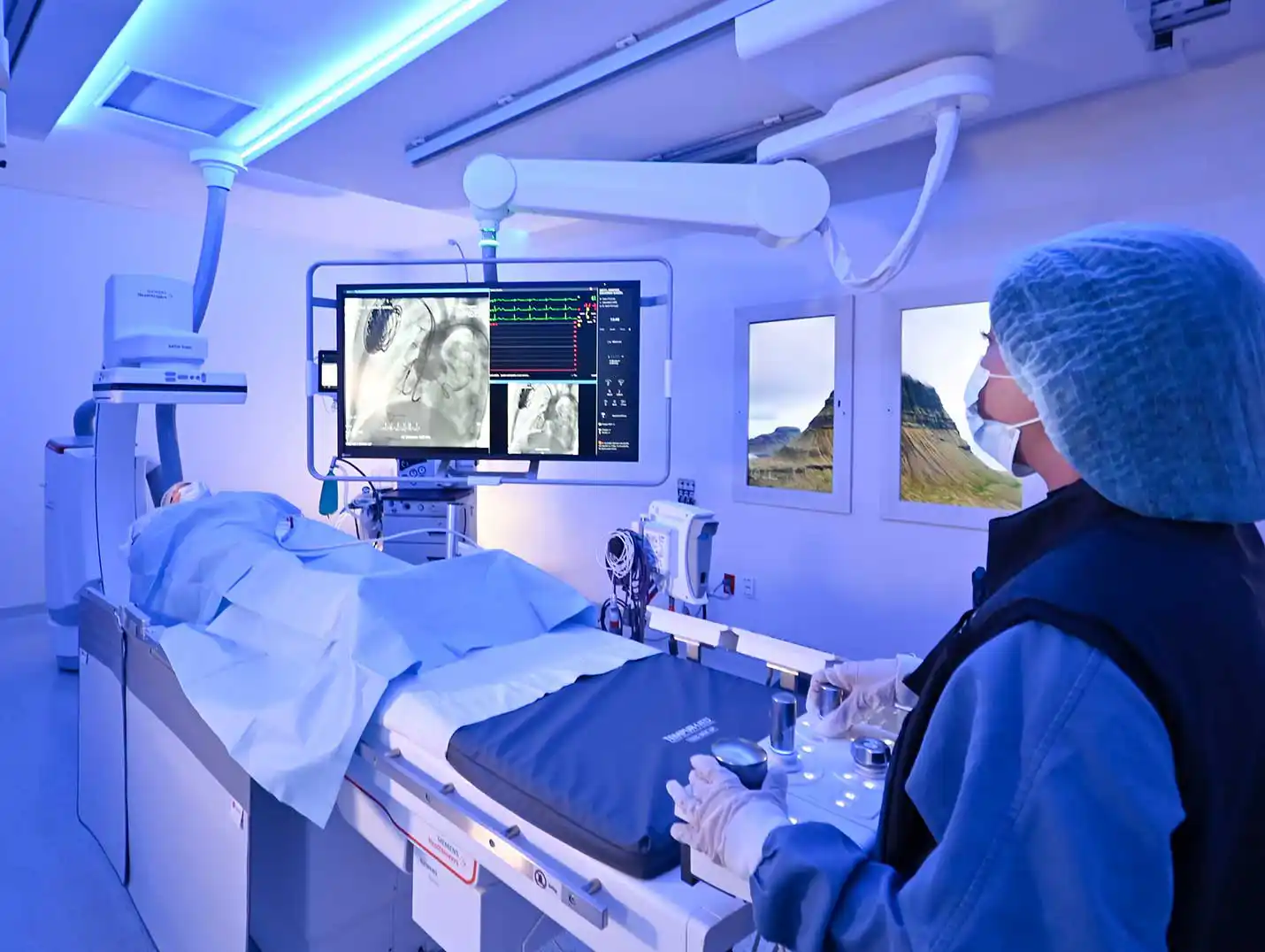


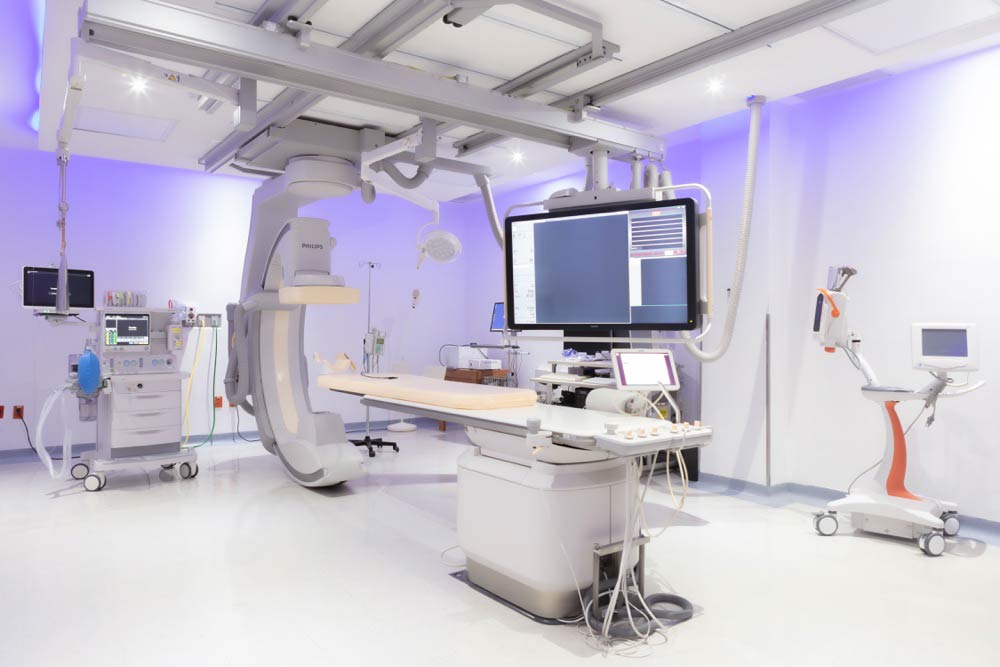
A catheterization lab lit by blue light. A patient lying down and covered with a blue sheet, and a doctor looking at an X-ray A catheterization lab lit by blue light. A patient lying down and covered with a blue sheet, and a doctor looking at an X-ray

Blue location pin icon on a white background. 909 Paseo del Tecnológico, Residencial Tecnológico, 27250 Torreón, Coahuila, México

+52 871 729 0400 Ext. 480

Monday–Saturday: 7:00 AM–11:00 PM

Hospital Angeles Torreón Hospital Angeles Torreón two primary medical options for the treatment of kidney failure: hemodialysis and peritoneal dialysis. Both techniques are designed to partially or completely replace the functions that the kidneys can no longer perform when affected by a chronic or acute disease. Each modality has specific advantages, and the choice of treatment is determined based on the patient’s health status, lifestyle, and preferences, always under medical supervision.

Hemodialysis and peritoneal dialysis at Hospital Angeles Torreón in-hospital procedures that use specialized equipment to filter blood outside the body, removing toxins, excess fluids, and imbalanced electrolytes. During treatment, the patient is connected to a machine via a vascular access point for several hours, several times a week.

Peritoneal dialysis offers a less invasive alternative. In certain cases, it allows the patient to undergo treatment at home. A dialysis solution is introduced into the abdominal cavity, and the peritoneum acts as the body’s natural filter. This option, available at Hospital Angeles Torreón, provides greater autonomy and flexibility. Both treatments are supported by a medical team with expertise in kidney disease. Patients receive support throughout the entire process: from the initial diagnosis to the evaluation of results and necessary adjustments at each stage. This care includes guidance on renal nutrition, management of comorbidities, and emotional preparation for living with renal replacement therapy.

Frequently Asked Questions

Hemodialysis and peritoneal dialysis are medical treatments used to filter and clean the blood in patients with chronic kidney disease.

Hemodialysis is performed at a medical facility using a machine that filters the blood outside the body, while peritoneal dialysis is performed at home using the lining of the abdomen to filter the blood.

Each hemodialysis session typically lasts about 3 to 4 hours and is performed 3 to 4 times a week, depending on the patient's needs.

Some of the risks associated with these treatments include infections, changes in blood pressure, electrolyte imbalances, and complications related to vascular access.

Hemodialysis and peritoneal dialysis are recommended when the kidneys are unable to adequately filter waste and excess fluid from the body, which can occur in cases of chronic kidney disease or kidney failure.


Hospitals that offer this service

An icon of a list inside a blue circle. Next to it is a white box with the word "contact"