Hemodialysis

Hemodialysis

Hemodialysis and Peritoneal Dialysis

Treatment for acute or chronic kidney failure, with state-of-the-art equipment and trained staff dedicated to improving patients’ quality of life, supported by the expertise of nutritionists and psychologists.
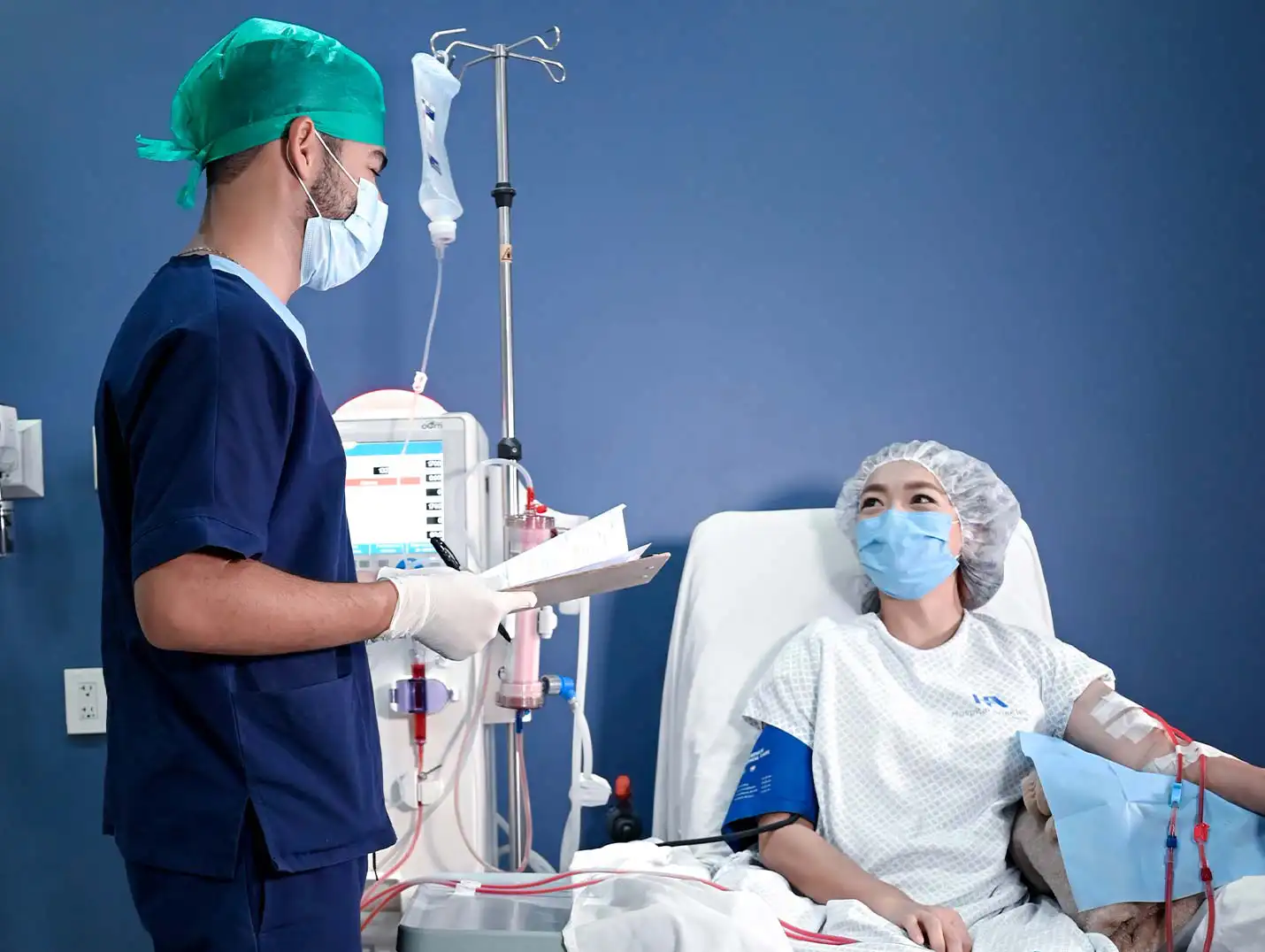


A patient wearing a hospital gown, a cap, and a face mask, sitting in a chair and looking at the nurse while undergoing a hemodialysis session A patient wearing a hospital gown, a cap, and a face mask, sitting in a chair and looking at the nurse while undergoing a hemodialysis session

Blue location pin icon on a white background. 639 C. Rio Bamba, Magdalena de las Salinas, Gustavo A. Madero, 07760 Mexico City, México

+52 55 5754 7000 Ext. 2530

9:00 a.m. to 7:00 p.m.

The Peritoneal Dialysis and Hemodialysis Service at Hospital Angeles Lindavista designed to offer a safe and effective treatment option for patients with chronic kidney disease who require renal replacement therapy. Peritoneal dialysis removes toxins, fluids, and waste products from the body by using the peritoneum as a natural filter. Peritoneal dialysis is performed at home or in specialized centers, following a protocol that promotes greater patient autonomy while ensuring clinical safety and continuous medical monitoring.

Peritoneal dialysis can be continuous ambulatory or automated. In both cases, the principle involves introducing a dialysis solution into the peritoneal cavity through a surgically implanted catheter. This solution remains in the abdomen for several hours, allowing the peritoneum to filter toxic substances from the blood. Subsequently, the solution is drained and replaced with a new one. This process is repeated several times a day or overnight with the help of an automatic cycler.

One of the main benefits of peritoneal dialysis is the ability to maintain greater independence from the hospital, allowing the patient to continue with daily, work, or school activities with greater flexibility. Additionally, because it is performed continuously, peritoneal dialysis offers gentler and more constant clearance, which can lead to better tolerance in people sensitive to sudden changes in volume, as occurs with hemodialysis.

At Hospital Angeles Lindavista, the peritoneal dialysis service focuses not only on the technical procedure but also on providing emotional, educational, and clinical support to the patient. Specific training is provided to patients and their caregivers so they can learn to safely perform solution exchanges at home, maintain catheter site hygiene, detect warning signs such as infections or poor drainage, and report any relevant changes in their health status.

Frequently Asked Questions

Hemodialysis is a medical procedure used to filter and clean the blood of people whose kidneys are not functioning properly. It is used to treat chronic kidney disease.

A hemodialysis session usually lasts about 3 to 4 hours. However, the duration may vary depending on each patient's needs and condition.

The frequency of hemodialysis sessions depends on the patient's health and the doctor's recommendation. Generally, they are performed 3 to 4 times a week.

Some of the risks and complications associated with hemodialysis may include infections, changes in blood pressure, muscle cramps, nausea, and vomiting. However, it is important to note that these risks are managed and monitored by the medical team.

Hemodialysis itself is not painful, as it is performed using a machine and a vascular access site. However, some patients may experience minor discomfort when the needles are inserted into the vascular access site.

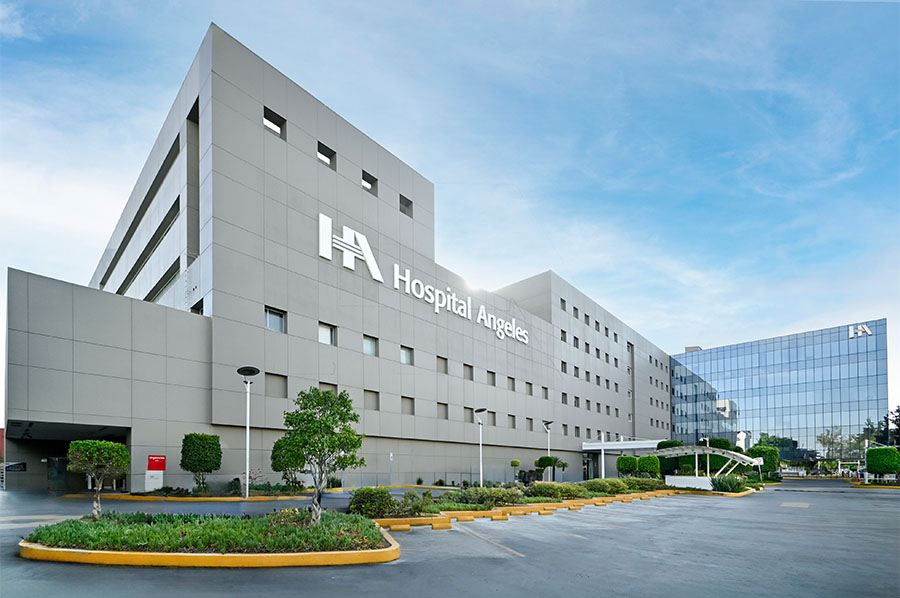
Hospitals that offer this service

An icon of a list inside a blue circle. Next to it is a white box with the word "contact"