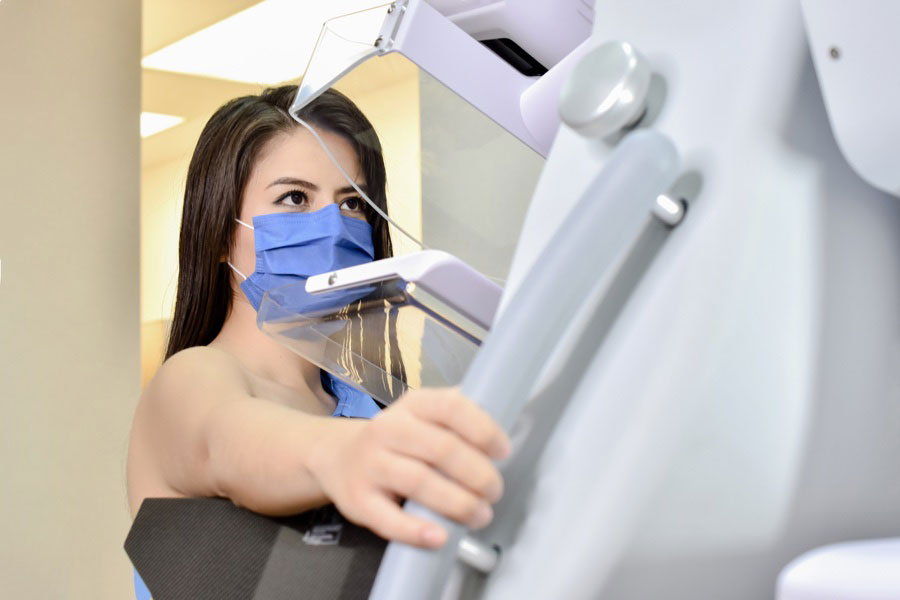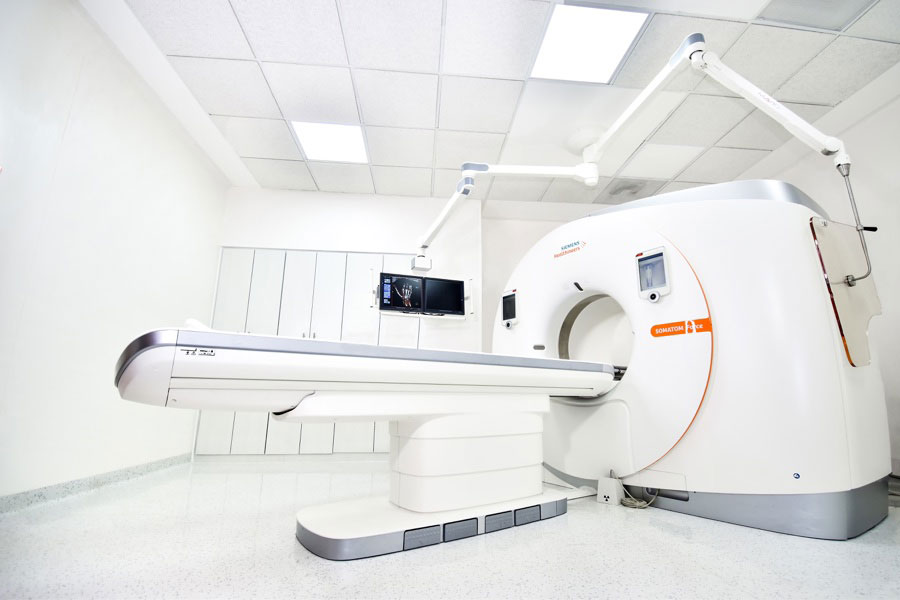
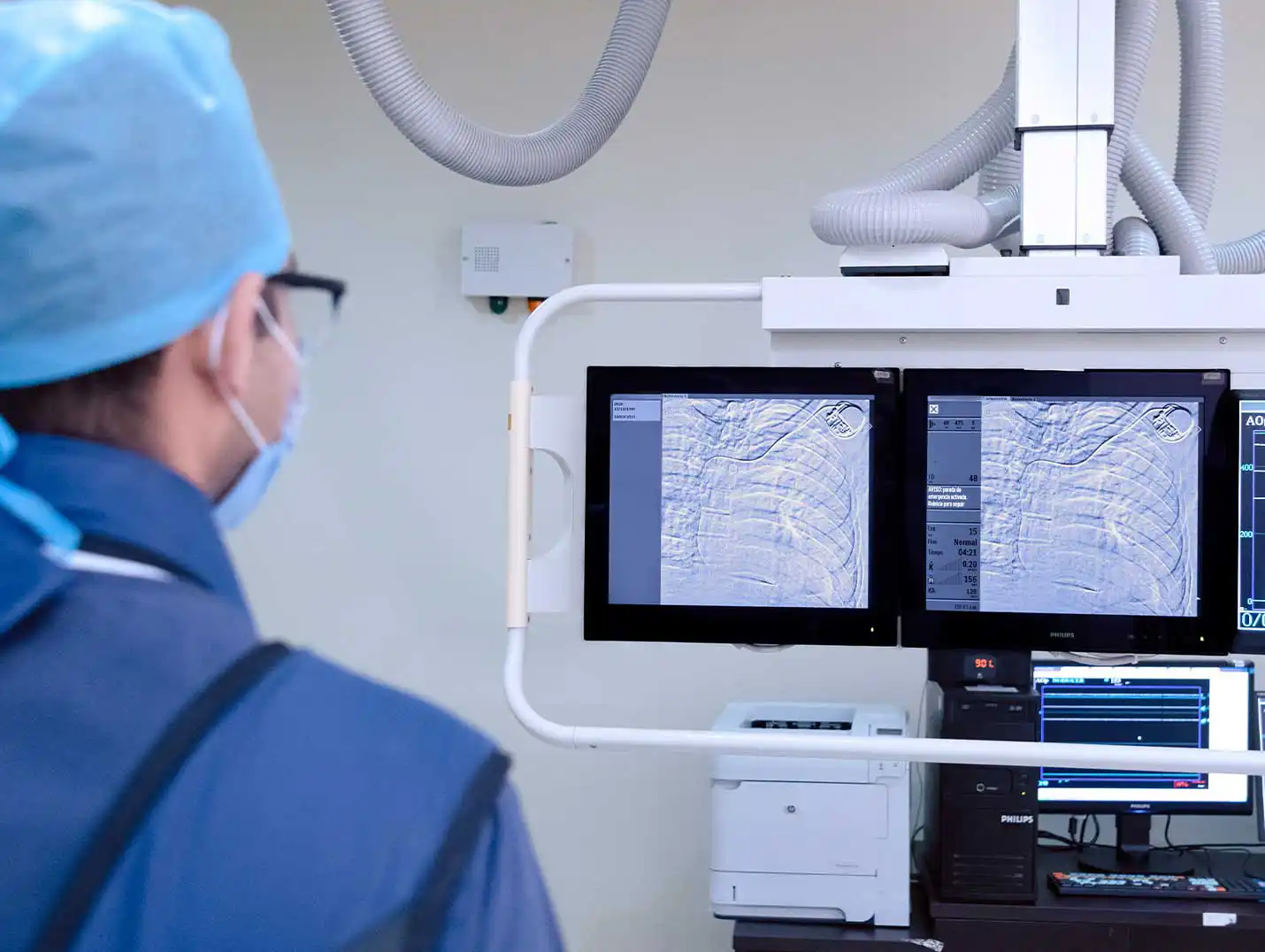
Diagnostic and therapeutic services provided by a technical team and trained staff dedicated to the early detection and prevention of cardiovascular diseases, using state-of-the-art technology.
 1055-S Camino de Santa Teresa, Héroes de Padierna, 10700 México City.
 +52 55 5449 5500
Ext. 5384 - 5385
+52 55 5449 5500
Ext. 5384 - 5385
 Monday–Friday: 7:00 a.m.–8:00 p.m. Saturday: 8:00 a.m.–1:00 p.m.
Cardiac Physiology is an essential medical discipline focused on studying the functioning of the heart and its relationship with the vascular system. This field allows for an in-depth analysis of how the cardiovascular system responds to various stimuli, the detection of potential abnormalities, and the development of preventive, diagnostic, or therapeutic medical strategies. The primary objective of this service is to conduct functional studies of the cardiovascular system using state-of-the-art technology.
Cardiovascular physiology is a branch of medicine that studies the functioning of the cardiovascular system and its disorders.
The Cardiovascular Physiology department performs tests such as stress tests, echocardiograms, and ambulatory blood pressure monitoring, among others.
Cardiovascular physiology is used to diagnose and evaluate diseases of the heart and blood vessels, as well as to determine the most appropriate treatment.
Cardiovascular physiology is of vital importance for the early diagnosis and monitoring of cardiovascular diseases, which helps improve patients' quality of life.
To access cardiovascular physiology services, you must visit a specialized medical center staffed by professionals trained in this field.