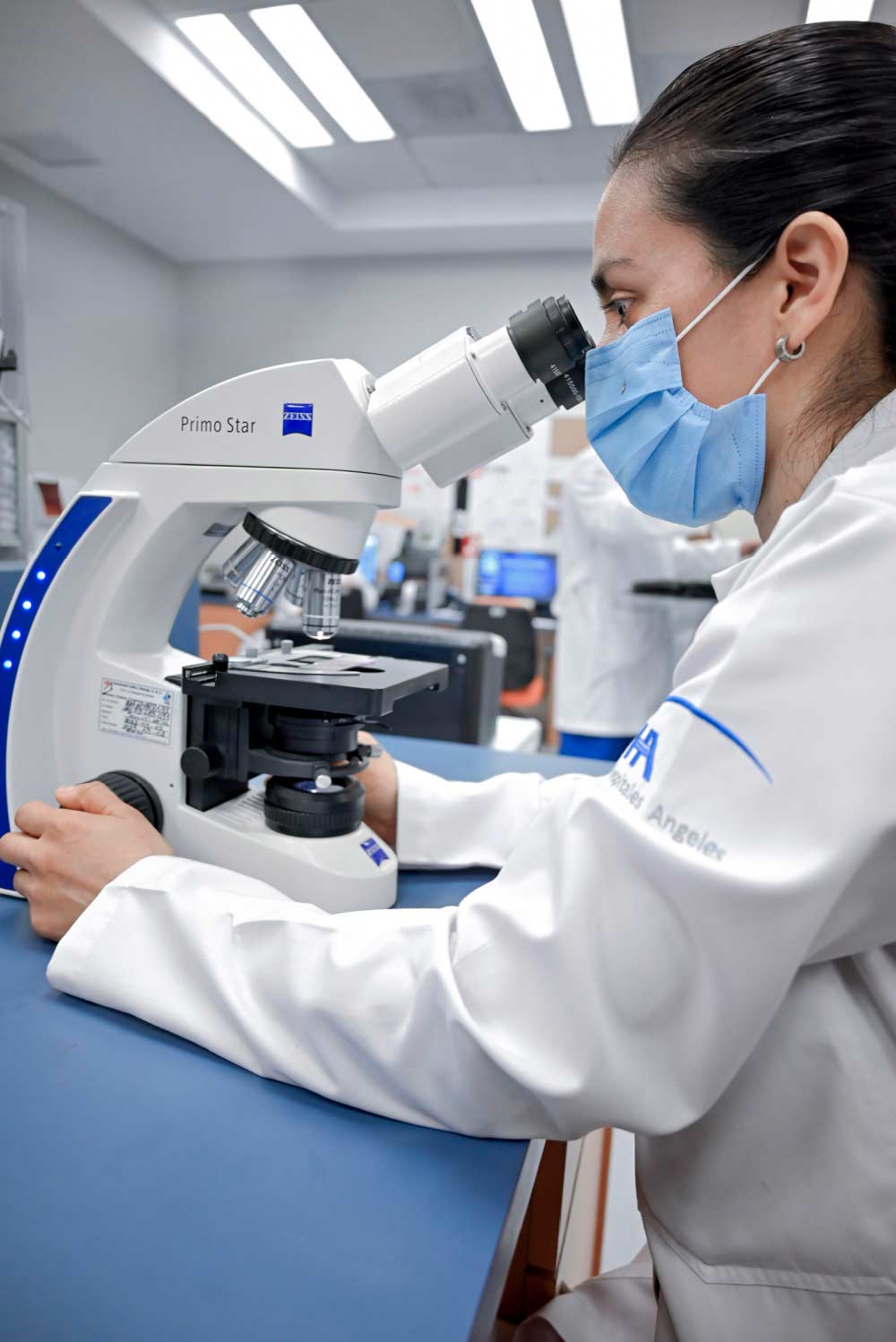
Cardiovascular Physiology

Cardiovascular Physiology

Diagnostic and therapeutic services provided by a technical team and trained staff dedicated to the early detection and prevention of cardiovascular diseases, using state-of-the-art technology.
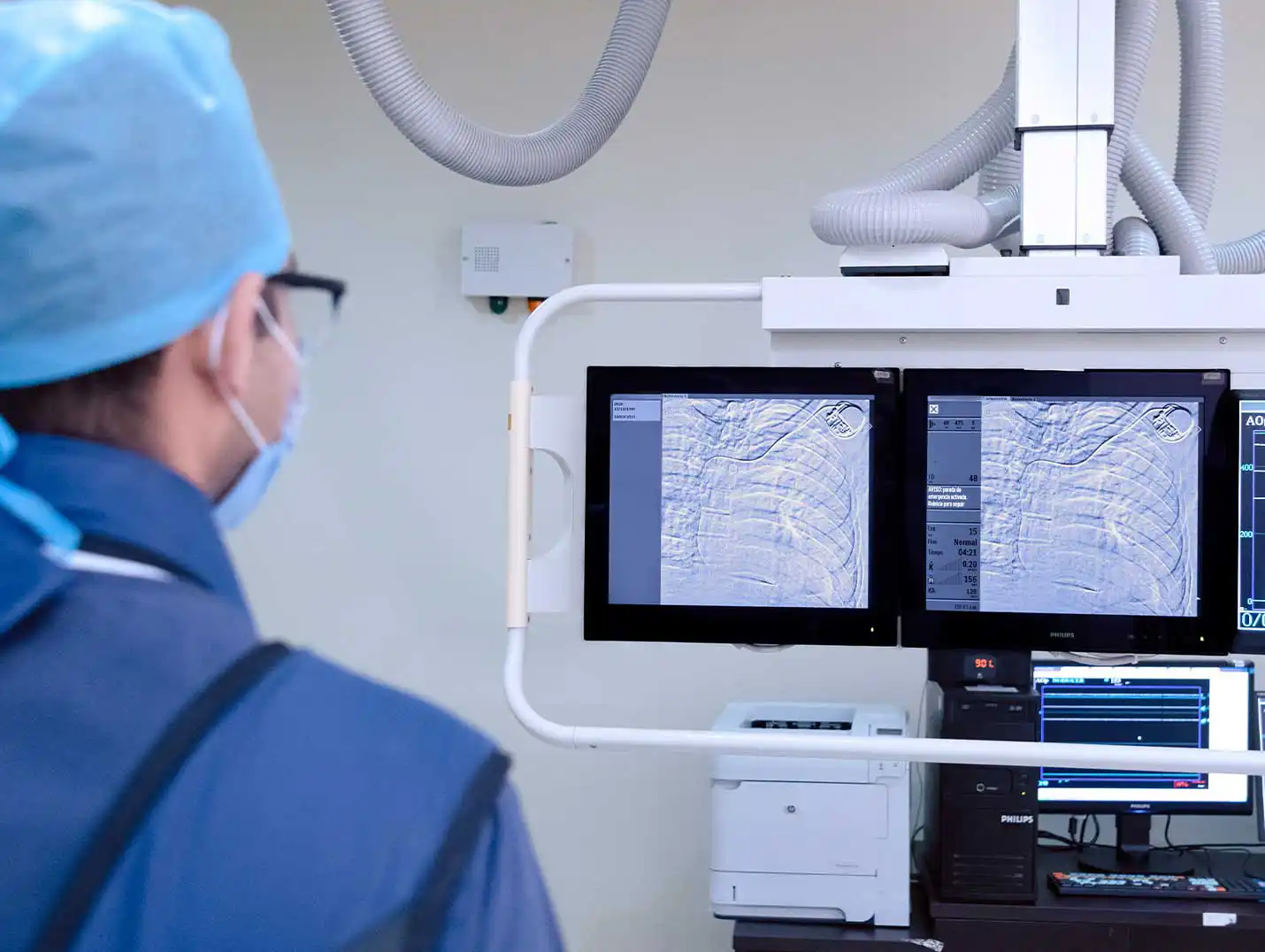


A doctor in an operating room closely examining a chest X-ray on a white monitor A doctor in an operating room closely examining a chest X-ray on a white monitor

Blue location pin icon on a white background. 560 México Highway, Pastoresa, 91193 Xalapa, Ver.

+52 228 141 0800 Ext. 2400

8:00 a.m. to 6:00 p.m.

Cardiac physiology is one of the most important physiological functions in the human body, as it helps us understand how certain organs and systems work together to maintain the body’s balance and health.

Understanding cardiac physiology involves analyzing not only the role of a single organ, but also the interaction of multiple structures that work in coordination to perform specific functions. This may include nutrient digestion, gas exchange, blood circulation, muscle contraction, or nervous system regulation, depending on the type of physiology being studied. In the specific case of cardiac physiology, healthcare professionals can observe how the body responds to different stimuli and how certain diseases disrupt the body’s normal functioning.

From a clinical perspective, cardiac physiology has fundamental applications; a detailed understanding of cardiac physiology allows for the detection of irregularities or disorders affecting specific organs. This information is crucial for physicians, physical therapists, and other professionals specializing in the diagnosis, treatment, and prevention of diseases. Furthermore, it enables better planning of personalized therapies and a comprehensive approach to patient care.

The teaching of cardiac physiology also plays a central role in the training of healthcare professionals. Through the detailed study of physiological processes, one can understand how the body’s systems work together to maintain homeostasis. This includes complex processes such as hormonal secretion, renal filtration, the heart’s electrical activity, and the immune response.

At Hospital Angeles the importance of cardiac physiology, which is why we have trained specialists and state-of-the-art technology to evaluate, diagnose, and treat problems related to the functioning of the human body’s organs and systems. Our mission is to provide excellent medical care, based on scientific knowledge and a deep understanding of the human body.

Frequently Asked Questions

Cardiovascular physiology is a branch of medicine that studies the functioning and diseases of the cardiovascular system, which includes the heart and blood vessels.

You should see a specialist in cardiovascular physiology if you experience symptoms related to heart disease, such as chest pain, shortness of breath, palpitations, or high blood pressure.

In Cardiovascular Physiology, various tests are performed to assess the function of the heart and blood vessels, such as electrocardiograms, echocardiograms, stress tests, and cardiac catheterizations.

The goal of cardiovascular physiology is to diagnose and treat diseases of the heart and blood vessels, as well as to assess cardiovascular function in patients with chronic diseases.

Seeing a specialist in cardiovascular physiology allows you to receive an accurate diagnosis and appropriate treatment for heart disease, which can improve your quality of life and prevent serious complications.

Hospitals that offer this service

An icon of a list inside a blue circle. Next to it is a white box with the word "contact"