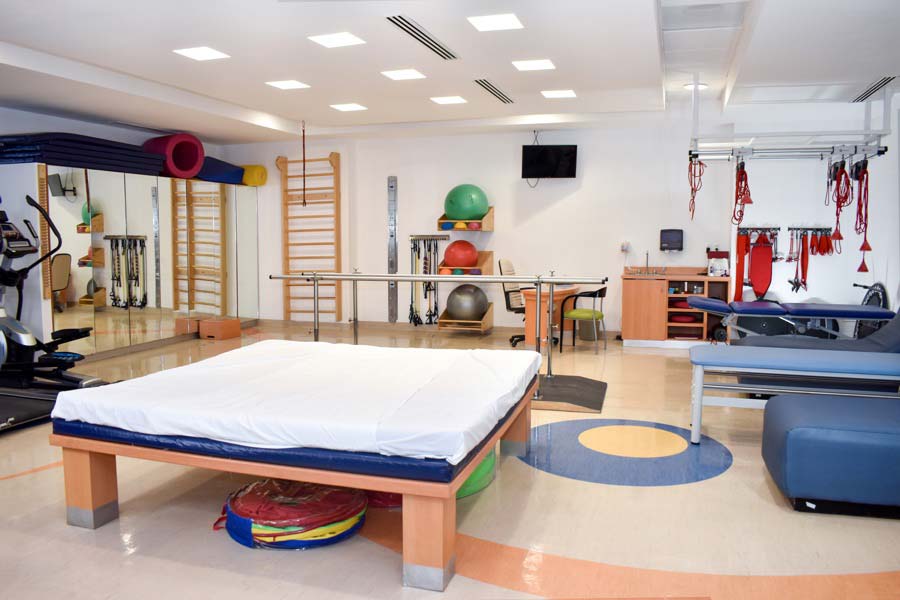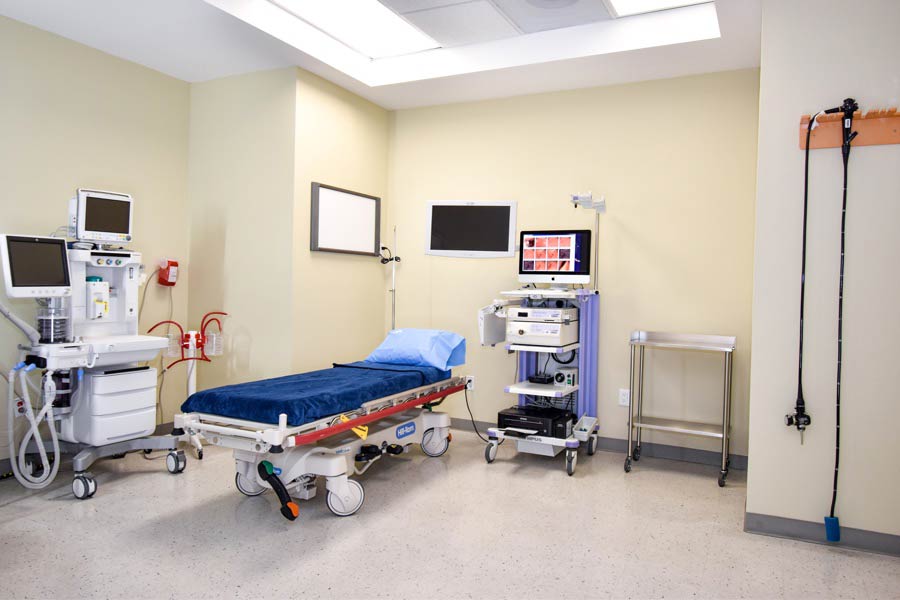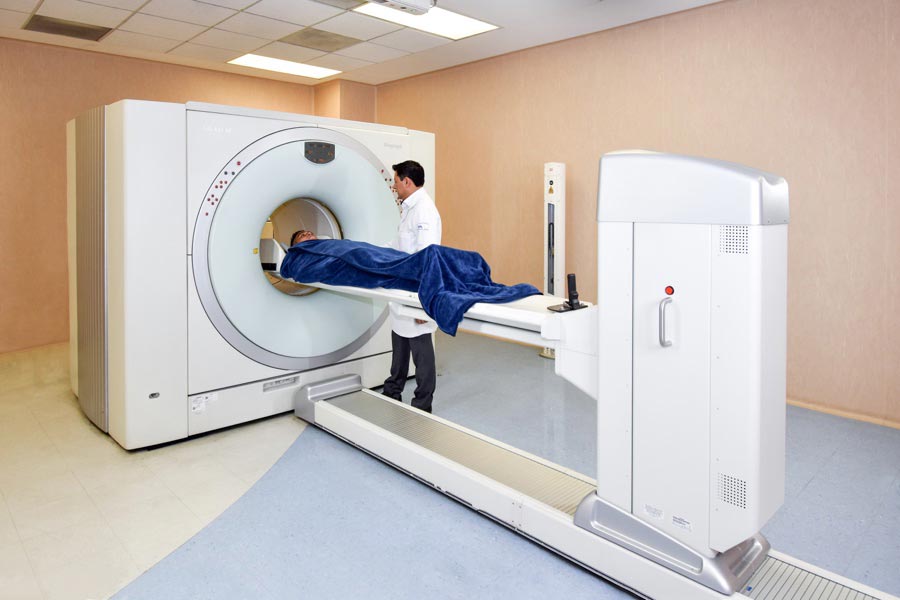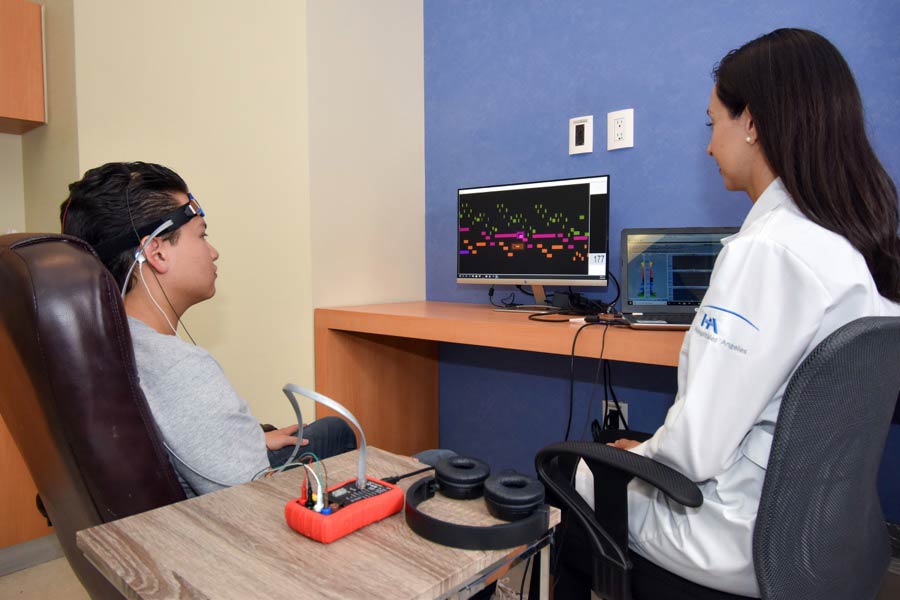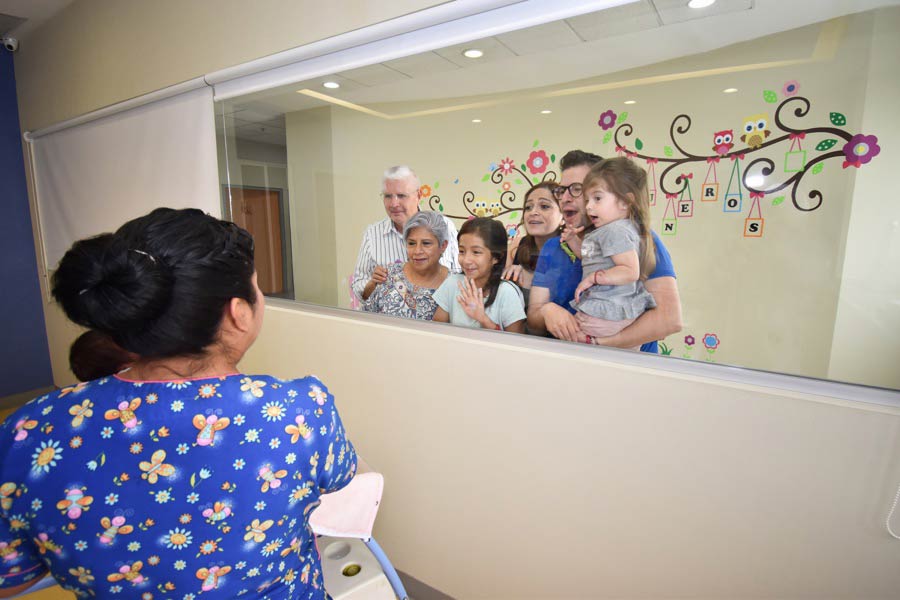
The Hospital Angeles Blood Bank Hospital Angeles reliable and safe, helping to save lives with our state-of-the-art infrastructure and specialized medical equipment.

 2143 Kepler Ave., Atlixcáyotl Land Reserve, 72190 Puebla, Pue.
 +52 222 303 6600
Ext. 2049
+52 222 303 6600
Ext. 2049
 Monday–Saturday: 7:00 a.m.–9:00 p.m. Emergency services available 24 hours a day, 365 days a year
The Blood Bank at Hospital Angeles Puebla a comprehensive service whose primary objective is to provide blood and blood components in a timely and safe manner to patients who need them. Our highly trained and specialized team is responsible for collecting, processing, and storing blood properly, in accordance with the highest standards of quality and safety.
Our Blood Bank maintains a wide variety of blood types and blood components, allowing us to efficiently meet our patients’ transfusion needs. Additionally, we conduct rigorous compatibility testing to ensure the safety and efficacy of transfusions.
Our service is characterized by its speed and efficiency, providing personalized, high-quality care to each of our patients. In addition, we have a donor registration and tracking system, which allows us to maintain a constant supply of blood and blood components.
At the Blood Bank of Hospital Angeles Puebla care about the health and well-being of our patients, which is why we constantly work to improve our processes and offer a service of excellence. Trust us to meet your needs for blood and blood components, and rest assured that you are in the hands of experts committed to your health.
Donating blood is a simple, safe, altruistic, and voluntary process. All the equipment used is new and disposable. The entire process takes about 90 minutes.
THE FOLLOWING REQUIREMENTS MUST BE MET:
Current regulations establish clear and specific criteria for when you are NOT eligible to donate blood—either temporarily or permanently—which are part of the clinical evaluation and will be discussed with you.
THE DONATION PROCESS CONSISTS OF SEVERAL STAGES:
Identification: This must be provided in the form of a valid official ID (National ID card, passport, or professional license). If you do not have one of these, you will not be able to donate.
Clinical evaluation: This is conducted prior to donation and consists of an interview (all information will be kept confidential, so we encourage you to be honest for the benefit of both the recipient and the donor) and a physical examination; once completed, it must be signed by you and the physician who performed it.
Laboratory testing is conducted in two phases:
We are required to inform you if any of your test results indicate a significant health concern. A positive test result for any blood-borne disease will result in your exclusion as a donor, the destruction of the products derived from your donation, and the reporting of the results to the Health Authority. All your information will be handled in accordance with the Personal Data Protection Act.
Self-exclusion: If, after answering a few simple questions about your lifestyle and sexual practices, you decide that your blood is not suitable for donation, or if the doctor finds your answers to be unclear, your donation will be rejected in accordance with current regulations.
Informed consent to donate is one of the most important legal requirements for donating blood, so we ask that you read it carefully (if you have any questions, please ask the doctor to clarify them for you).
AFTER DONATING, YOU MUST TAKE THE FOLLOWING STEPS:
After the donation,you may experiencesomeside effects, the most common of which are:
Ten business days after donating, you maypick upthe results of the laboratory tests we performedin person, provided you present avalid form of identification(IFE, passport) along with yourdonation receipt.
DON'T FORGET...
The Blood Bank is a specialized service responsible for collecting, processing, storing, and distributing blood and blood components for use in blood transfusions and other medical treatments.
Anyone over the age of 18 who is in good health, weighs more than 50 kilograms, and meets the eligibility requirements set by the Blood Bank may donate blood.
The blood donation process usually takes about 90 minutes, including registration, a medical interview, the blood draw, and the recovery period afterward.
Yes, donating blood at the Blood Bank is completely safe. Strict hygiene and sterilization protocols are followed to ensure the safety of both the donor and the recipient.
Donated blood is stored at the blood bank for a period of 42 days, depending on the type of blood component. After this time, the blood expires and can no longer be used.