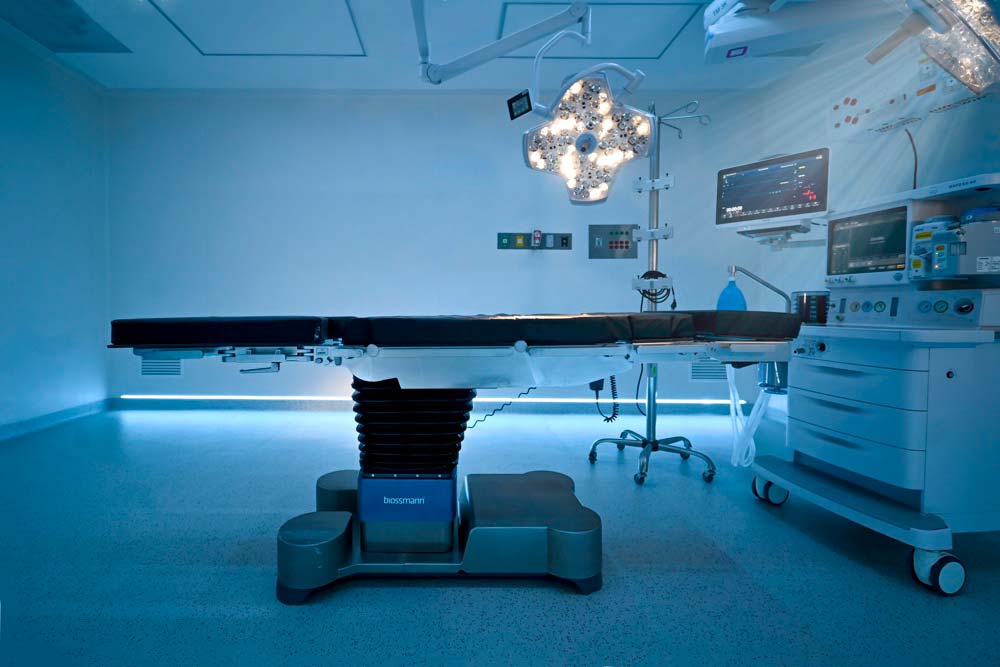
Care for patients with digestive disorders, using state-of-the-art diagnostic procedures such as esophageal and anal manometry, pH monitoring, and various endoscopic examinations.
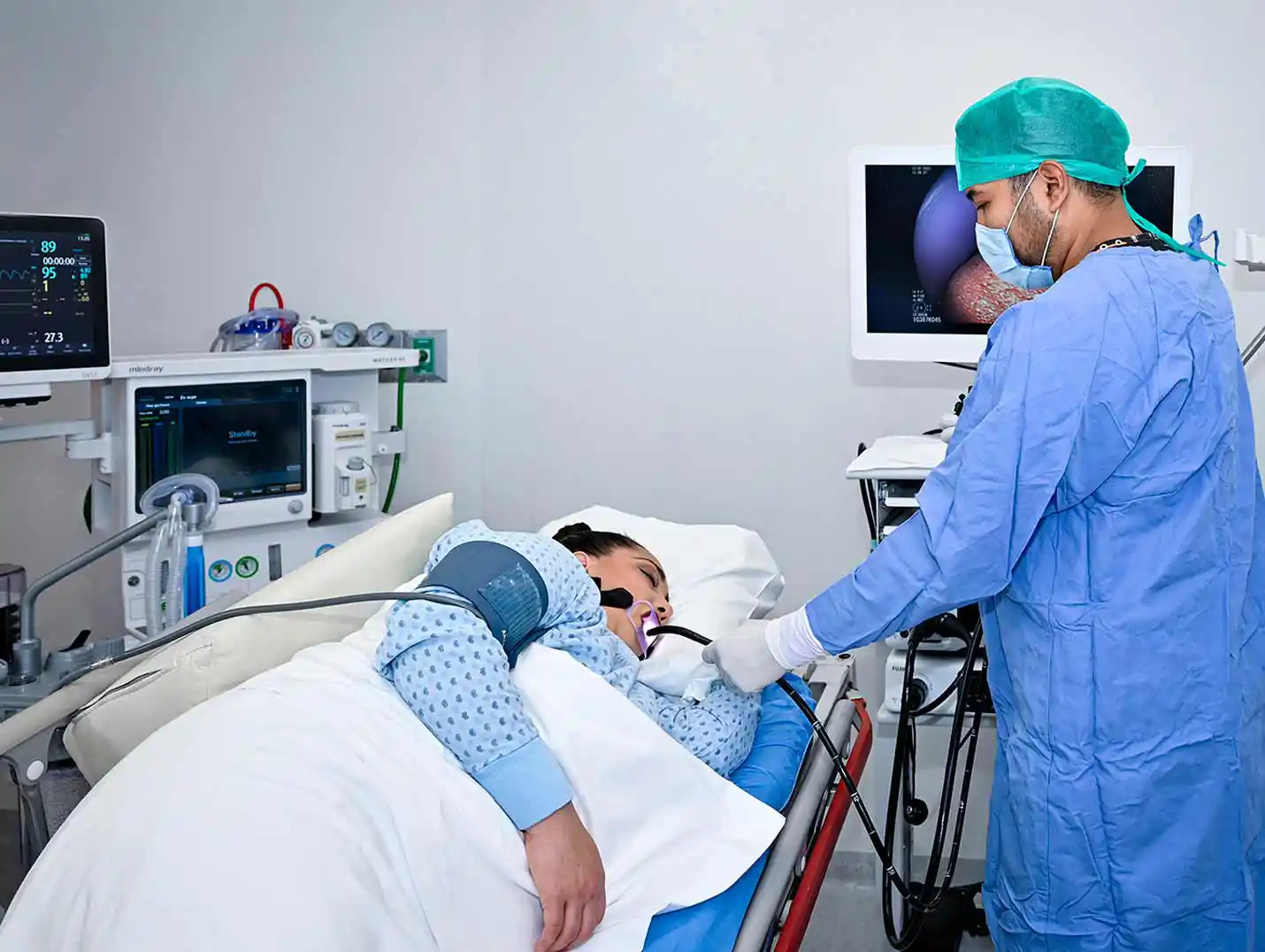
Endoscopy is a medical procedure in which an endoscope is used to examine the inside of certain organs or body cavities. It is used to diagnose and treat various diseases and conditions, such as ulcers, tumors, inflammation, and blockages.
The benefits of undergoing an endoscopy include the ability to obtain clear, detailed images of the area being examined, the ability to perform biopsies and tissue samples, and the option to perform minimally invasive treatments during the procedure.
During an endoscopy, a flexible endoscope is inserted through a natural opening in the body, such as the mouth or the rectum. The endoscope is equipped with a camera at the tip, which allows the doctor to view the internal area on a monitor. If necessary, additional procedures can be performed using special instruments.
Endoscopy is usually performed under local anesthesia or sedation, which helps minimize any discomfort or pain during the procedure. However, you may experience a temporary sensation of pressure or discomfort.
The duration of an endoscopy can vary depending on the area being examined and whether any additional procedures are performed. In general, the procedure usually lasts between 15 and 60 minutes.

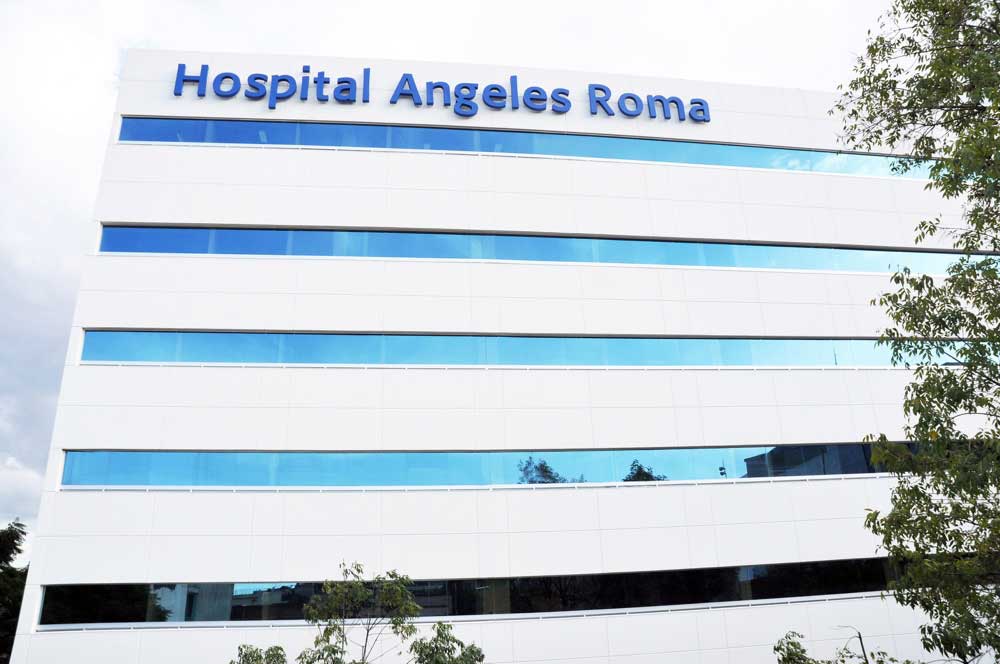
 Querétaro Street, Roma ., 06700 México City, CDMX
  +52 55 5265 3000
  24 hours