It is a high-quality imaging method that has revolutionized medical diagnosis by providing detailed images of the body’s interior. Since it does not use ionizing radiation, such as X-rays, it is safe for patients of all ages and poses no risk of radiation exposure. As a result, this tool helps create accurate images of various parts of the body, including the brain, spine, joints, and internal organs.
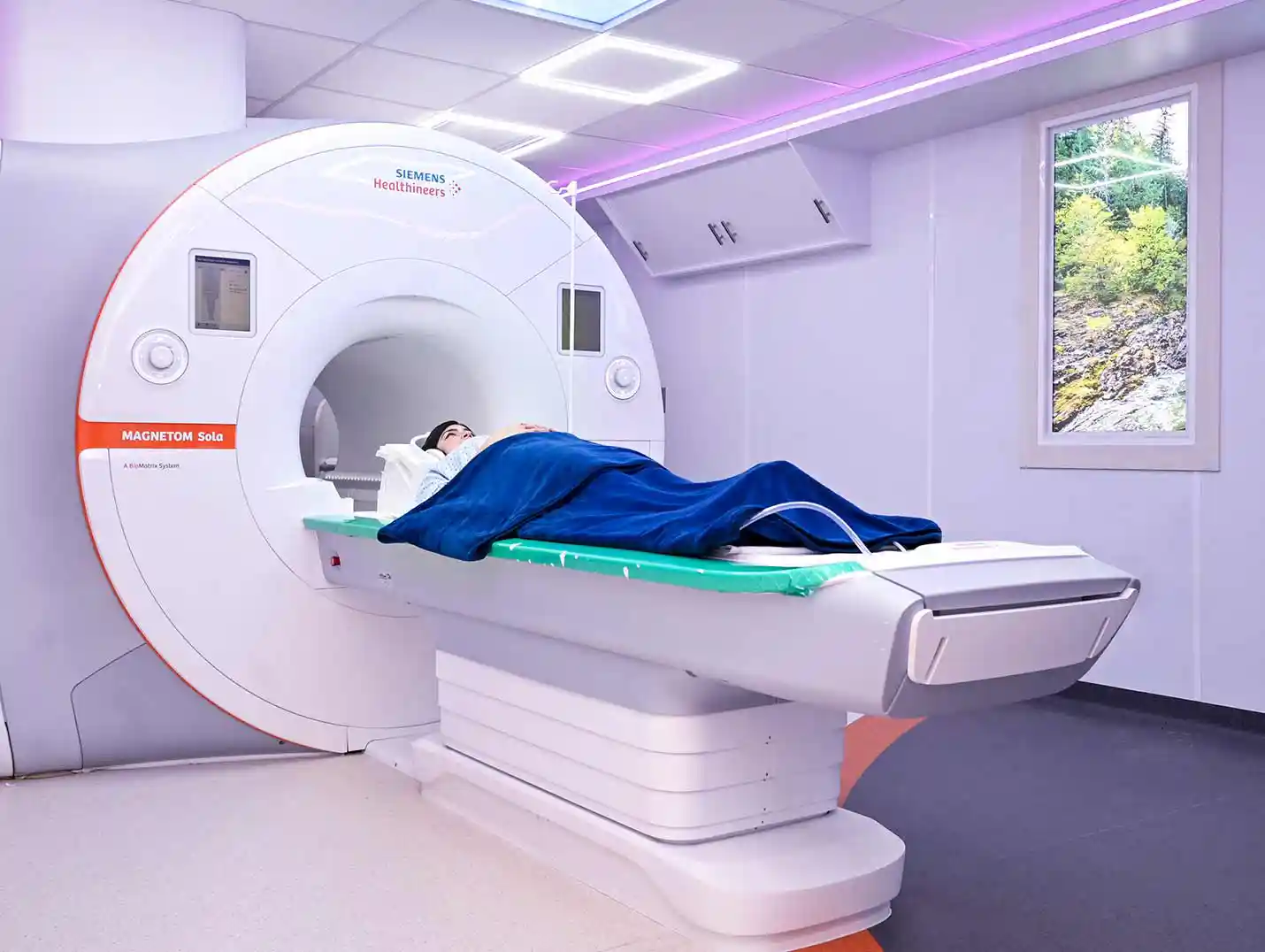
Magnetic resonance imaging (MRI) is a diagnostic imaging technique that uses magnets and radio waves to produce detailed images of the inside of the body.
Magnetic resonance imaging (MRI) is used to diagnose and evaluate a wide variety of medical conditions, such as soft tissue injuries, tumors, heart disease, brain disorders, and joint problems.
Before an MRI, you may need to remove any metal objects and jewelry, and let the doctor know if you have any metal implants or if you are pregnant. You may also need to fast or avoid certain foods and medications before the exam.
Yes, an MRI is a safe and non-invasive procedure. However, it is important to tell your doctor if you have claustrophobia, allergies, or kidney problems, as additional precautions may be necessary.
The duration of an MRI scan can vary depending on the part of the body being examined and the complexity of the case. Generally, the procedure takes between 30 and 60 minutes.

 560 México Highway, Pastoresa, 91193 Xalapa, Ver.
  +52 228 141 0800
  7:00 a.m. to 9:00 p.m.