Cardiology Center - Cardiovascular Center
Cardiology Department at Hospital Angeles your heart with our team of specialists and state-of-the-art medical technology—prevention is your best ally
 Agrarismo 208, Escandón II Section, 11800 México City, CDMX
 +52 55 5516 9900
Ext. 1450 y 1451
+52 55 5516 9900
Ext. 1450 y 1451
 9:00 a.m. – 9:00 p.m.
Cardiology is a medical specialty that focuses on the study, diagnosis, and treatment of diseases of the heart and circulatory system. Its primary goal is to maintain cardiovascular health and prevent heart disease.
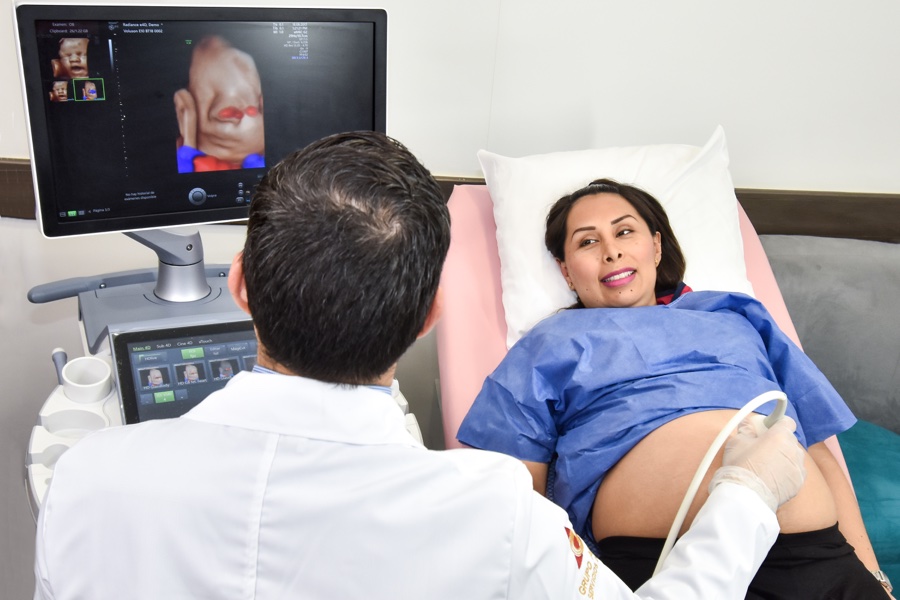
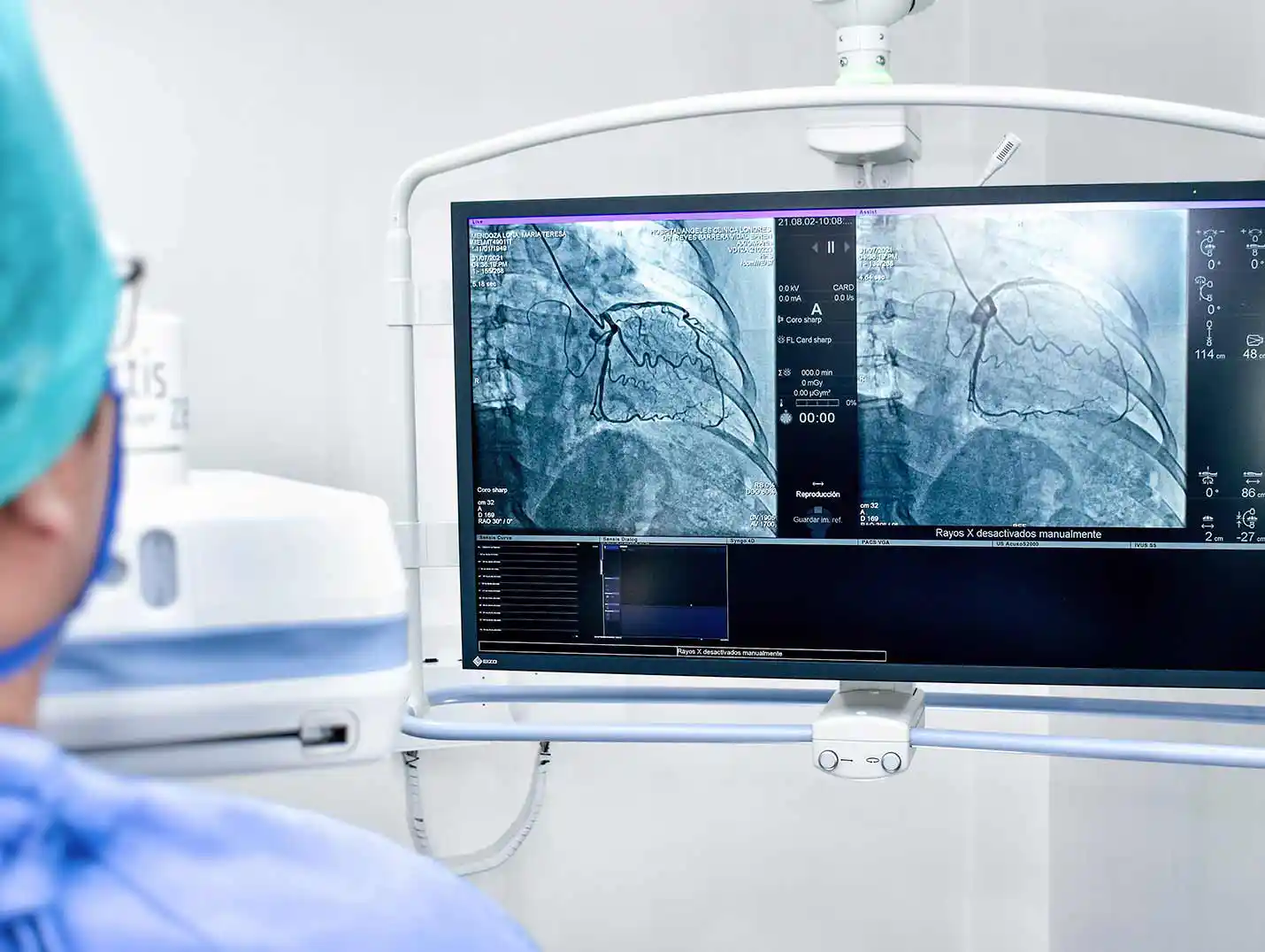
Hospital Angeles México Hospital Angeles México a wide range of cardiology services, including specialized medical consultations, diagnostic tests such as electrocardiograms and echocardiograms, stress tests, cardiac catheterizations, and angioplasties, among others.
It is advisable to see a cardiologist if you experience symptoms such as chest pain, shortness of breath, palpitations, frequent dizziness, swelling in the legs, or a family history of heart disease. It is also important to get regular checkups if you have risk factors such as high blood pressure, diabetes, obesity, or smoking.
Prevention in cardiology is essential to prevent the development of heart disease and its complications. Through early detection of risk factors, lifestyle changes, and appropriate medical follow-up, the risk of heart attack, heart failure, or other heart diseases can be reduced.
The length of an appointment may vary depending on the individual case, but on average it usually lasts between 30 minutes and 1 hour. During the appointment, the cardiologist will conduct a comprehensive medical evaluation, review the patient’s medical history, perform diagnostic tests if necessary, and provide appropriate recommendations and treatment.