Cardiology

Cardiology

Cardiology Center - Cardiovascular Center

Cardiology Department at Hospital Angeles your heart with our team of specialists and state-of-the-art medical technology—prevention is your best ally
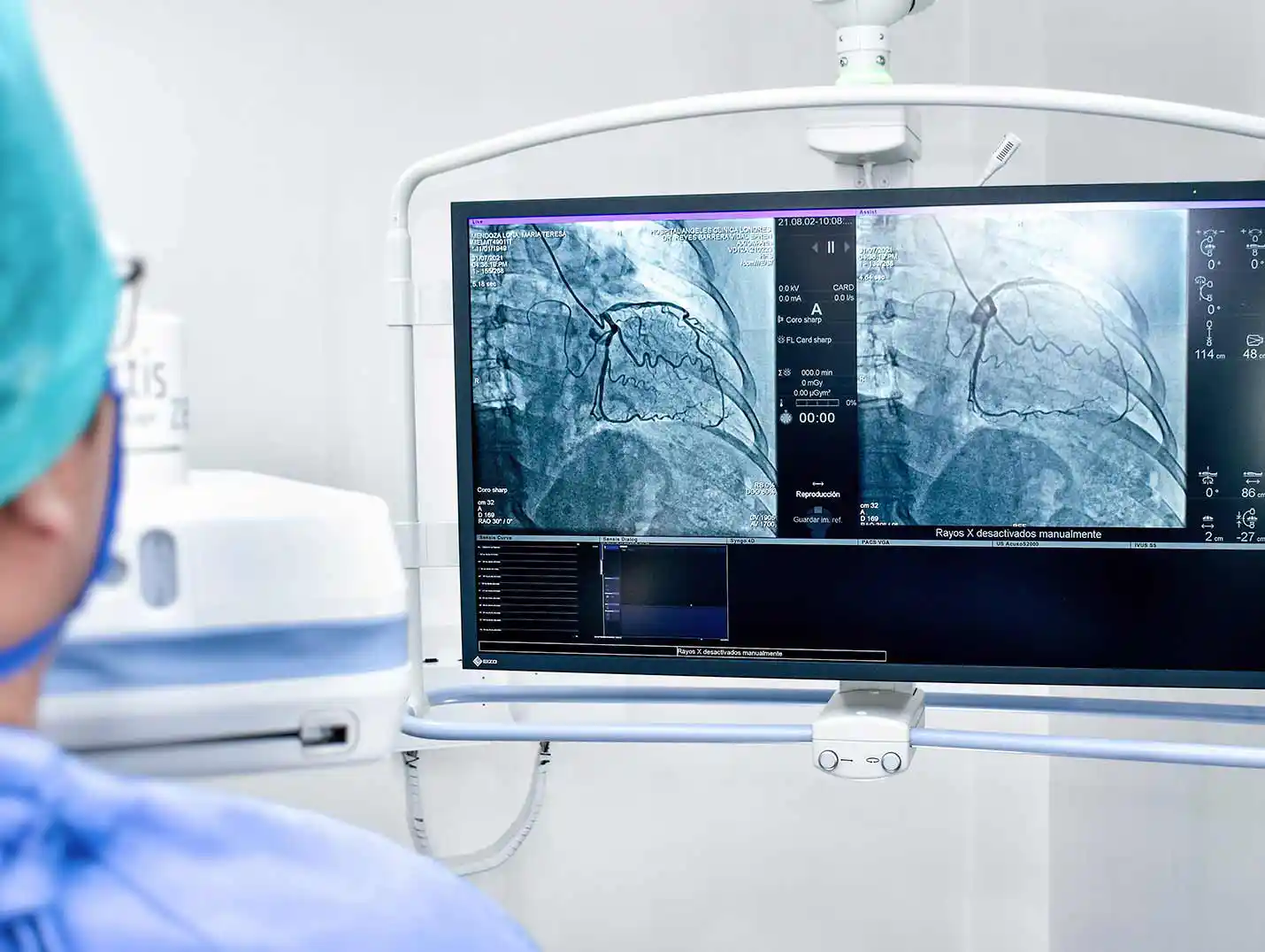


A doctor wearing blue surgical scrubs, a cap, and a face mask, looking at a chest X-ray on a white monitor A doctor wearing blue surgical scrubs, a cap, and a face mask, looking at a chest X-ray on a white monitor

Blue location pin icon on a white background. Querétaro Street, Roma ., 06700 México City, CDMX

+52 55 5265 3000 Ext. 2001

9:00 a.m. to 7:00 p.m.

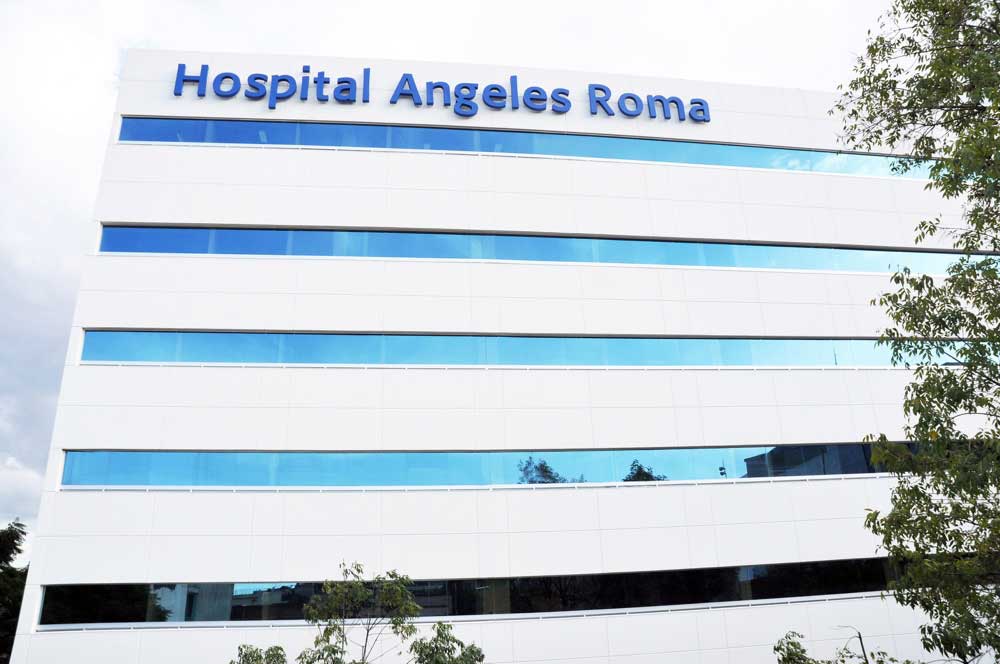
Cardiology is a medical specialty that focuses on the diagnosis and treatment of diseases related to the heart and blood vessels. At Hospital Angeles Roma a team of highly trained and experienced cardiologists who provide quality services and personalized care to our patients.

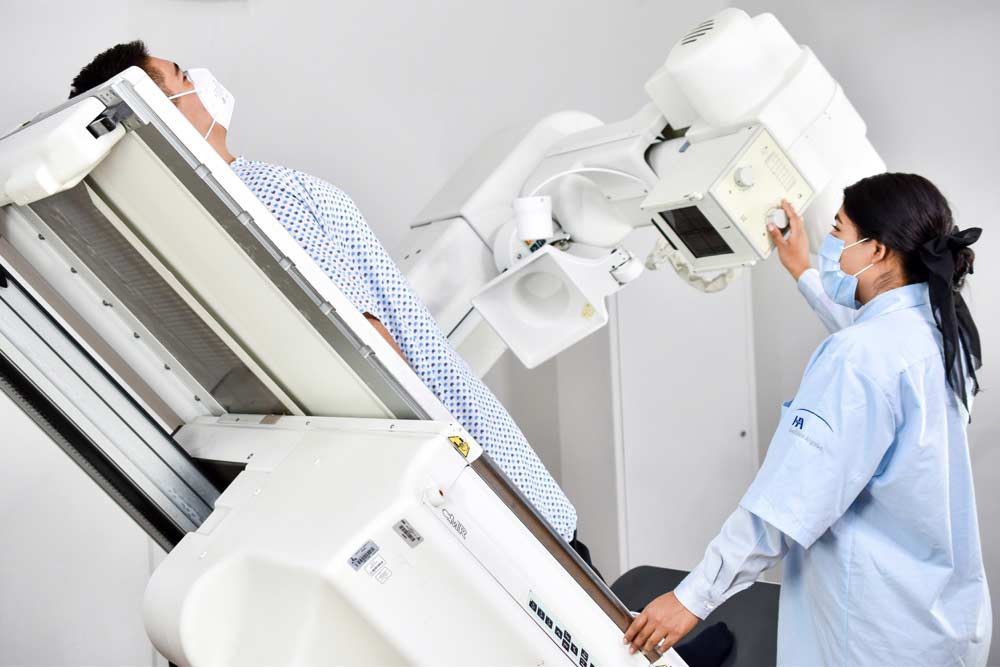
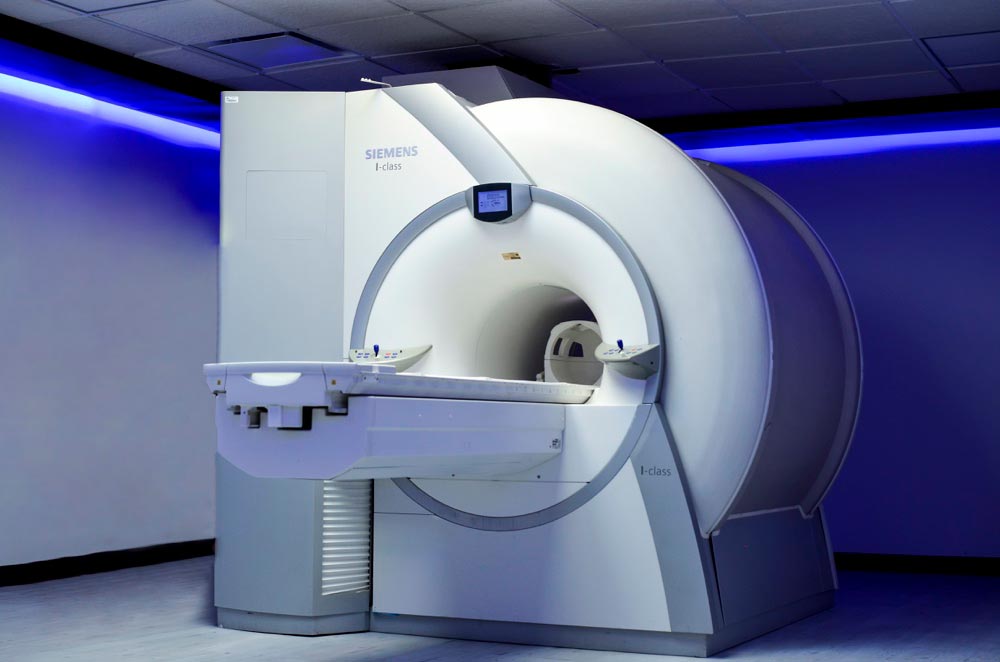
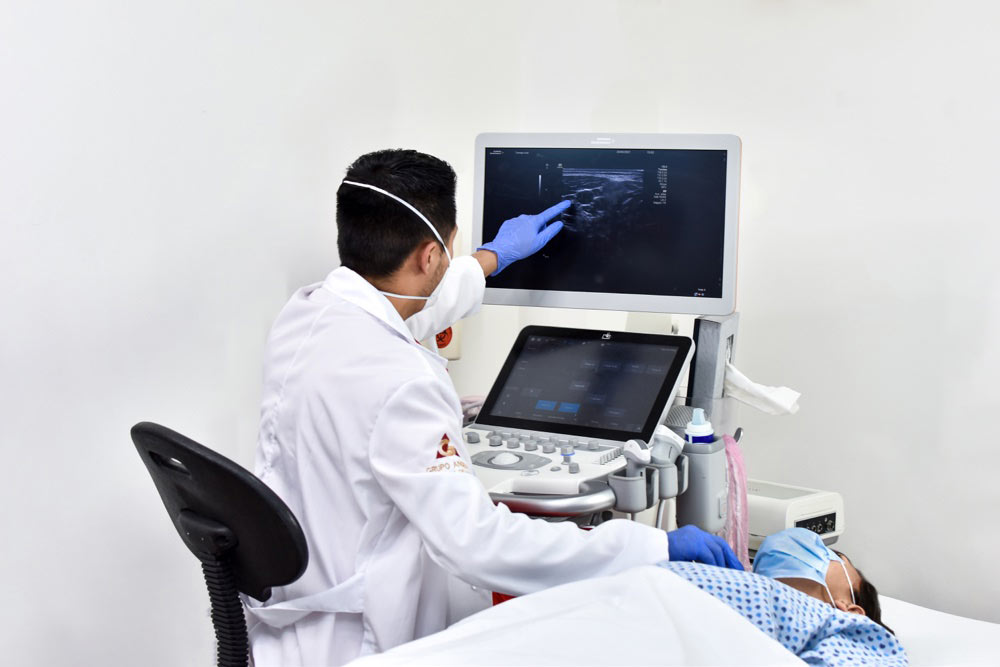
Our cardiology services include a wide range of tests and procedures to assess our patients’ cardiovascular health. We perform electrocardiograms, echocardiograms, stress tests, and ambulatory blood pressure monitoring, among others. These tests allow us to obtain accurate information about heart function and detect any abnormalities or diseases.

In addition to diagnostic services, we also offer treatments and therapies for various heart diseases. Our team of cardiologists works closely with other specialists to provide a comprehensive, multidisciplinary approach to the treatment of heart disease. At Hospital Angeles Roma strive to provide the best medical care to our patients. Our goal is to improve the quality of life for people suffering from heart disease and help them lead healthy lives. Trust our team of cardiology experts to receive the quality medical care you need.

Frequently Asked Questions

Cardiology is a medical specialty that focuses on the study, diagnosis, and treatment of diseases of the heart and circulatory system.

You should see a cardiologist if you experience symptoms such as chest pain, shortness of breath, palpitations, frequent dizziness, or swelling in your legs, or if you have a family history of heart disease.

A cardiologist may perform tests such as electrocardiograms, echocardiograms, stress tests, and cardiac catheterizations, among others, to diagnose heart disease and assess its severity.

The most common treatments in cardiology include lifestyle changes (diet, exercise), medications, invasive procedures such as angioplasty or stent placement, and heart surgery.

Prevention is key in cardiology, as many heart diseases can be prevented or managed by adopting healthy lifestyle habits, controlling risk factors (such as high blood pressure or high cholesterol), and undergoing regular medical checkups.

Hospitals that offer this service

An icon of a list inside a blue circle. Next to it is a white box with the word "contact"