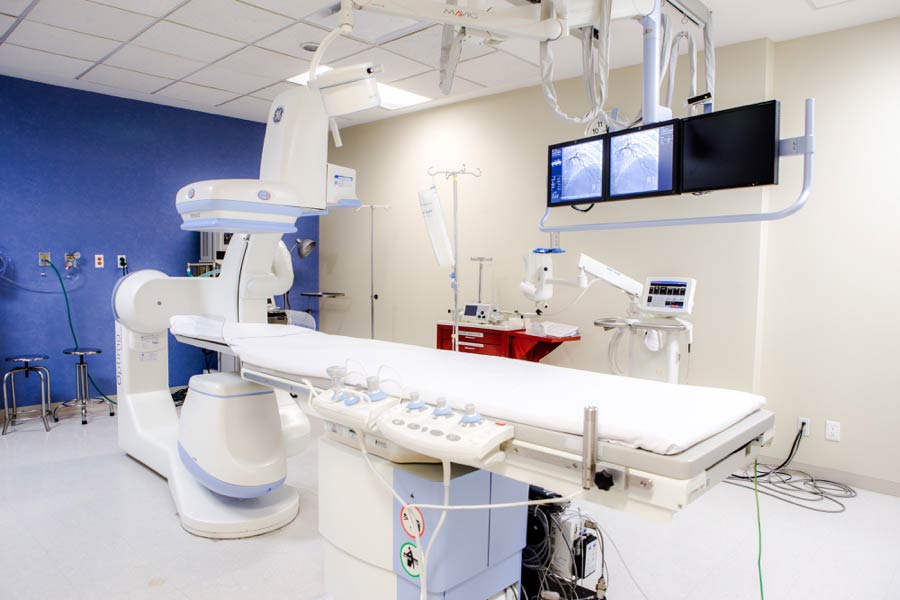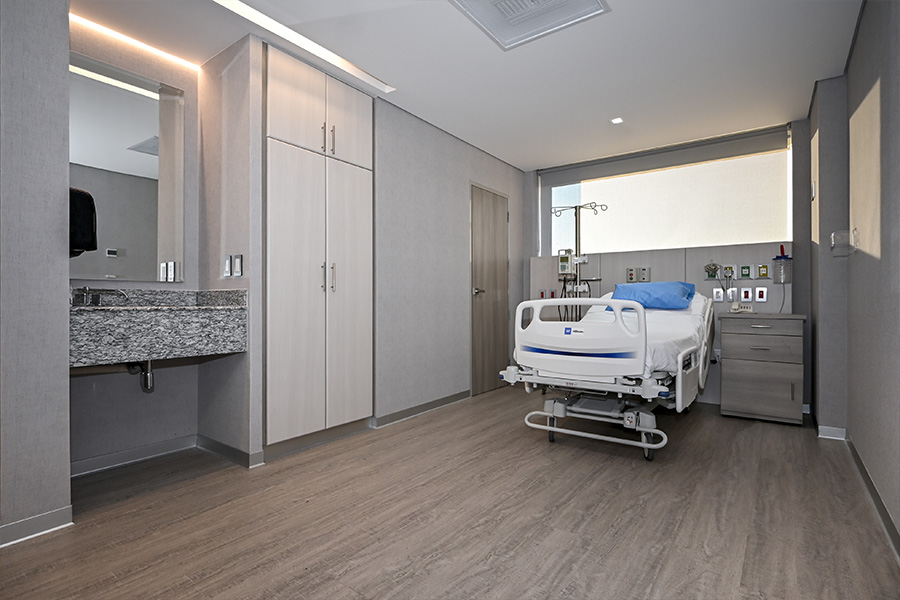
At Hospital Angeles, interventional and vascular radiology teams work together to translate medical images into clinical decisions that provide the best possible care for patients with minimal impact. They use imaging guidance—such as ultrasound, CT scans, and fluoroscopy—to diagnose and treat various diseases of the vascular system and other organs using minimally invasive techniques. This approach allows for the resolution of complex problems with shorter hospital stays, faster recovery, and less pain than open surgical procedures.
 21 C. Bernardino del Razo, Ensueño, 76178 Santiago de Querétaro, Querétaro, México
 +52 442 192 3000
Ext. 5123
+52 442 192 3000
Ext. 5123
 24 hours a day, 365 days a year
Vascular radiology and interventional radiology is a medical specialty that uses imaging techniques to diagnose and treat diseases of the blood vessels and other systems in the body.
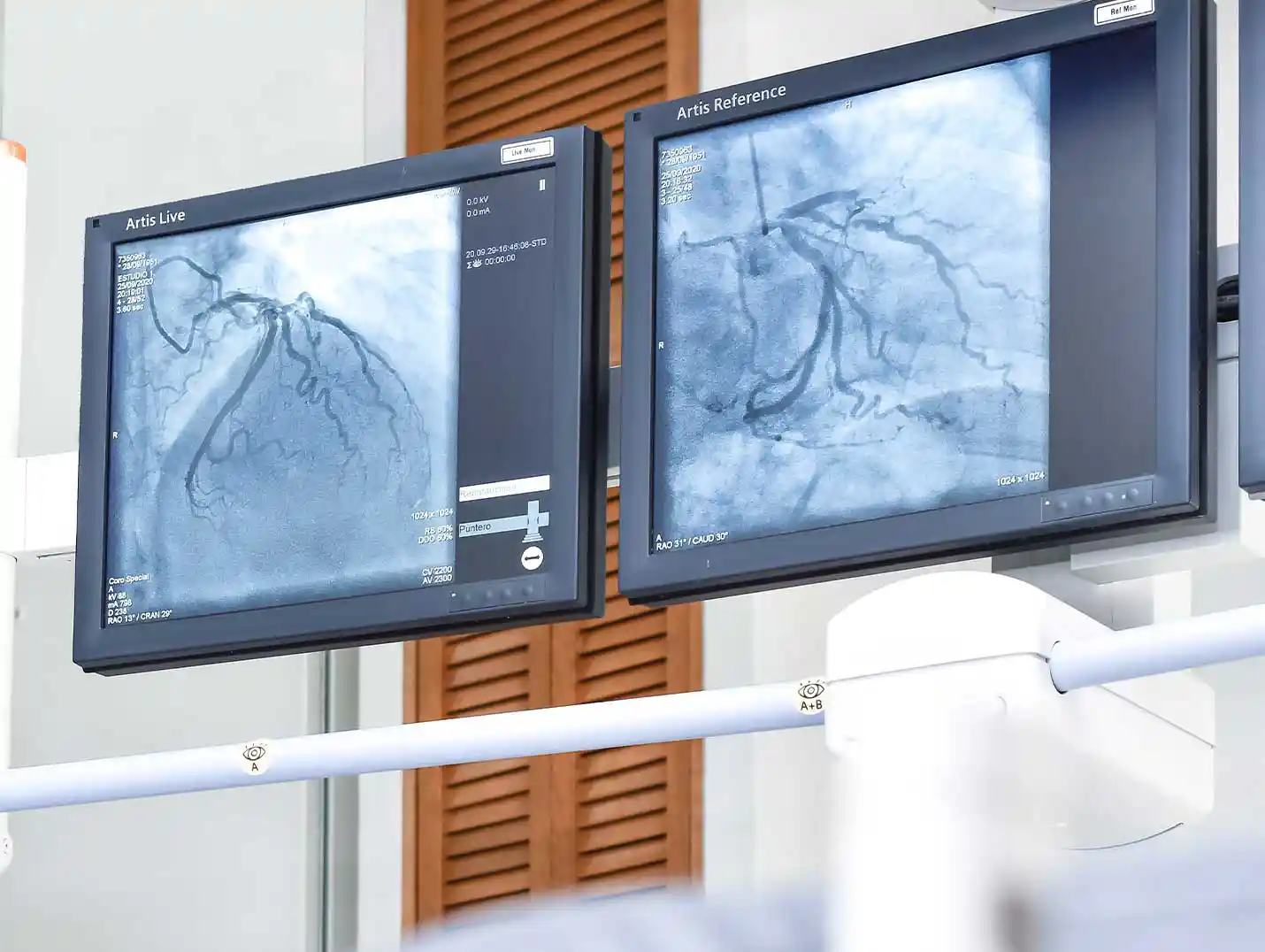
The services offered by vascular radiology and interventional radiology include angiography, embolization, stent placement, and treatment of vascular malformations, among others.
Vascular radiology and interventional radiology are of vital importance because they enable minimally invasive procedures, thereby avoiding major surgery and reducing patients' recovery time.
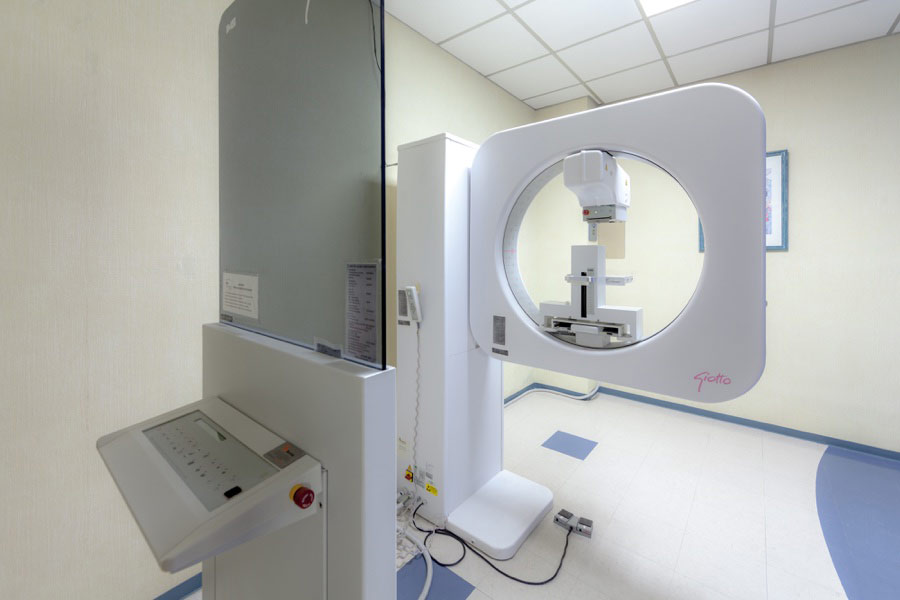
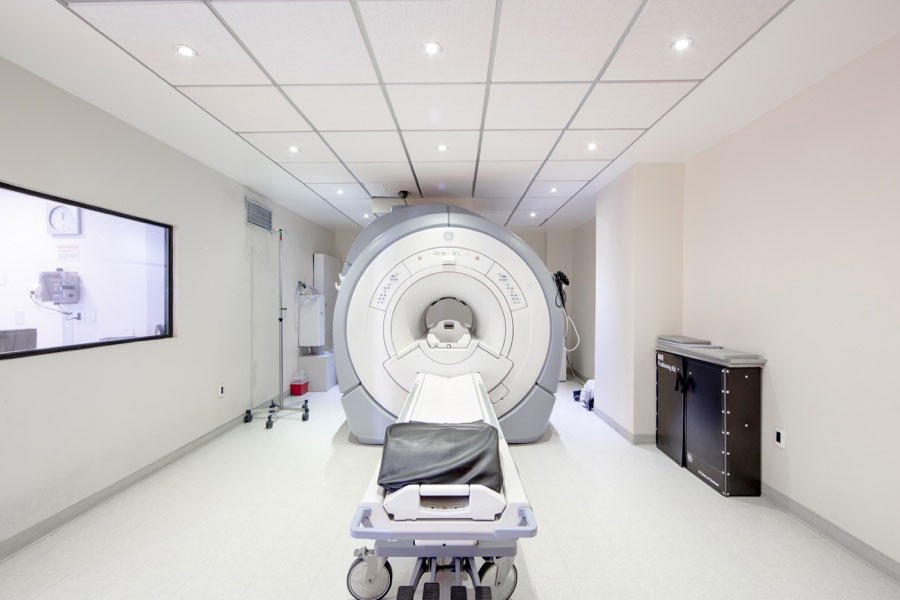
Vascular radiology and interventional radiology procedures are performed using imaging techniques, such as X-rays, computed tomography (CT), or magnetic resonance imaging (MRI), to guide the placement of catheters and other instruments through blood vessels.
Vascular radiology and interventional radiology can be used to treat medical conditions such as aneurysms, arterial blockages, vascular tumors, and liver and kidney diseases, among others.