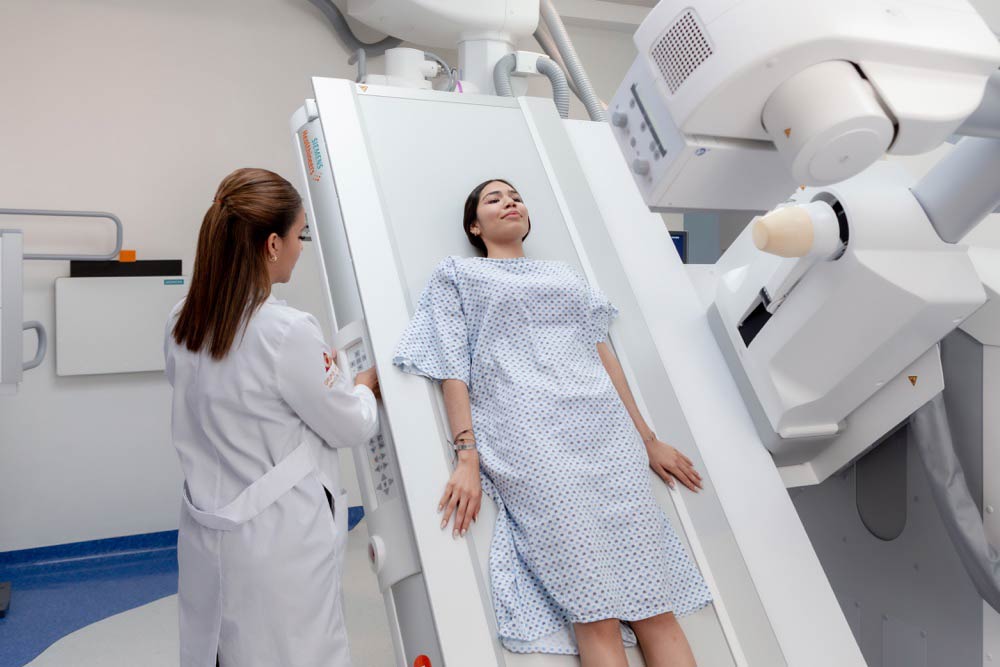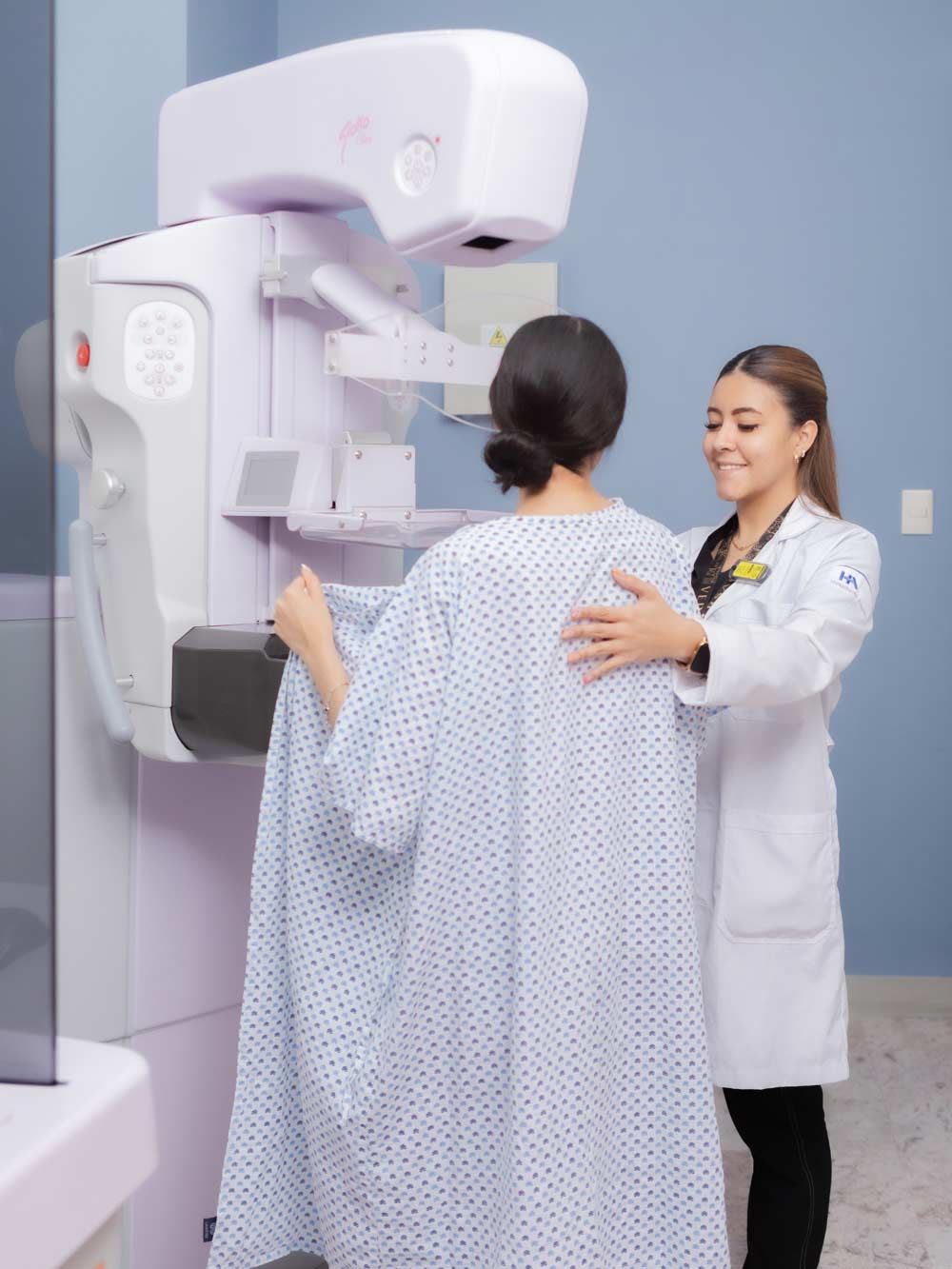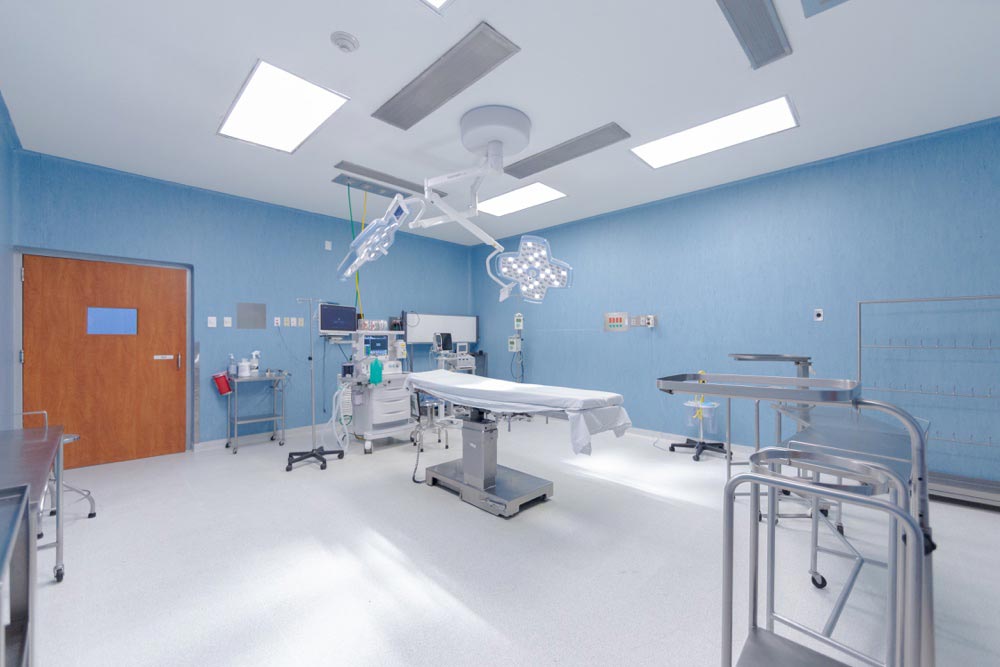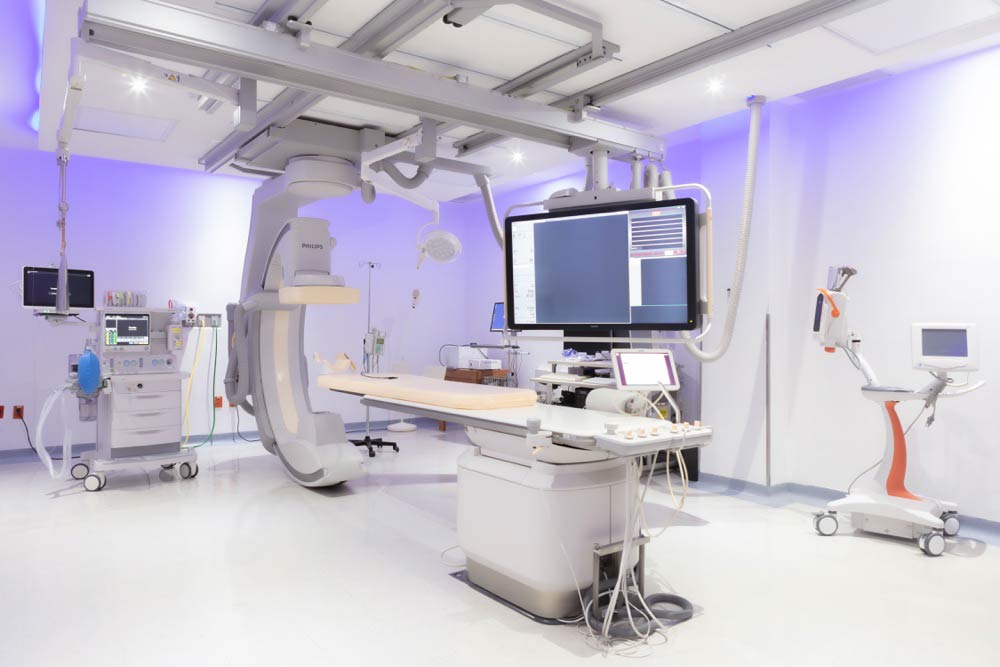
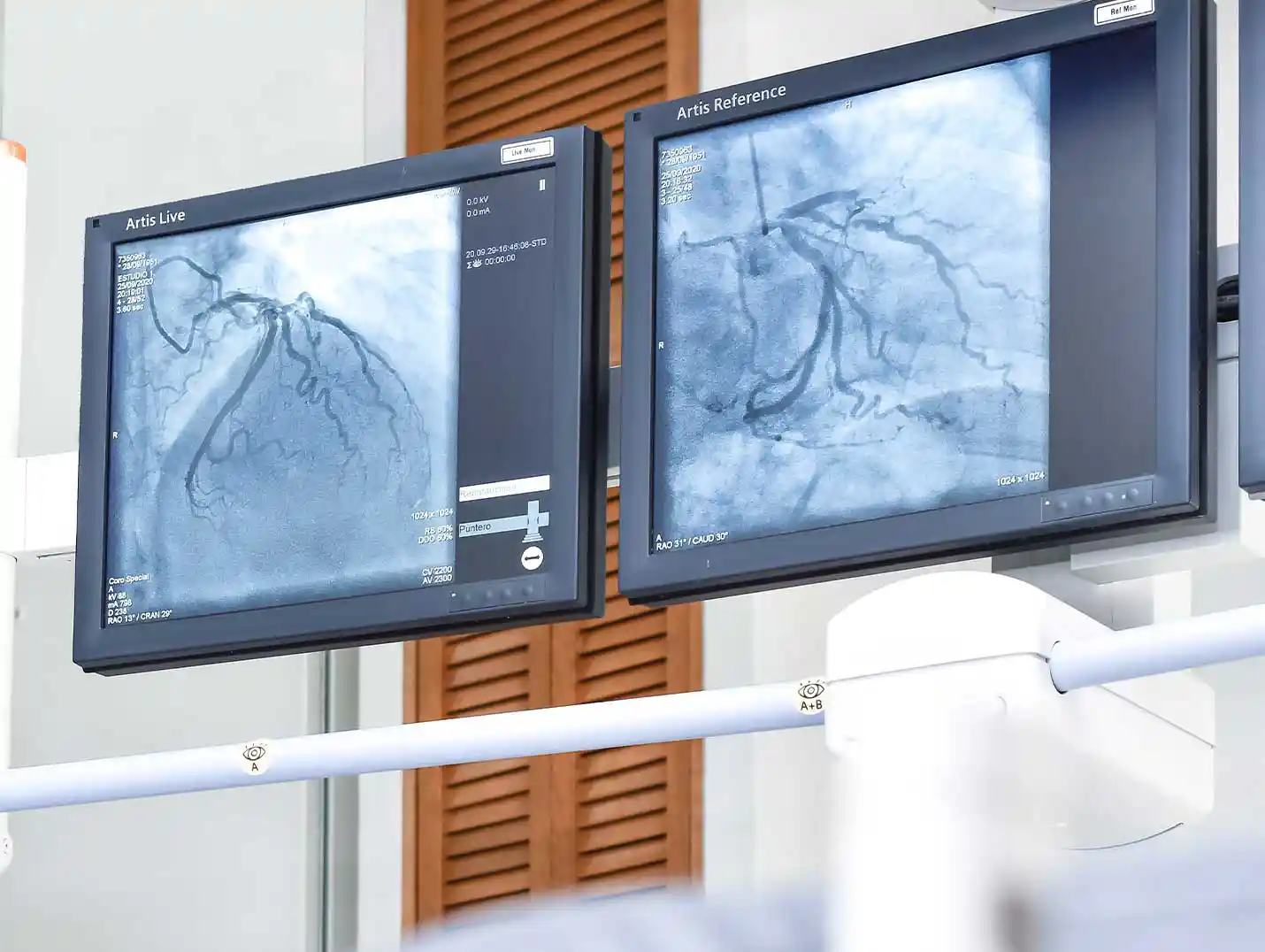
At Hospital Angeles, interventional and vascular radiology teams work together to translate medical images into clinical decisions that provide the best possible care for patients with minimal impact. They use imaging guidance—such as ultrasound, CT scans, and fluoroscopy—to diagnose and treat various diseases of the vascular system and other organs using minimally invasive techniques. This approach allows for the resolution of complex problems with shorter hospital stays, faster recovery, and less pain than open surgical procedures.
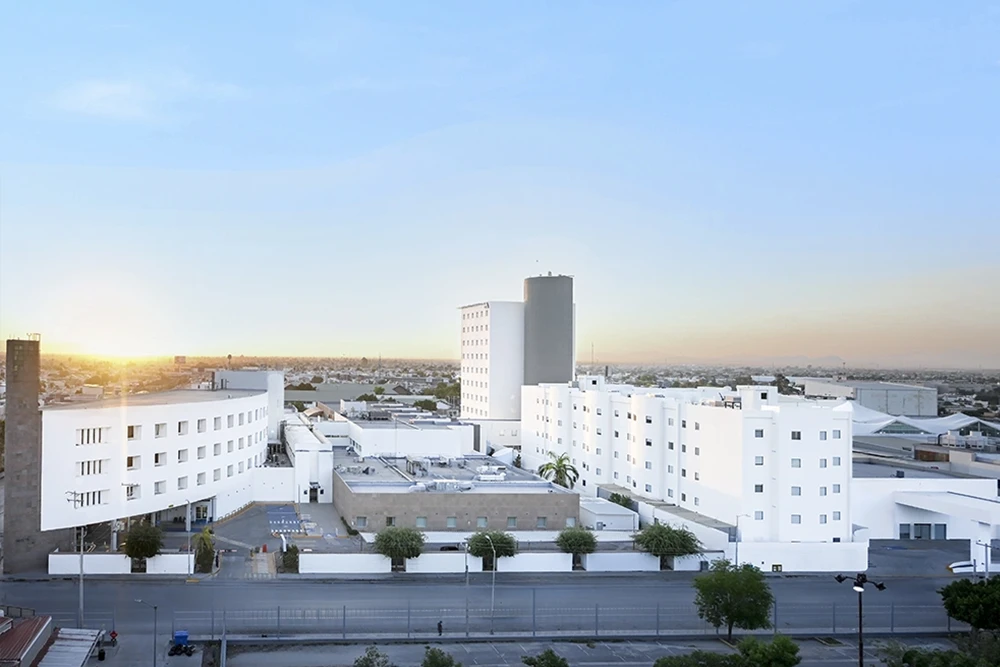
 909 Paseo del Tecnológico, Residencial Tecnológico, 27250 Torreón, Coahuila, México
 +52 871 729 0400
Ext. 416
+52 871 729 0400
Ext. 416
 24 hours a day, 365 days a year
Vascular Radiology and Interventional Radiology is a medical specialty that uses imaging techniques to diagnose and treat diseases of the blood vessels and other medical conditions through minimally invasive procedures.
This service is used to treat a wide variety of medical conditions, including arterial and venous diseases, aneurysms, vascular malformations, thrombosis, and embolisms, among others.
Some of the most common procedures performed in Vascular Radiology and Interventional Radiology include angioplasty, stent placement, embolization, thrombectomy, image-guided biopsies, and abscess drainage, among others.
Vascular Radiology and Interventional Radiology offer numerous benefits, including less invasive procedures, shorter recovery times, a lower risk of complications, less postoperative pain and discomfort, and the ability to treat patients who are not candidates for open surgery.
The medical team will provide you with specific instructions on how to prepare for your procedure. These may include dietary restrictions, stopping certain medications, fasting before the procedure, and the need to have someone accompany you for transportation afterward. It is important to follow all instructions provided by the medical team.