Positron Emission Tomography (PET-CT)

Positron Emission Tomography (PET-CT)

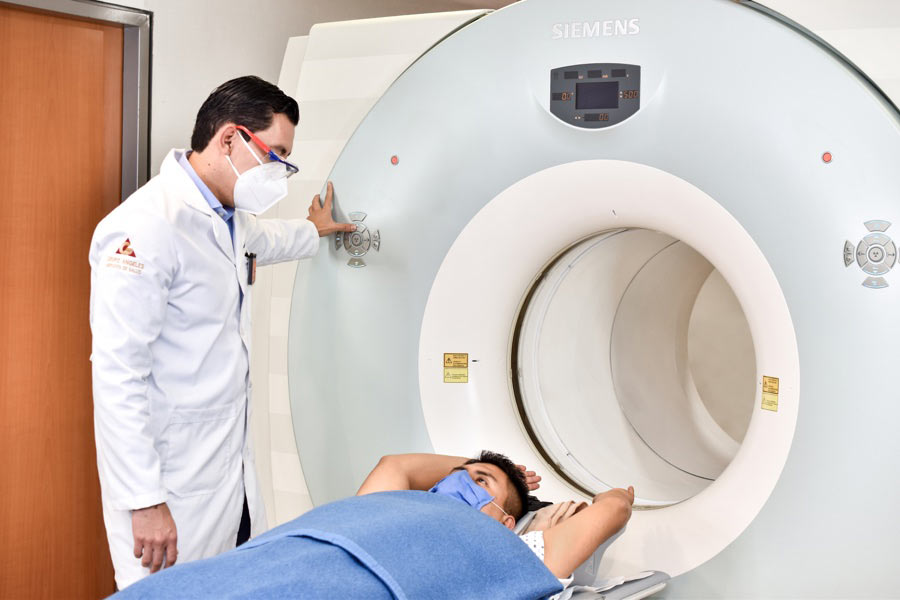
Positron emission tomography (PET) is a nuclear medicine test that combines metabolic and anatomical imaging in a single scan. At the Hospital Angeles PET service, Hospital Angeles standardized protocols and advanced technology to locate lesions, measure their biological activity, and correlate it with bodily structures. This technique is essential in oncology, as it allows us to assess disease spread, evaluate response to treatment, and plan therapies with greater precision—always with safety and specialized care.
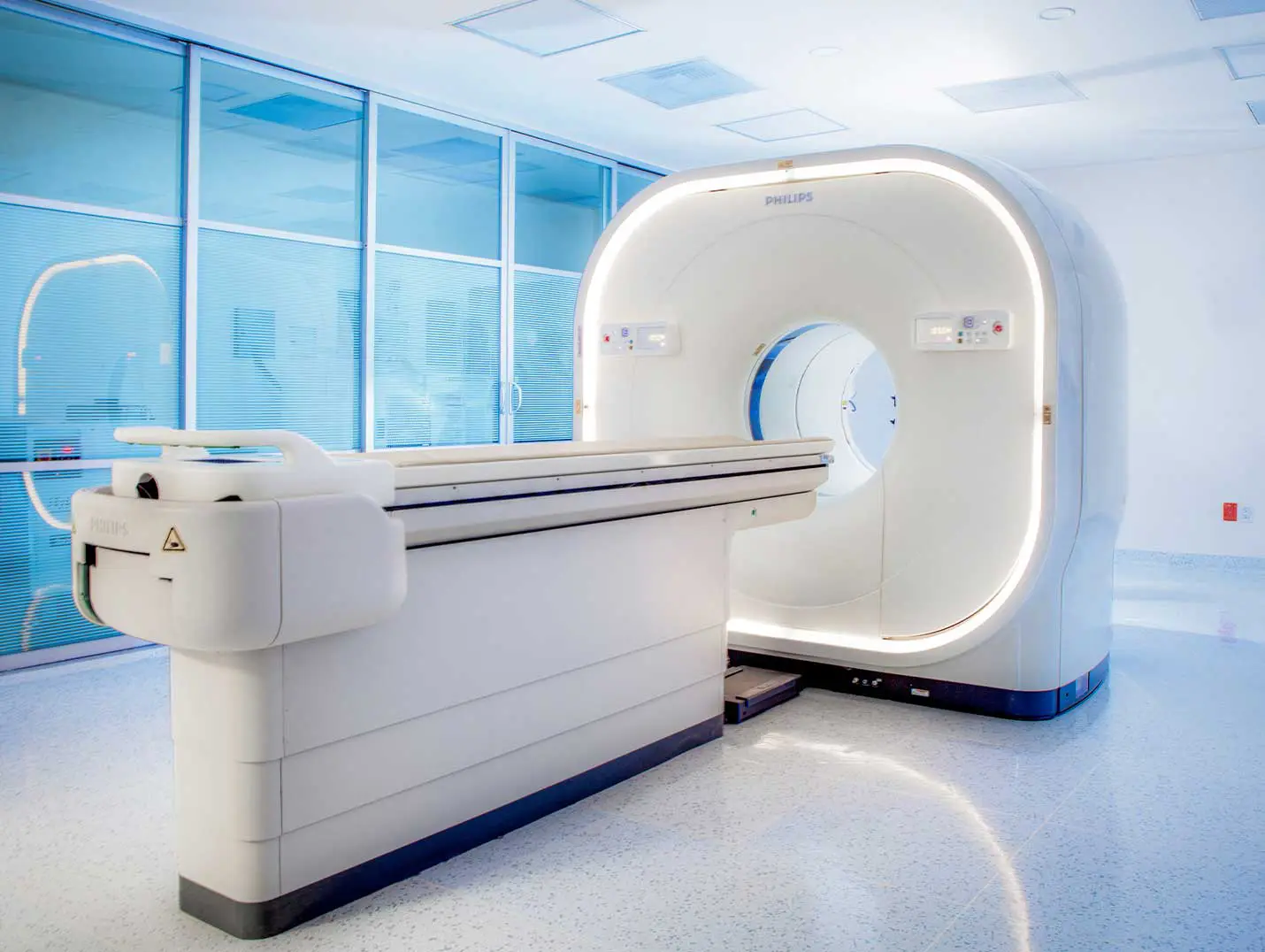


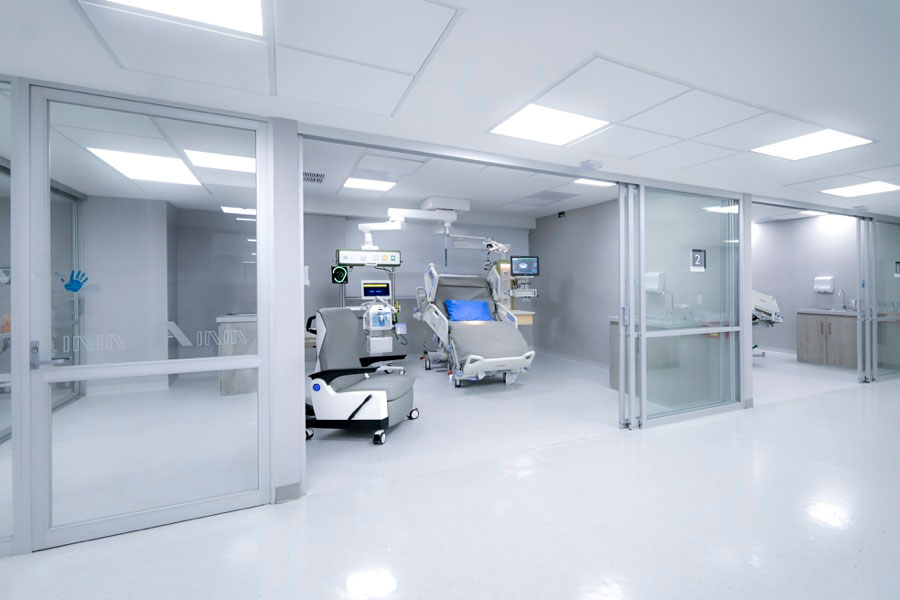
A spacious white room with glass doors and white CT scanning equipment A spacious white room with glass doors and white CT scanning equipment

Blue location pin icon on a white background. 59 Tlacotalpan Street, Roma , 06760 México City, CDMX

+52 55 5265 1800 Ext. 1093

2:00 p.m. to 9:00 p.m.

Positron Emission Tomography (PET) combines metabolic and anatomical imaging in a single scan to provide a comprehensive view of the body, thereby facilitating more accurate diagnoses and timely treatment decisions.

Our PET service at Hospital Angeles Metropolitano is designed to locate lesions, measure their biological activity, and correlate it with bodily structures, helping medical specialists plan treatments with greater precision. This nuclear medicine technology is essential in oncology because it allows for the assessment of disease extent, monitoring of response to chemotherapy or radiation therapy, and early detection of relapses; furthermore, it supports the management of cardiac and neurological conditions when detailed knowledge of tissue function is required.

Before the procedure, a low-dose radioactive tracer is typically administered, and simple preparation guidelines—such as fasting and managing specific medications—are followed to ensure optimal and safe imaging for each patient. The fusion of PET and CT makes it possible to detect metabolic abnormalities even when structural changes are not yet evident, which accelerates the diagnostic process and offers advantages for personalized care. At Hospital Ángeles Metropolitano, the study is conducted under standardized protocols, with professional support and clear communication at every step of the process.

The combination of high functional sensitivity and detailed anatomical reference makes positron emission tomography a valuable tool for clinical follow-up, tumor staging, preoperative planning, and assessment of therapeutic response. Our team strives to reduce wait times, optimize the patient experience, and provide reliable reports for your treating physician. If your specialist has ordered a PET-CT, our service offers advanced technology, trained staff, and a care process focused on your safety.

For more information or to schedule your appointment at Hospital Angeles Metropolitano, you can request the service and receive guidance on prerequisites, approximate study times, and follow-up recommendations.

Frequently Asked Questions

Positron emission tomography (PET-CT) is an imaging technique that combines computed tomography (CT) and positron emission tomography (PET) to produce detailed images of the inside of the body.

Positron emission tomography (PET-CT) is primarily used to detect and evaluate conditions such as cancer, heart disease, and neurological disorders. It is also used to assess response to treatment and plan surgeries.

During the procedure, the patient is injected with a small amount of a radioactive substance called a tracer. A series of images is then taken using a machine that combines computed tomography (CT) and positron emission tomography (PET).

Yes, positron emission tomography (PET-CT) is a safe procedure. However, because it uses radiation, there is a small risk of radiation exposure. The benefits of the procedure usually outweigh the risks.

Yes, before the procedure, you need to follow certain instructions, such as avoiding food and drink for several hours before the exam and avoiding caffeine. It is also important to tell your doctor about any medications you are taking.

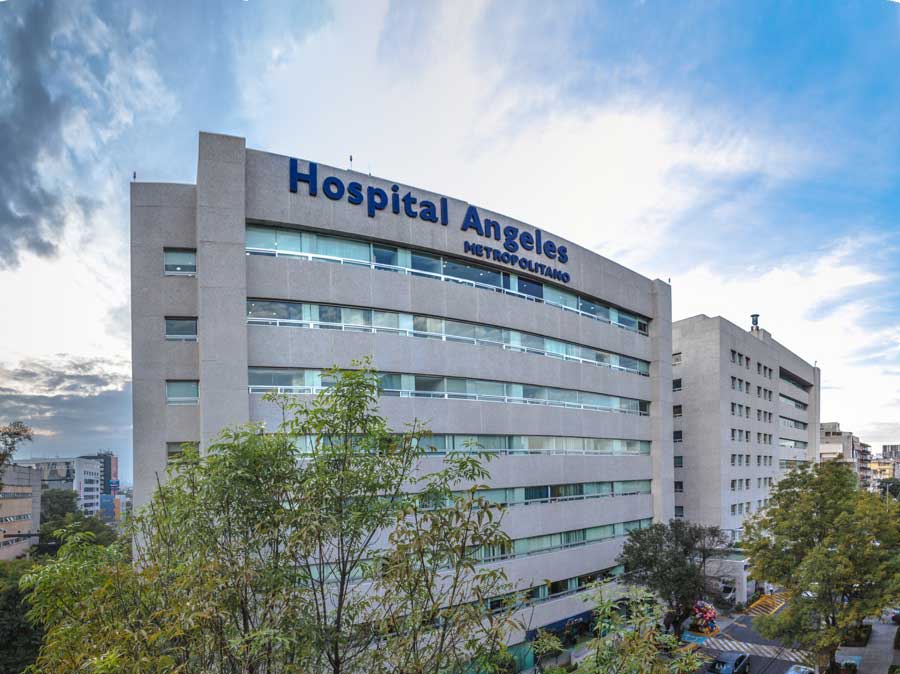
Hospitals that offer this service

An icon of a list inside a blue circle. Next to it is a white box with the word "contact"