Positron Emission Tomography (PET-CT)

Positron Emission Tomography (PET-CT)

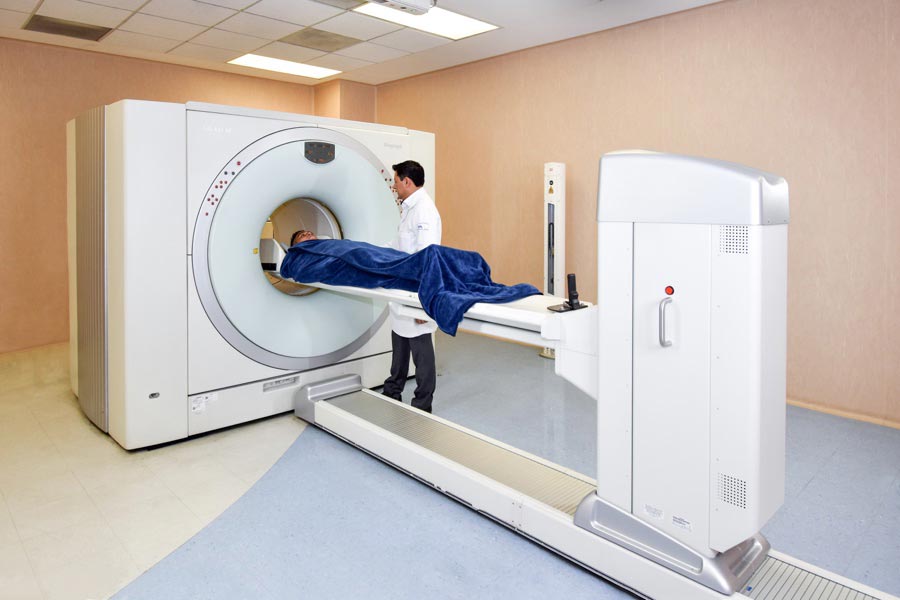
Positron emission tomography (PET) is a nuclear medicine test that combines metabolic and anatomical imaging in a single scan. At the Hospital Angeles PET service, Hospital Angeles standardized protocols and advanced technology to locate lesions, measure their biological activity, and correlate it with bodily structures. This technique is essential in oncology, as it allows us to assess disease spread, evaluate response to treatment, and plan therapies with greater precision—always with safety and specialized care.
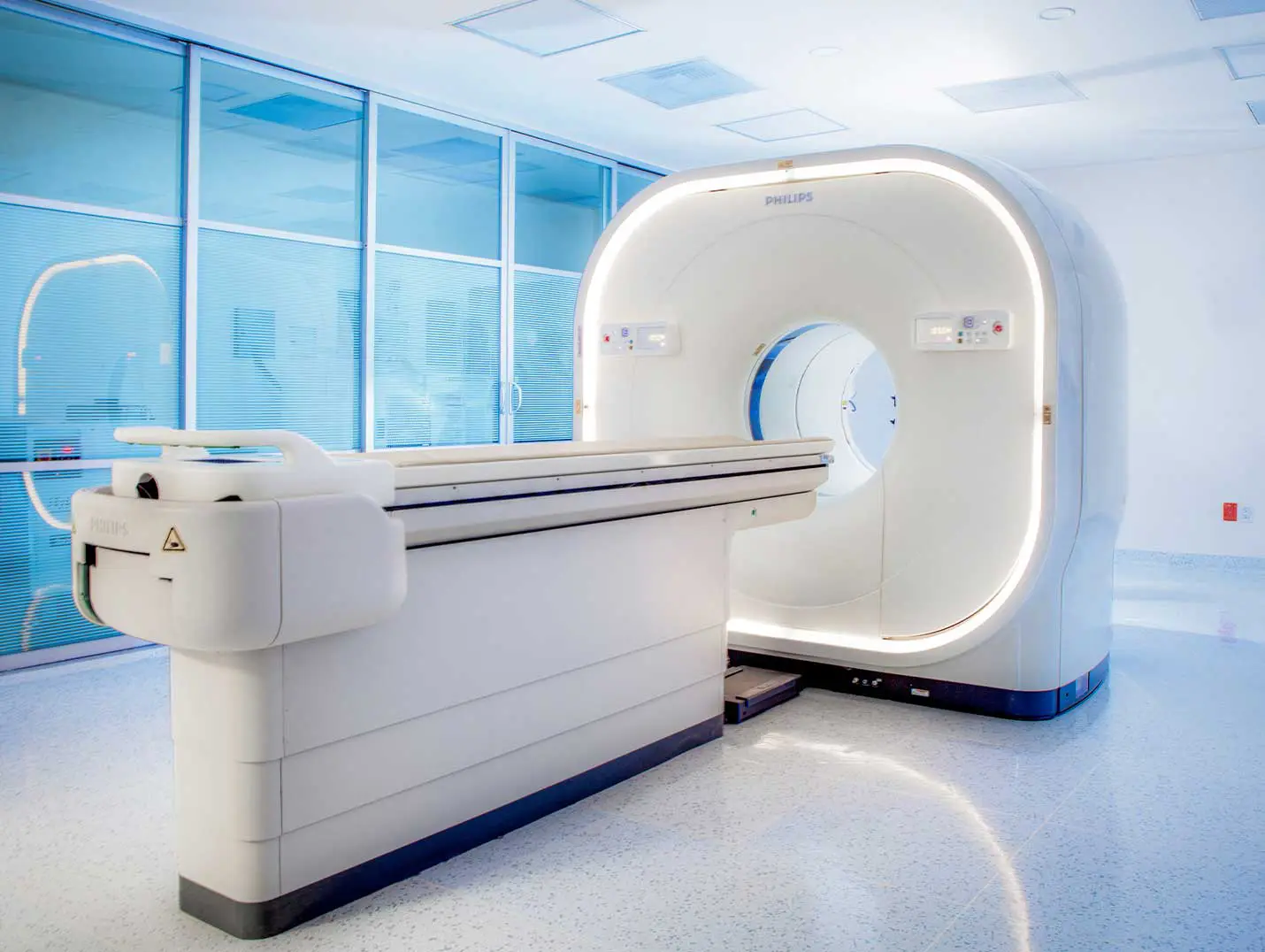


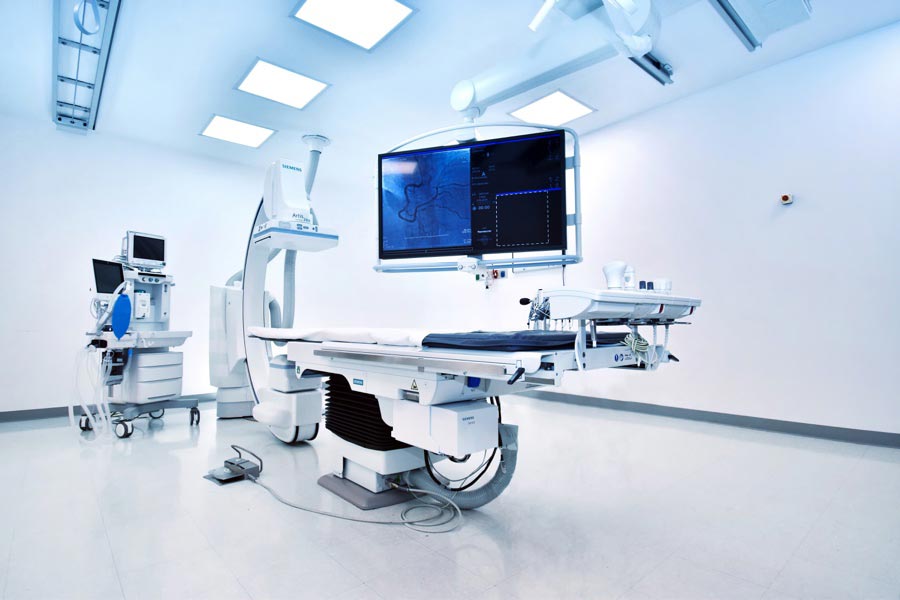
A spacious white room with glass doors and white CT scanning equipment A spacious white room with glass doors and white CT scanning equipment

Blue location pin icon on a white background. 2143 Kepler Ave., Atlixcáyotl Land Reserve, 72190 Puebla, Pue.

+52 222 303 6600 Ext. 2037 and 2036

Monday–Friday: 8:00 a.m.–6:00 p.m.

Positron Emission Tomography at Hospital Angeles Puebla PET-CT) combines metabolic and anatomical information in a single scan to provide a more comprehensive, timely, and reliable diagnostic imaging assessment.

Thanks to this nuclear medicine technology, it is possible to locate lesions, measure their biological activity, and correlate them with the body’s structures, allowing for a more precise assessment of how various diseases progress. Positron Emission Tomography is essential in oncology because it helps assess the extent of a tumor, evaluate response to treatment, and plan more effective therapies. Additionally, it can support the management of cardiac and neurological conditions when indicated by a physician. In this service, specialists apply standardized protocols and maintain safety measures to provide you with a high-quality experience, from pre-examination preparation to the interpretation of results, with the goal of reducing clinical uncertainty and accelerating therapeutic decisions.

In practical terms, the PET-CT procedure involves the administration of a radioactive tracer in controlled and safe doses, followed by image acquisition using a hybrid device that combines computed tomography (CT) and positron emission tomography (PET). This fusion allows for the observation of both the morphology and metabolic activity of tissues in a single study.

If your doctor has ordered a PET-CT to stage cancer, confirm recurrence, assess response to chemotherapy or radiation therapy, or to study specific inflammatory or infectious processes, at Hospital Angeles Puebla an environment designed to obtain images of high clinical value. Choosing a PET-CT scan is not just about seeing a lesion, but about understanding its biological activity, anticipating its behavior, and planning treatment with greater precision.

With attentive care, safety standards, and a well-defined care pathway, Hospital Angeles Puebla you an imaging service that combines diagnostic accuracy with human warmth—key elements for navigating the diagnostic and treatment process with peace of mind and professional support.

Frequently Asked Questions

Positron emission tomography (PET-CT) is an imaging technique that combines computed tomography (CT) and positron emission tomography (PET) to produce detailed images of the inside of the body.

Positron emission tomography (PET-CT) is primarily used to detect and evaluate conditions such as cancer, heart disease, and neurological disorders. It is also used to assess response to treatment and plan surgeries.

During the procedure, the patient is injected with a small amount of a radioactive substance called a tracer. A series of images is then taken using a machine that combines computed tomography (CT) and positron emission tomography (PET).

Yes, positron emission tomography (PET-CT) is a safe procedure. However, because it uses radiation, there is a small risk of radiation exposure. The benefits of the procedure usually outweigh the risks.

Yes, before the procedure, you need to follow certain instructions, such as avoiding food and drink for several hours before the exam and avoiding caffeine and tobacco. It is also important to tell your doctor about any medications you are taking.


Hospitals that offer this service

An icon of a list inside a blue circle. Next to it is a white box with the word "contact"