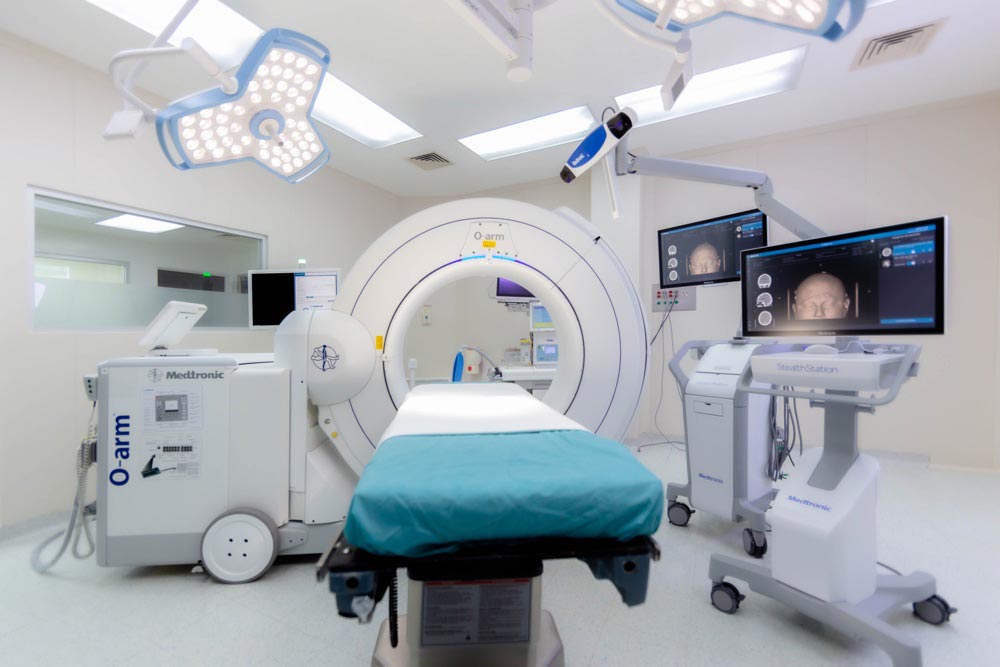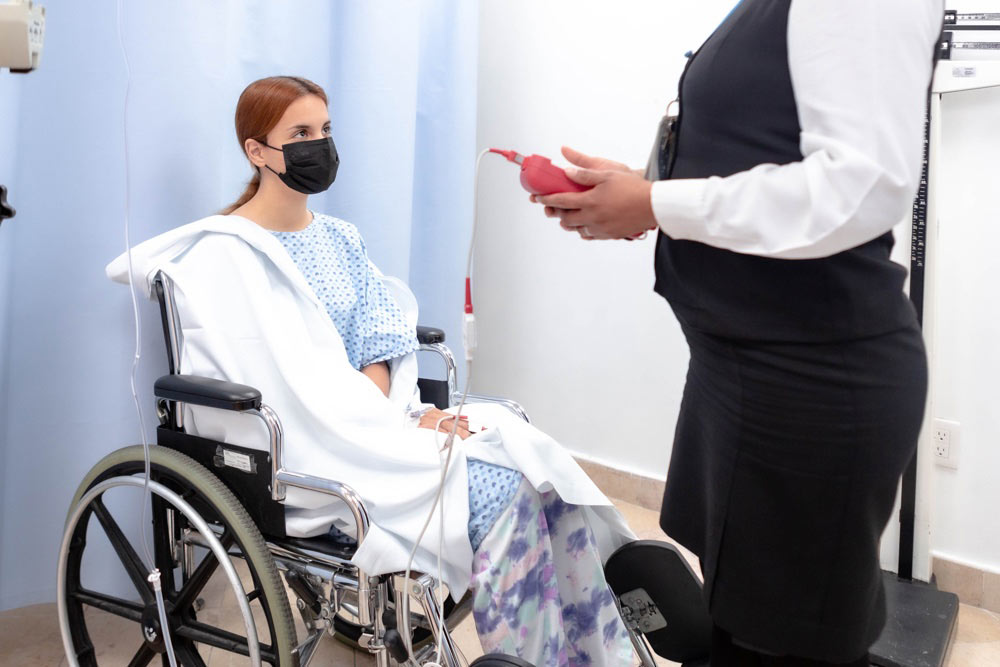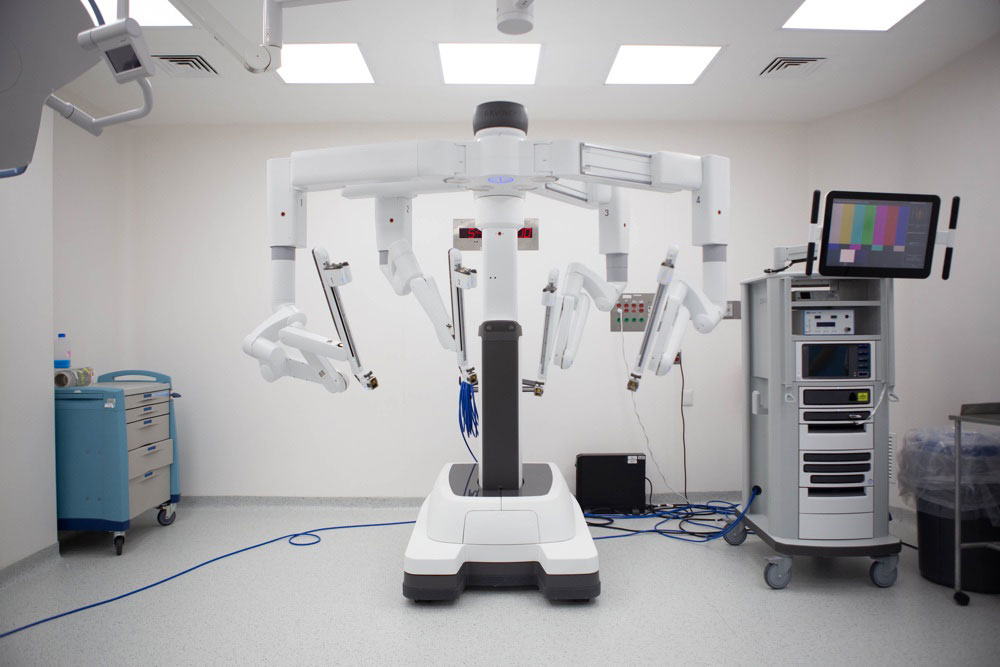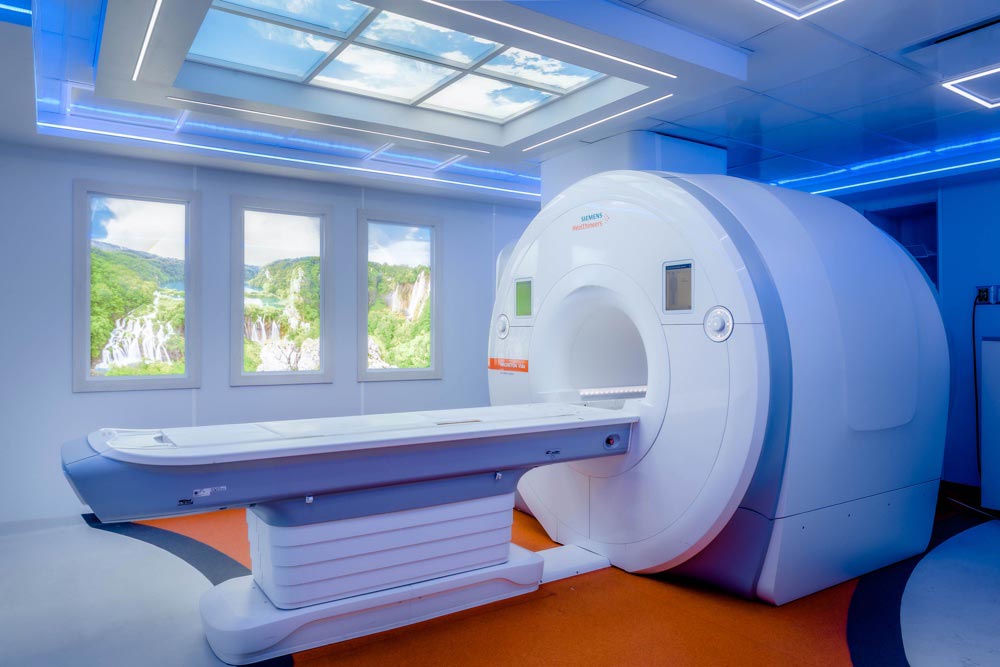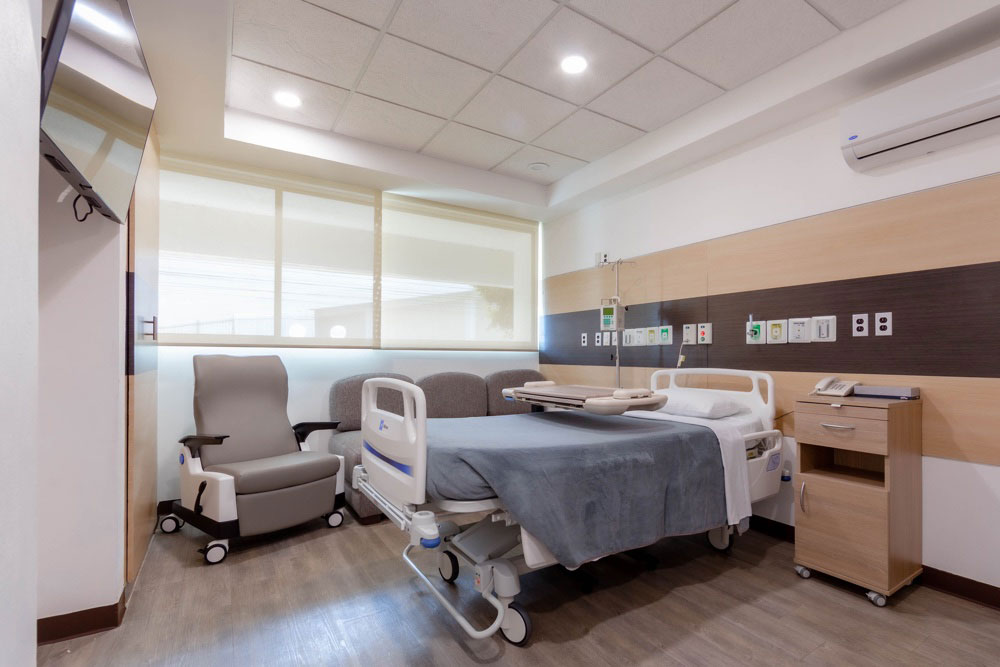
Neurophysiology provides diagnostic assessments by using specialized technology to examine the central nervous system (brain and spinal cord), the peripheral nervous system (nerves and senses), and the autonomic nervous system, offering a comprehensive analysis.
 3435 Tarascos Street, Monraz, 44670 Guadalajara, Jalisco
 +52 33 3813 0042
Ext. 2240
+52 33 3813 0042
Ext. 2240
 Monday through Friday, 9:00 AM to 2:00 PM and 4:00 PM to 7:00 PM.
Neurophysiology is a branch of medicine that studies the functioning of the nervous system and its disorders.
The most common tests performed in neurophysiology are electroencephalography (EEG), electromyography (EMG), and evoked potentials. These tests allow for the assessment of electrical activity in the brain, muscles, and nerves.
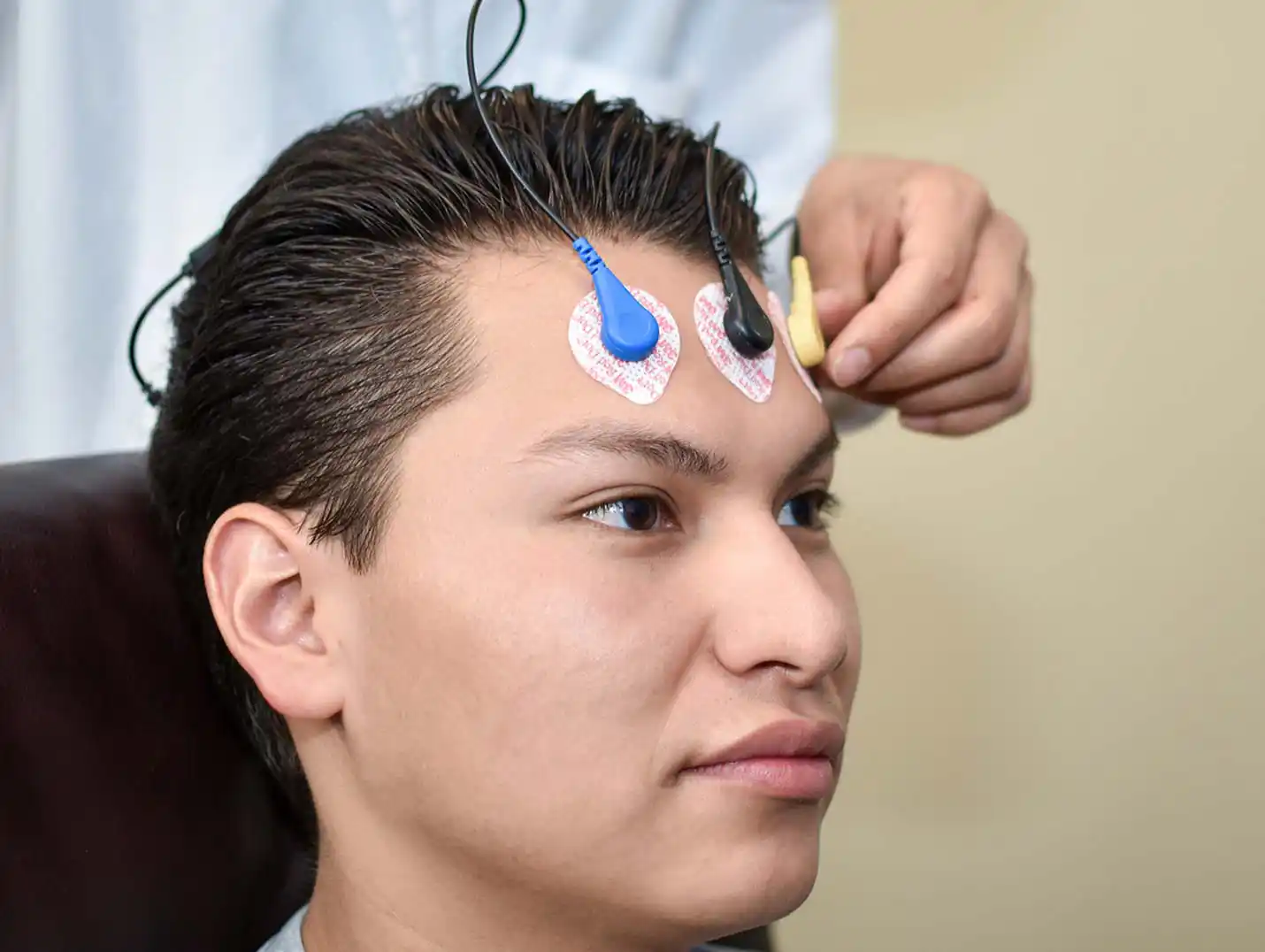
A neurophysiological study is conducted by placing electrodes on different parts of the body, such as the scalp, muscles, or skin. These electrodes record electrical activity and send the data to specialized equipment that interprets it.
No, neurophysiology tests are not painful. Placing the electrodes may cause slight discomfort, but it should not be painful. Furthermore, the procedure is safe and noninvasive.
The duration of a neurophysiology study can vary depending on the type of study and the patient's needs. In general, a study can last between 30 minutes and 2 hours.