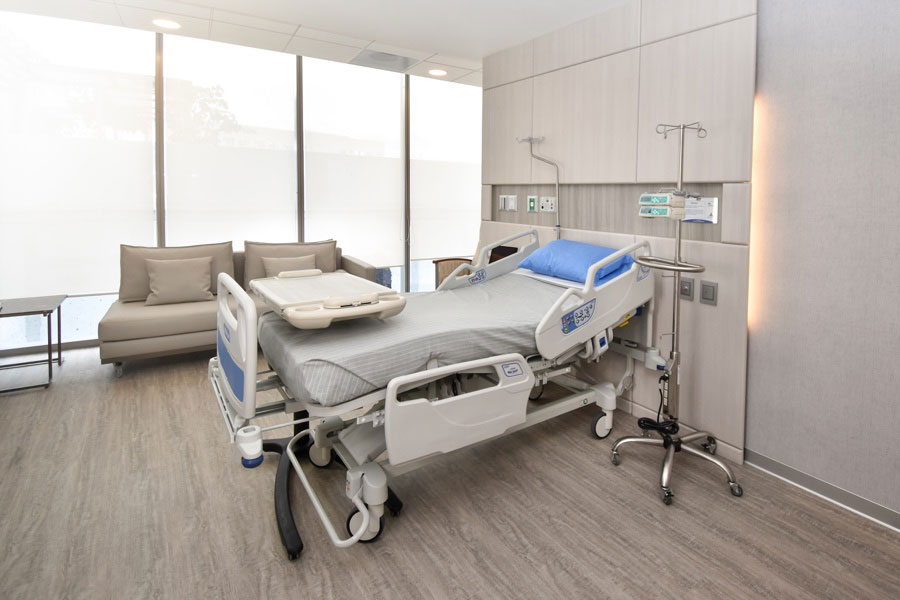
Neurophysiology provides diagnostic assessments by using specialized technology to examine the central nervous system (brain and spinal cord), the peripheral nervous system (nerves and senses), and the autonomic nervous system, offering a comprehensive analysis.
 Universidad Ave., Xoco, Benito Juárez, 03339 México City, CDMX
 +52 55 7256 9800
Ext. 5314
+52 55 7256 9800
Ext. 5314
 Monday through Friday, 8:00 a.m. to 8:00 p.m.; Saturday and Sunday, 8:00 a.m. to 1:00 p.m.
Neurophysiology is a branch of medicine that focuses on the study and diagnosis of disorders of the nervous system through the evaluation of the electrical and functional activity of the brain and nerves.
It is recommended to visit a neurophysiology clinic if you experience symptoms or suspect neurological disorders such as epilepsy, sleep disorders, or neuromuscular diseases, among others.
The goal of neurophysiological studies is to obtain detailed information about the functioning of the nervous system, thereby enabling the accurate diagnosis of various diseases and the planning of appropriate treatment.
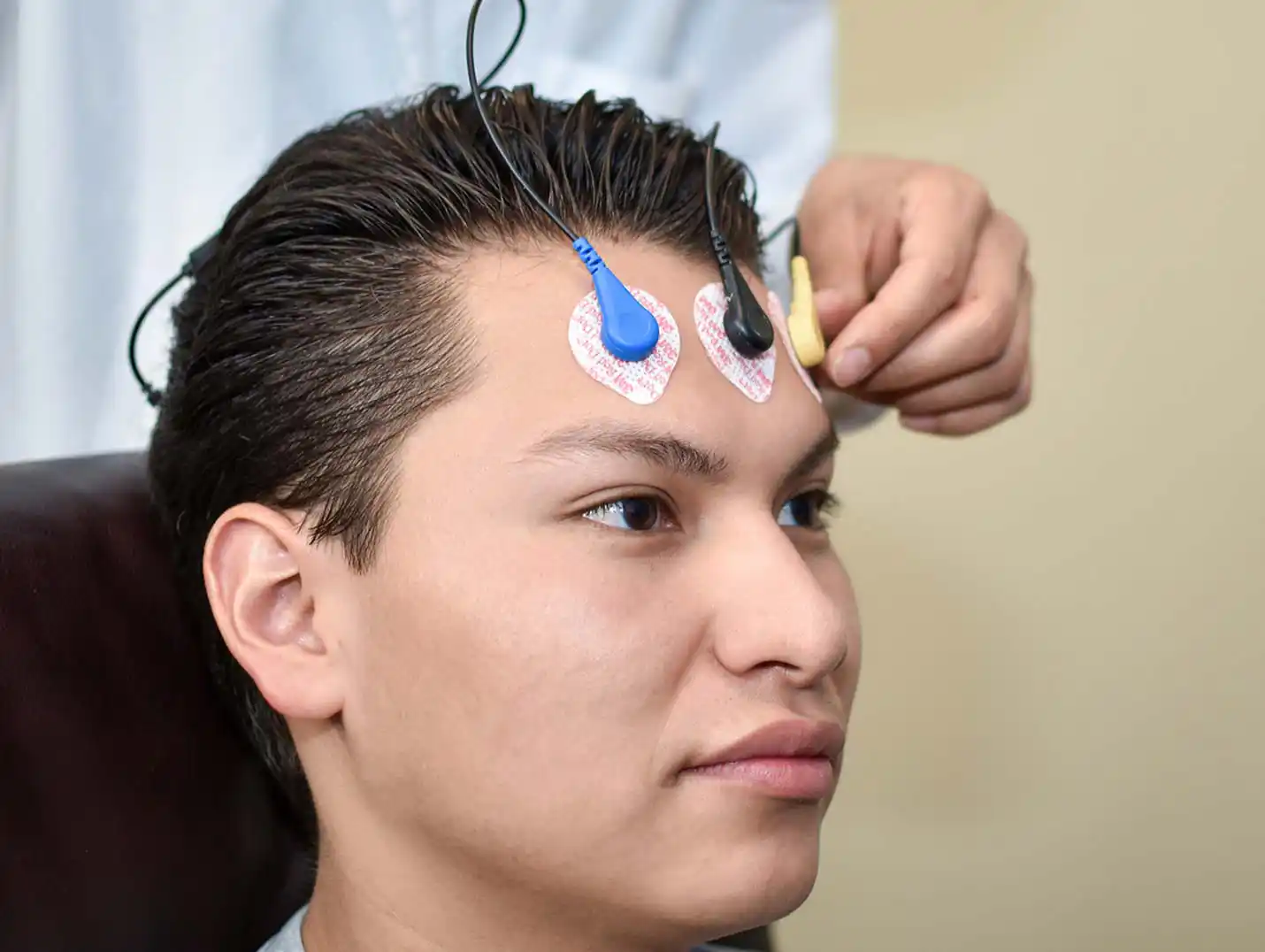
A neurophysiological study involves placing electrodes on the scalp or muscles to record the electrical activity of the brain or nerves. These recordings are analyzed by specialists to obtain information about the functioning of the nervous system.
No, a neurophysiological study is neither painful nor invasive. The placement of the electrodes may cause slight discomfort, but it does not cause pain. Furthermore, it is a safe procedure and has no significant side effects.