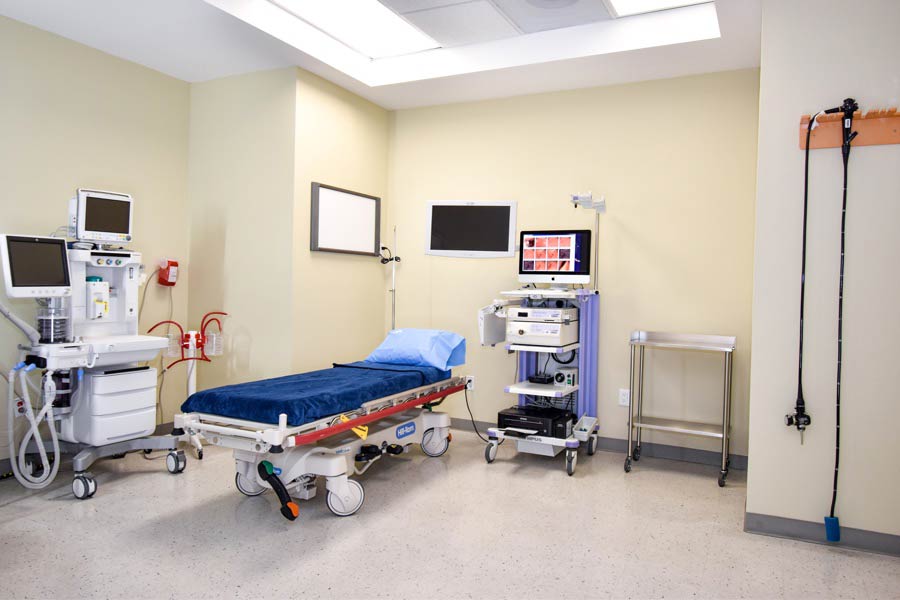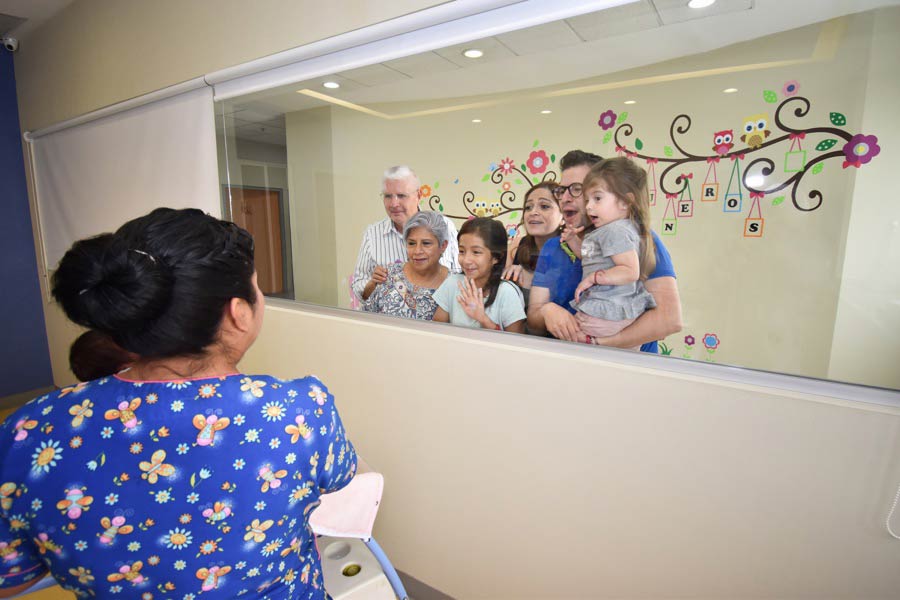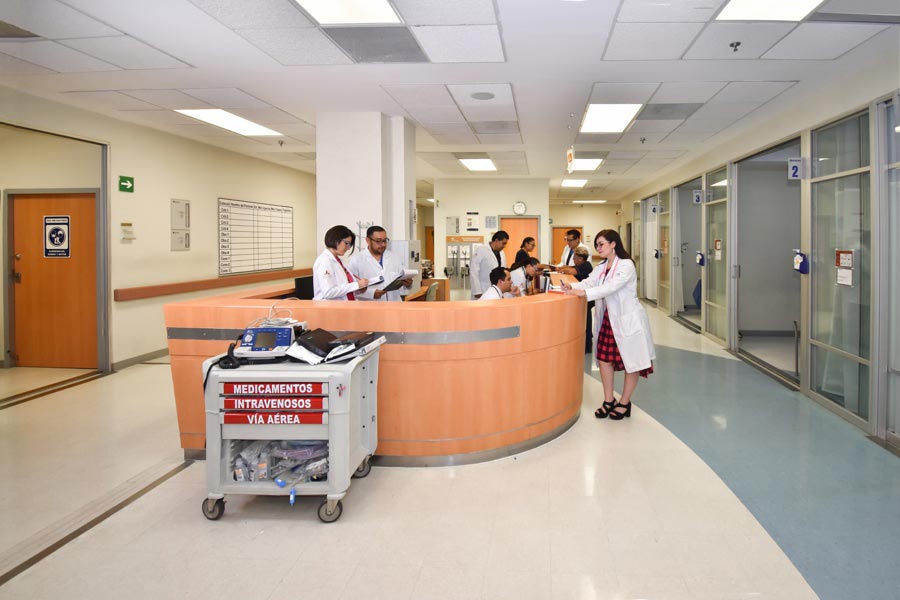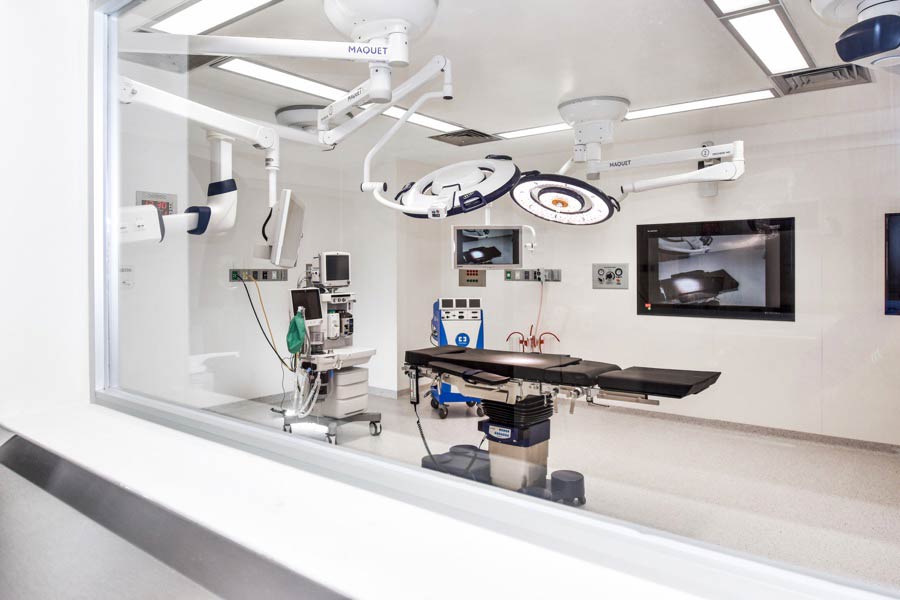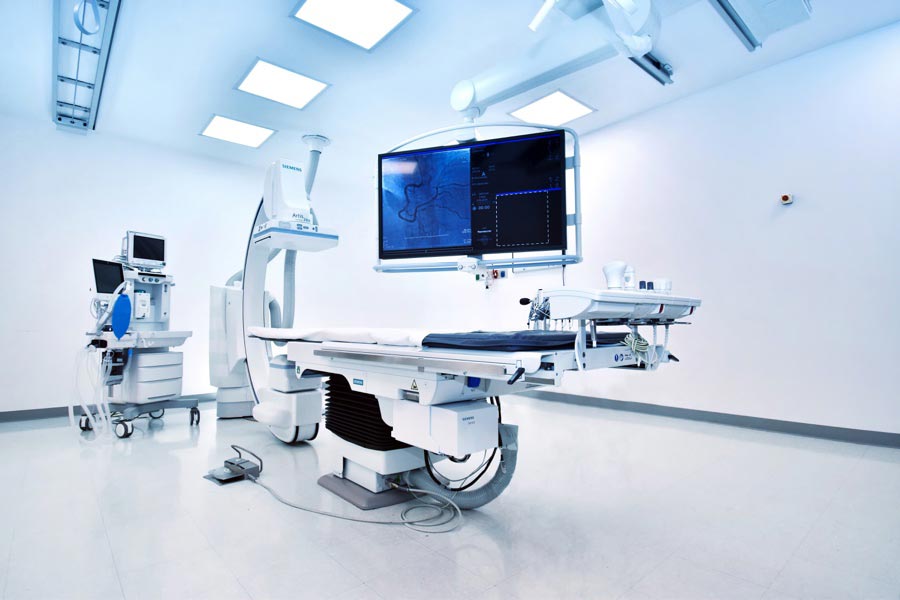
Neurophysiology provides diagnostic assessments by using specialized technology to examine the central nervous system (brain and spinal cord), the peripheral nervous system (nerves and senses), and the autonomic nervous system, offering a comprehensive analysis.
 2143 Kepler Ave., Atlixcáyotl Land Reserve, 72190 Puebla, Pue.
 +52 222 303 6600
Ext. 51894
+52 222 303 6600
Ext. 51894
 Monday, Wednesday, Friday, and Saturday: 10:00 a.m. to 2:00 p.m. Tuesday and Thursday: 5:00 p.m. to 7:00 p.m.
Our Neurophysiology Department focuses on the study and diagnosis of disorders of the nervous system. At Hospital Angeles Puebla a team of highly trained neurophysiology experts equipped with the most advanced technology to provide you with an accurate and reliable diagnosis.
Our neurophysiology department offers a wide range of tests and studies, including electroencephalograms (EEG), electromyograms (EMG), evoked potentials, and intraoperative monitoring. These tests allow us to evaluate the electrical activity of the brain, nerves, and muscles, which helps us identify and diagnose neurological conditions such as epilepsy, Parkinson’s disease, multiple sclerosis, and many others.
Our neurophysiology team is committed to providing you with quality service and personalized care. We work closely with other medical specialists to offer you a comprehensive approach to the diagnosis and treatment of your neurological disorders.
At Hospital Angeles Puebla the importance of an accurate and timely diagnosis for the proper management of your health. Trust our neurophysiology team for reliable results and excellent medical care. We are here to help you regain your well-being and quality of life.
Neurophysiology is a branch of medicine that studies the functioning of the nervous system and its disorders. It is used to diagnose and treat neurological diseases and disorders of the nervous system.
The most common tests performed in neurophysiology are electroencephalography (EEG), electromyography (EMG), and evoked potentials. These tests allow for the assessment of electrical activity in the brain, muscles, and nerves.
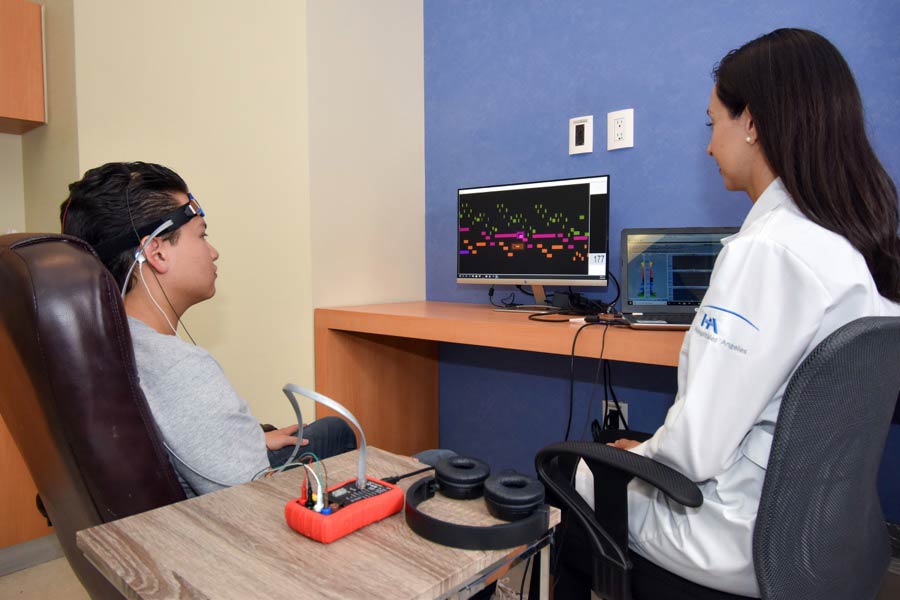
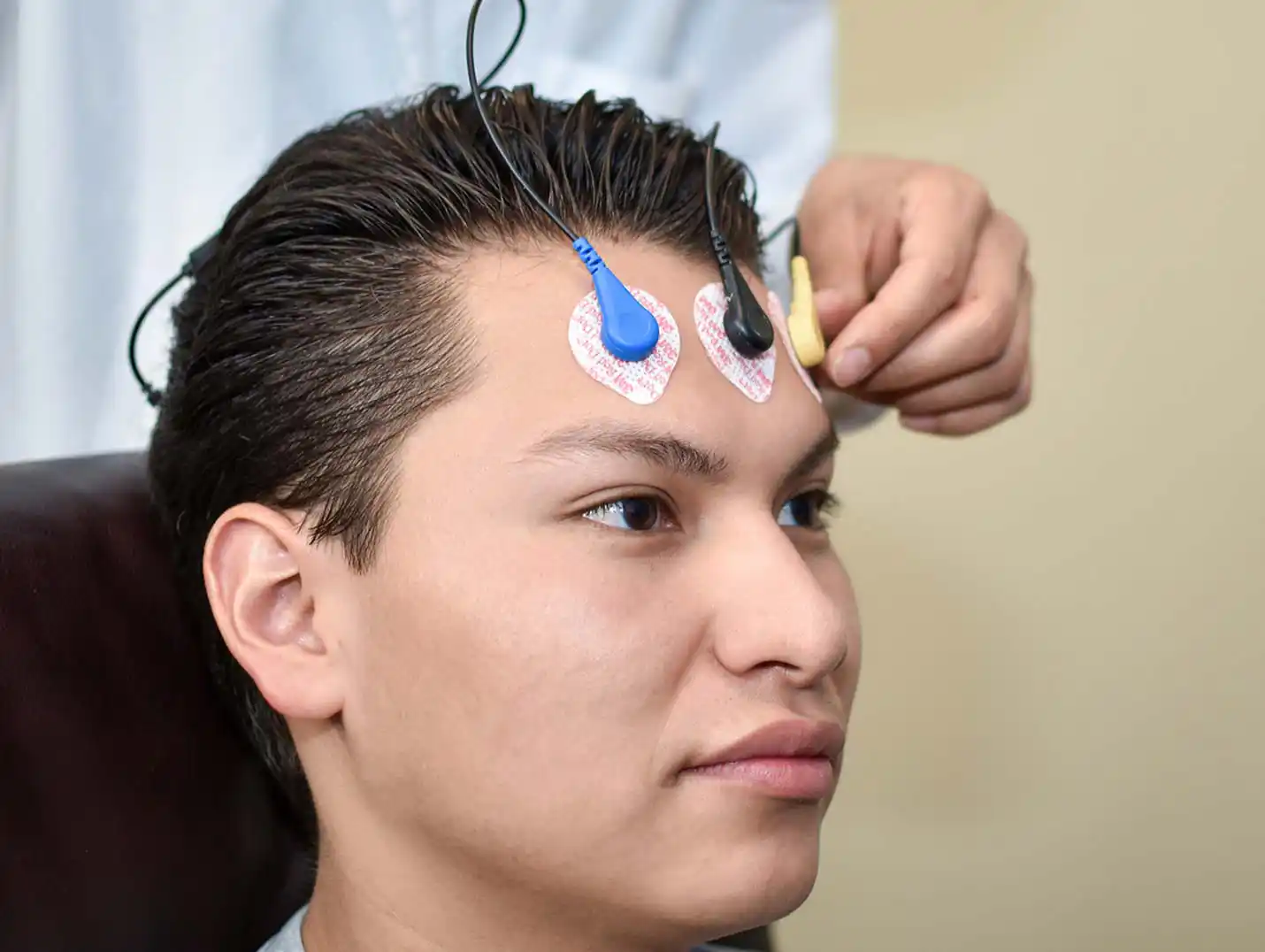
A neurophysiological study is performed by placing electrodes on different parts of the body, such as the scalp, muscles, or skin. These electrodes record electrical activity and send the information to specialized equipment that interprets it.
The duration of a neurophysiology study can vary depending on the type of study and the patient's needs. In general, it can last anywhere from 30 minutes to several hours.
In some cases, it is necessary to follow certain instructions before a neurophysiological test. For example, in the case of an electroencephalogram, the patient may be asked to avoid caffeine or certain medications before the test. It is important to follow the doctor’s instructions to ensure accurate results.