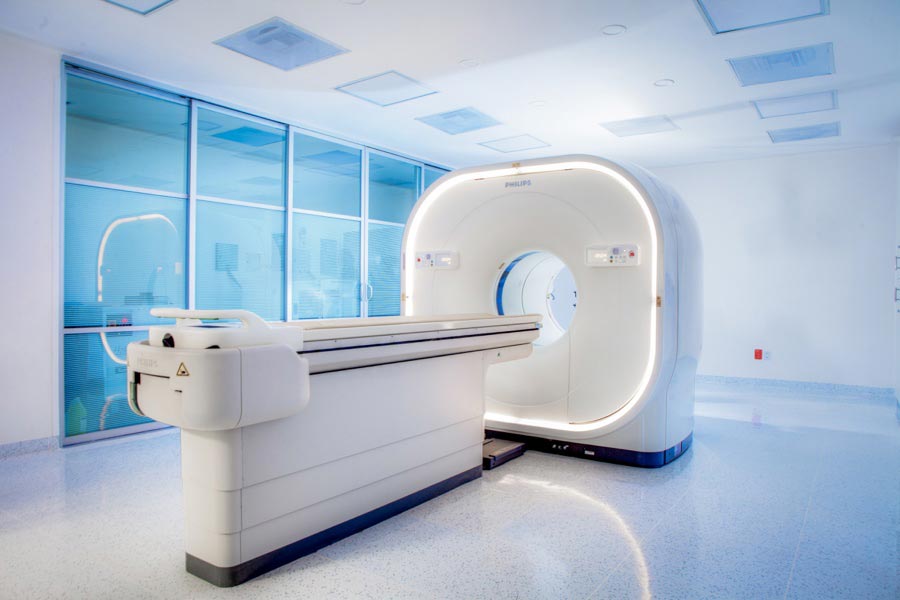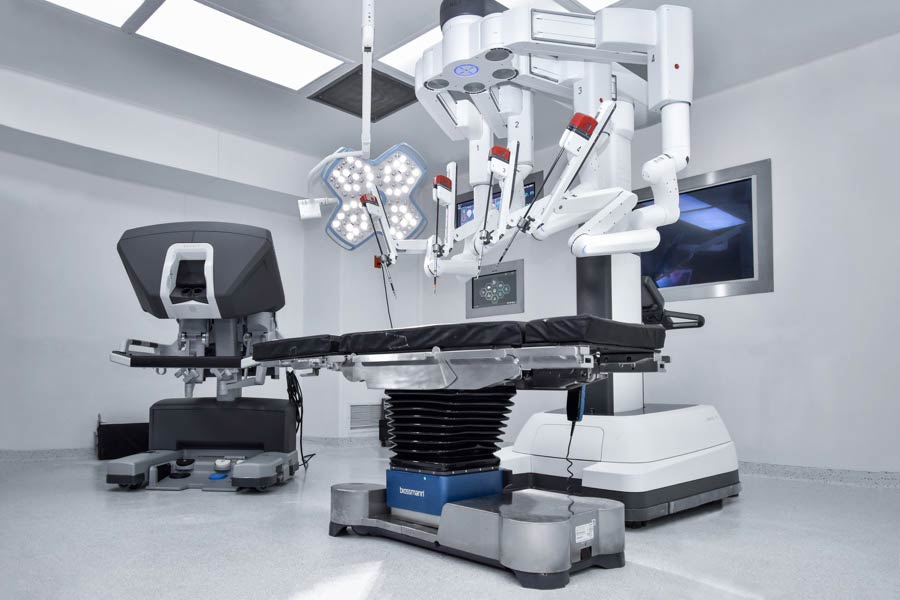
Neurophysiology provides diagnostic assessments by using specialized technology to examine the central nervous system (brain and spinal cord), the peripheral nervous system (nerves and senses), and the autonomic nervous system, offering a comprehensive analysis.
 1055-S Camino de Santa Teresa, Héroes de Padierna, 10700 México City.
 +52 55 5449 5500
Ext. 2525-2526-2530
+52 55 5449 5500
Ext. 2525-2526-2530
 Monday–Friday: 8:00 a.m.–8:00 p.m.
Neurophysiology is a specialized medical service that focuses on the study and diagnosis of disorders of the nervous system. At Hospital Angeles Pedregal a team of highly trained neurophysiology experts equipped with the most advanced technology to provide you with an accurate and reliable diagnosis.
Our Neurophysiology department offers a wide range of tests and studies, including electroencephalograms (EEG), electromyograms (EMG), evoked potentials, and intraoperative monitoring. These tests allow us to evaluate the electrical activity of the brain, nerves, and muscles, which helps us identify and diagnose neurological conditions such as epilepsy, Parkinson’s disease, multiple sclerosis, and many others. Our neurophysiology team is committed to providing you with quality service and personalized care. We work closely with other medical specialists to offer a comprehensive approach to the diagnosis and treatment of neurological disorders.
At Hospital Angeles Pedregal the importance of an accurate and timely diagnosis for the proper management of neurological diseases. Trust our neurophysiology team to provide a reliable diagnosis and a treatment plan tailored to your needs.
Neurophysiology is a branch of medicine that focuses on the study of the nervous system's functions and their relationship to the rest of the body.
Neurophysiology is used to diagnose and treat neurological disorders such as epilepsy, sleep disorders, movement disorders, and brain injuries.
The most common tests in neurophysiology are the electroencephalogram (EEG), the electromyogram (EMG), and the evoked potential (EP), which are used to assess the electrical activity of the brain, muscles, and nerves.
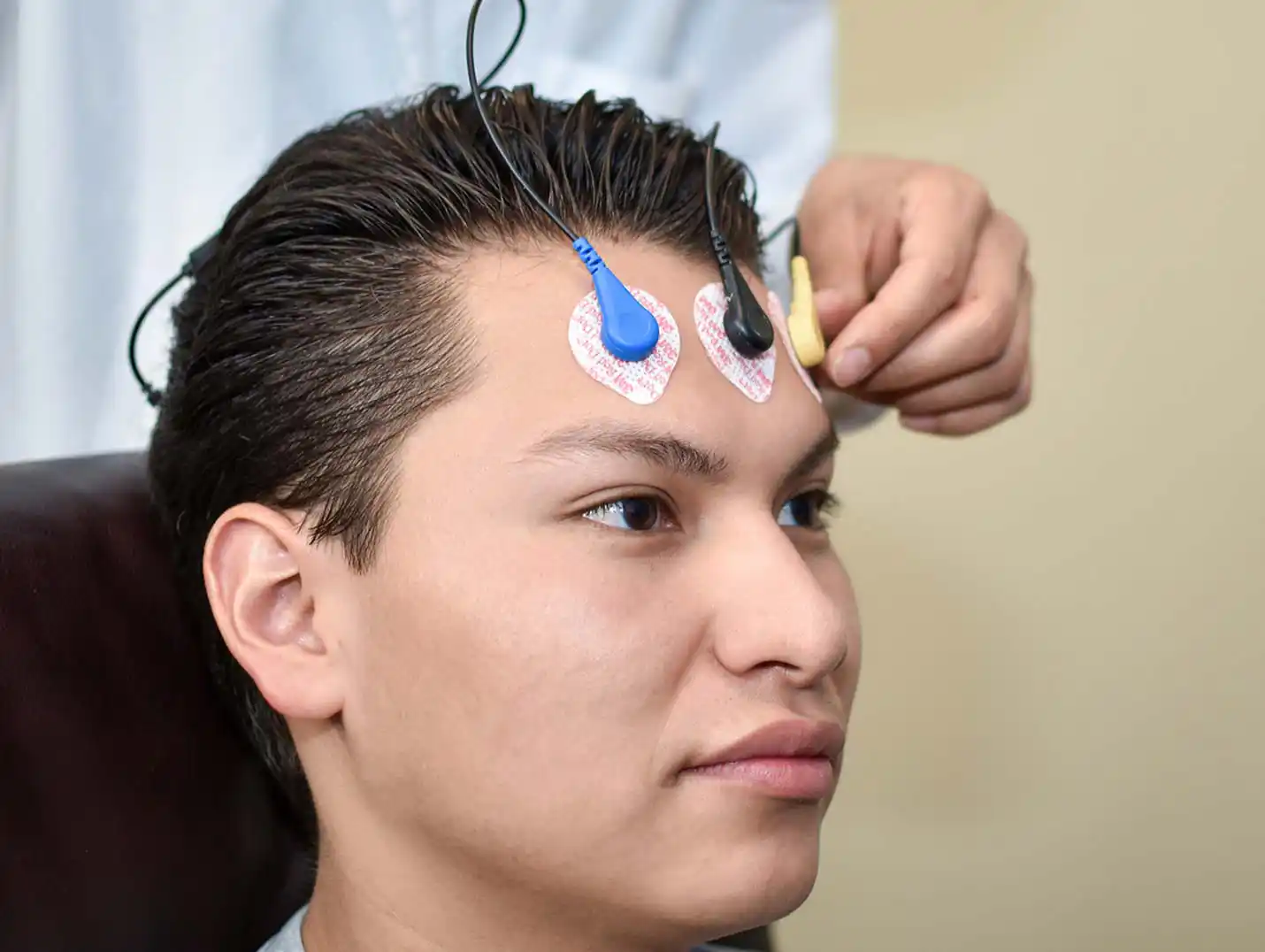
To perform an electroencephalogram, electrodes are placed on the patient's scalp to record the brain's electrical activity. It is a painless, noninvasive procedure that takes about 30 minutes.
In most cases, no special preparation is required before a neurophysiological test. However, in certain specific cases, the doctor may instruct the patient to stop taking certain medications.