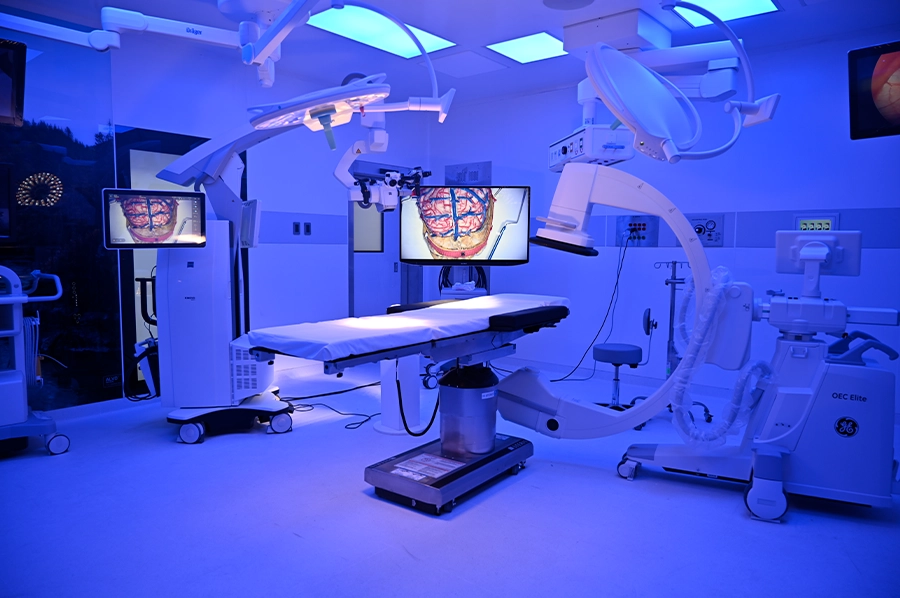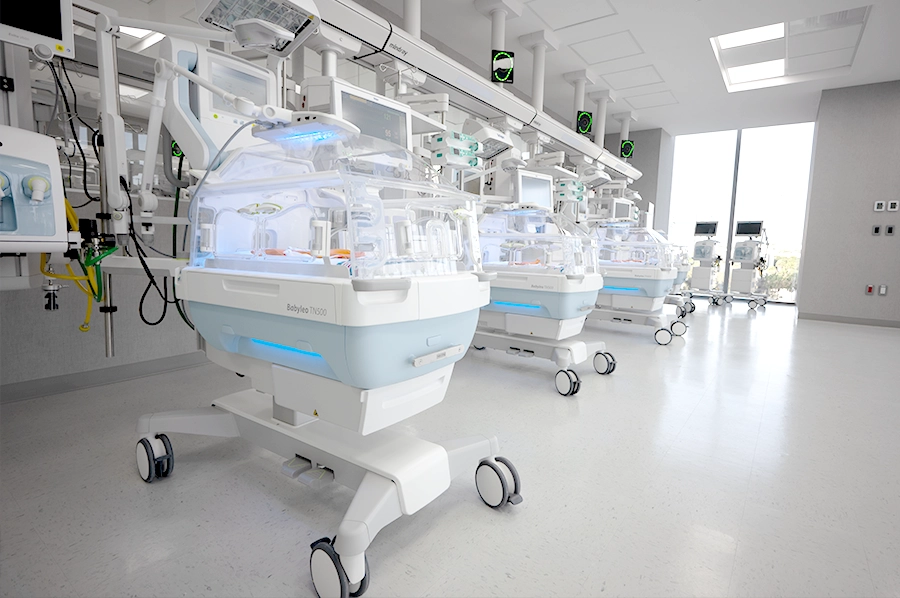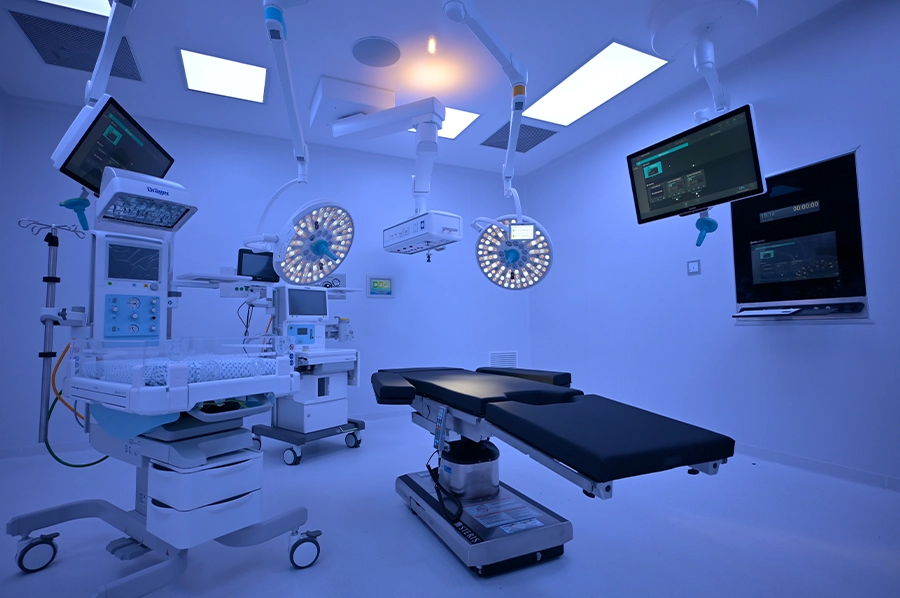
Nuclear medicine uses advanced technology in noninvasive imaging to capture functional and molecular images of organs and tissues without causing adverse effects, thereby facilitating accurate diagnoses and treatments.
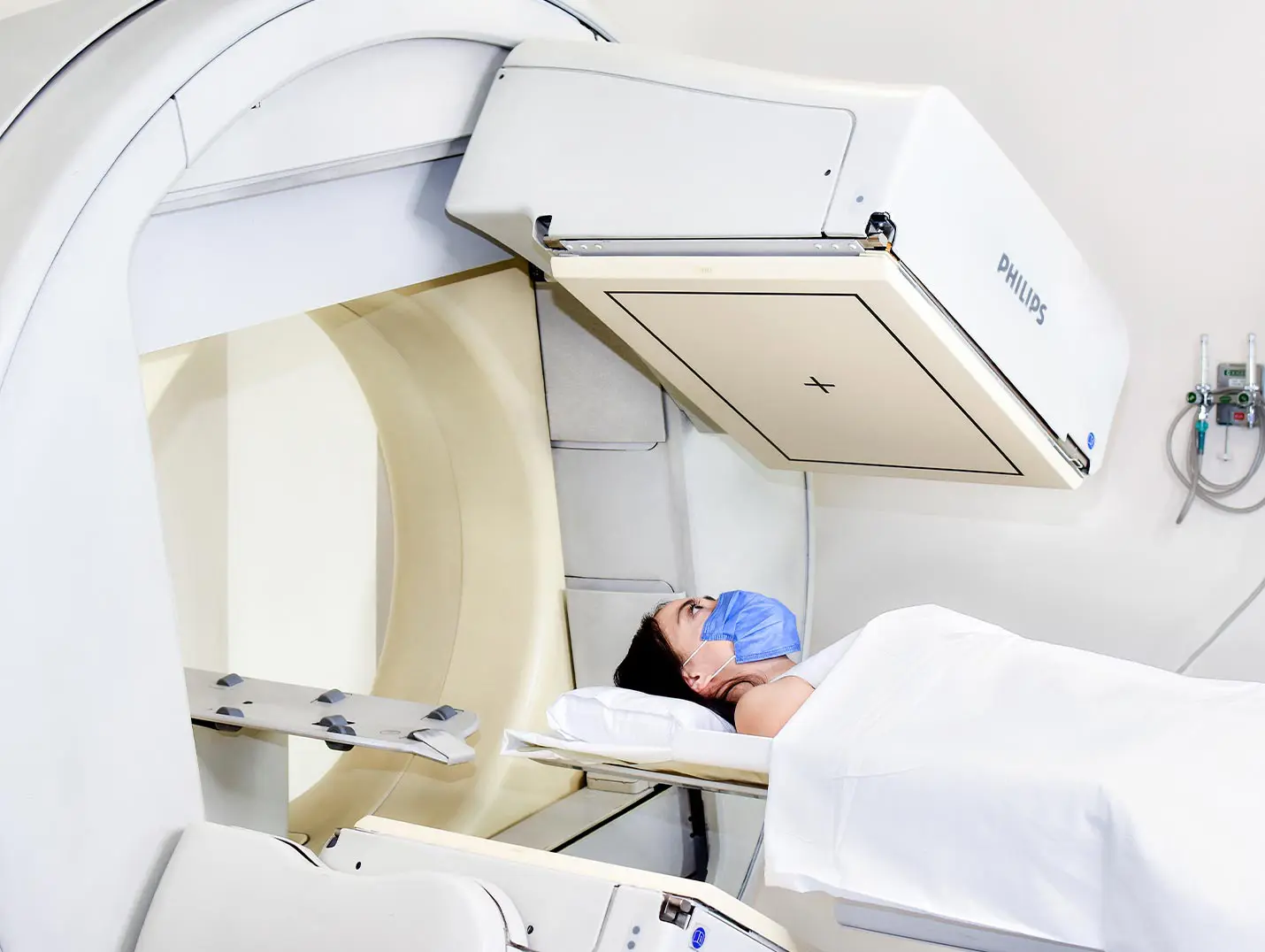
Nuclear medicine is a medical specialty that uses radiopharmaceuticals to assess the function and metabolism of organs and tissues, enabling the diagnosis and monitoring of various diseases.
In nuclear medicine, diagnostic and therapeutic procedures are performed to support the management of diseases in fields such as oncology, cardiology, neurology, and endocrinology, among others.
Yes. The studies are conducted using safe, regulated radiopharmaceuticals under strict radiation safety protocols, ensuring the protection of both patients and medical staff.
Nuclear medicine is essential for specialties such as oncology, cardiology, neurology, and endocrinology, as it provides functional information that cannot be obtained through other imaging studies.
It offers accurate diagnoses, early detection, and reliable follow-up, supported by advanced technology, specialized staff, and a patient-centered medical approach.

 1355 Patria Ave., Puerta de Hierro Neighborhood, 45116, Zapopan, Jalisco
  +52
+52