Nuclear Medicine

Nuclear Medicine

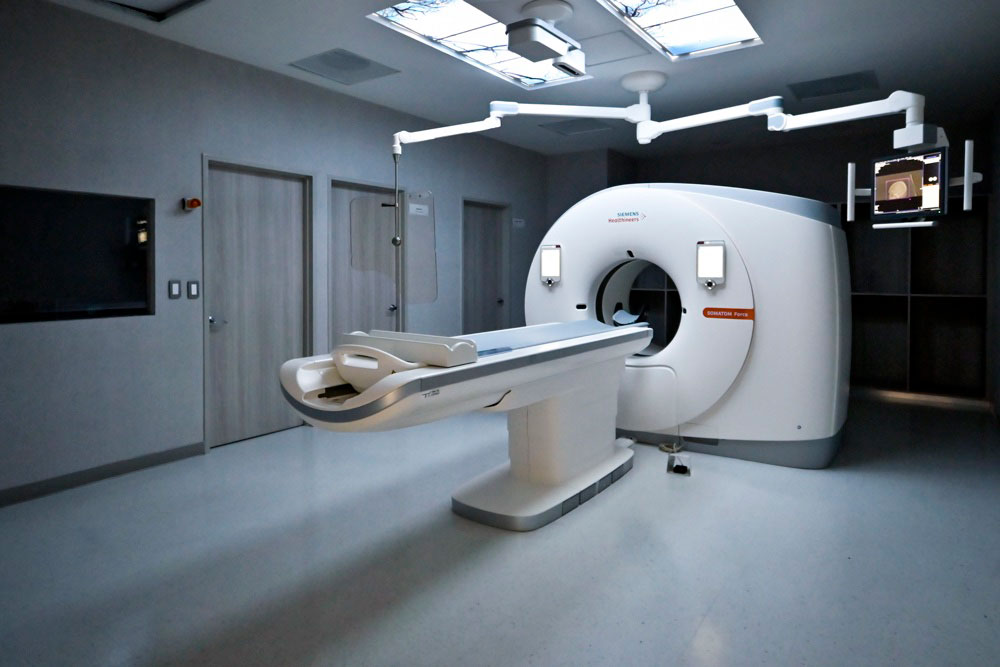
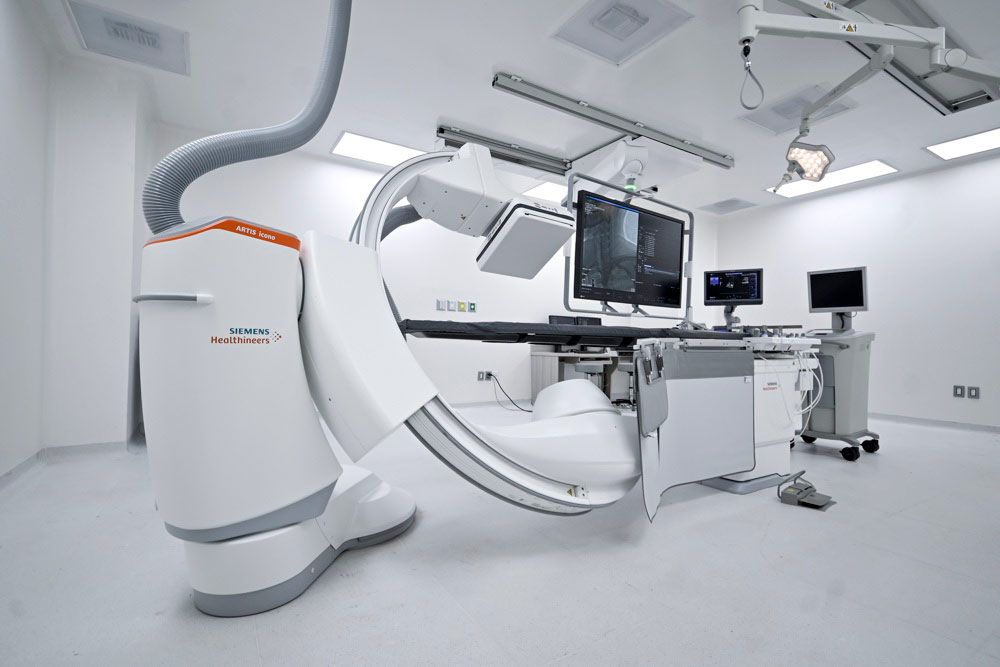
Nuclear medicine uses advanced technology in noninvasive imaging to capture functional and molecular images of organs and tissues without causing adverse effects, thereby facilitating accurate diagnoses and treatments.
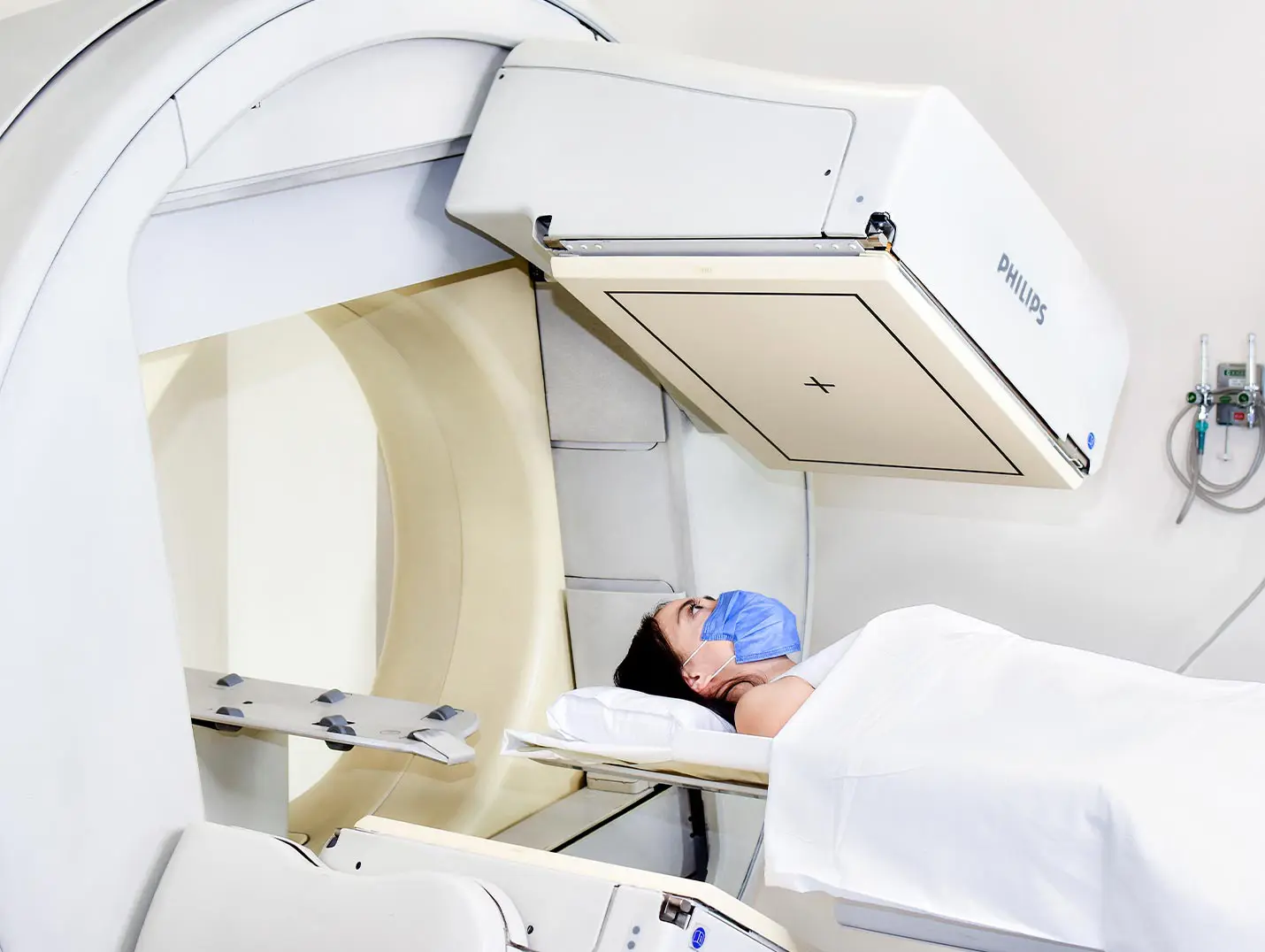


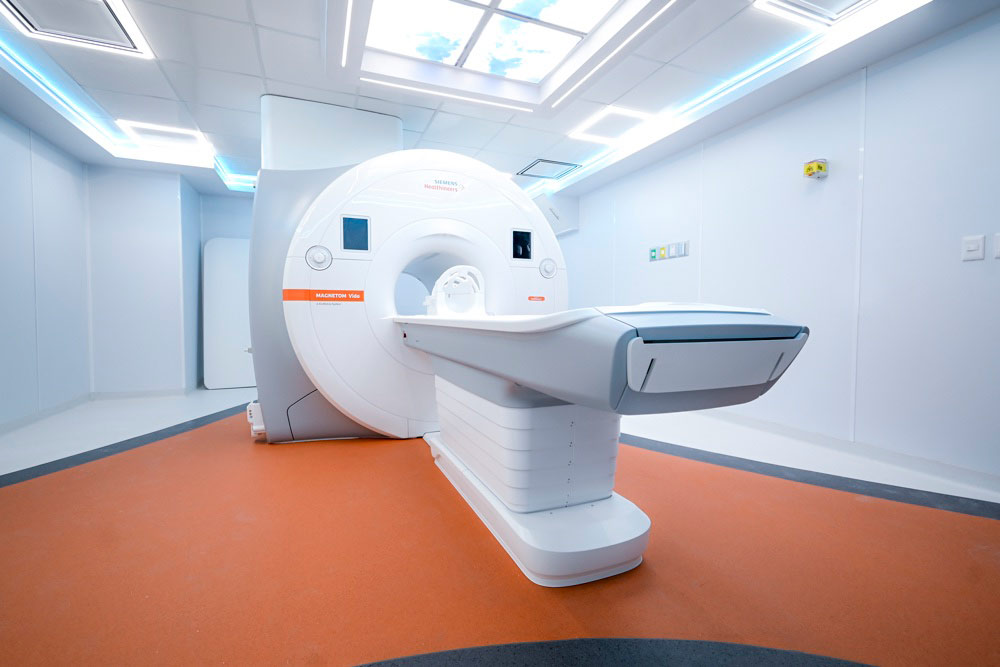
A patient lying on a table in the nuclear medicine department to undergo an imaging study A patient lying on a table in the nuclear medicine department to undergo an imaging study

Blue location pin icon on a white background. 9670 Bernardo Quintana Arrioja Boulevard, Centro Sur, 76090 Santiago de Querétaro, Querétaro

+52 Ext.

Nuclear medicine is a medical specialty that uses small amounts of radioactive substances to diagnose and treat diseases. At Hospital Angeles Centro Sur a nuclear medicine service that provides a wide range of tests and treatments.

Our team of nuclear medicine specialists uses state-of-the-art technology to perform tests such as bone scans, thyroid scans, and renal scans, among others. These tests allow us to obtain detailed images of how the body’s organs and tissues function, which helps diagnose diseases and evaluate the effectiveness of treatments.

In addition to diagnostic tests, we also offer therapeutic treatments using nuclear medicine. These treatments include radioactive iodine therapy for thyroid cancer, metabolic therapy for bone pain, and selective internal radiation therapy for liver cancer, among others.

At Hospital Angeles Centro Sur are proud to offer high-quality nuclear medicine services, supported by a team of highly trained professionals committed to the health and well-being of our patients. Our goal is to provide accurate diagnoses and effective treatments, using state-of-the-art technology and adhering to the highest standards of safety and quality.

If you need nuclear medicine tests or treatments, trust Hospital Angeles Centro Sur. We are ready to provide you with the medical care you need.

Frequently Asked Questions

Nuclear medicine is a medical specialty that uses small amounts of radioactive substances to diagnose and treat diseases.

The most common tests performed in nuclear medicine are bone scans, thyroid scans, renal scans, and lung scans.

To perform a nuclear medicine scan, the patient is given a small amount of a radioactive substance, either orally, intravenously, or by inhalation. A special camera is then used to detect the radiation emitted by the body and obtain detailed images.

Yes, nuclear medicine tests are safe and do not cause serious side effects. The radiation doses used are very low, and the benefits of obtaining an accurate diagnosis outweigh the risks.

The duration of a nuclear medicine exam can vary depending on the type of exam and the part of the body being evaluated. In general, it can last anywhere from 30 minutes to several hours.

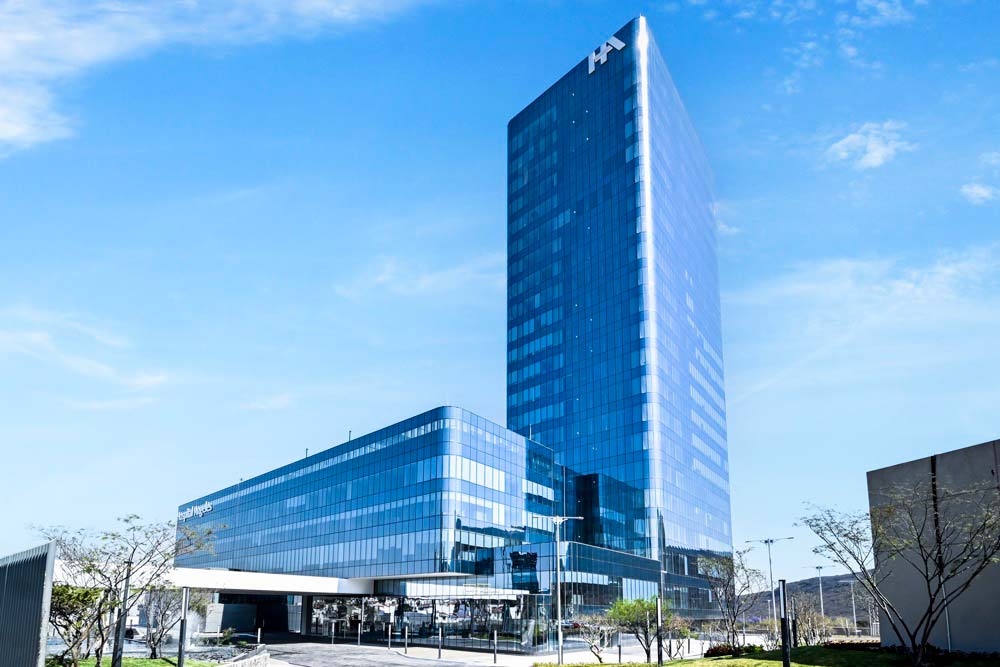
Hospitals that offer this service

An icon of a list inside a blue circle. Next to it is a white box with the word "contact"