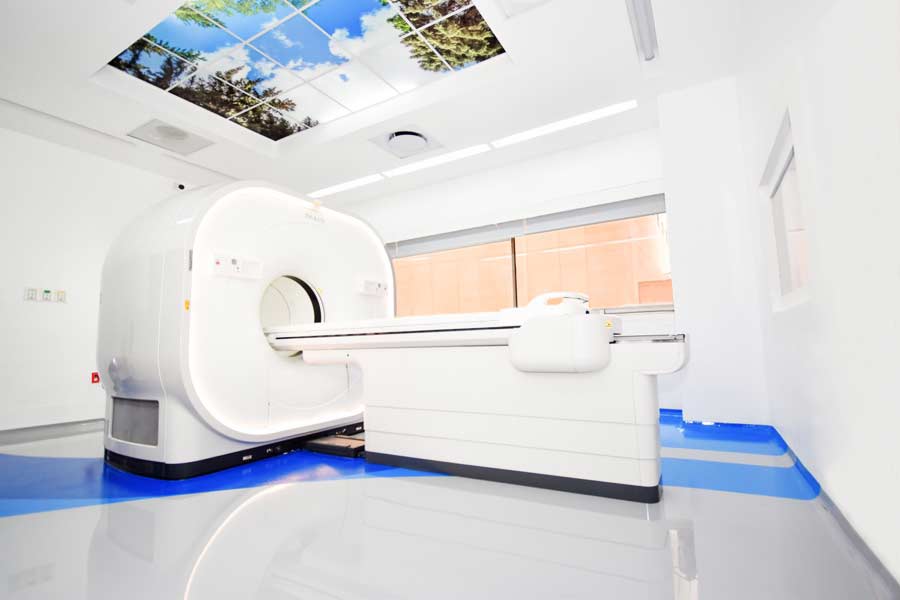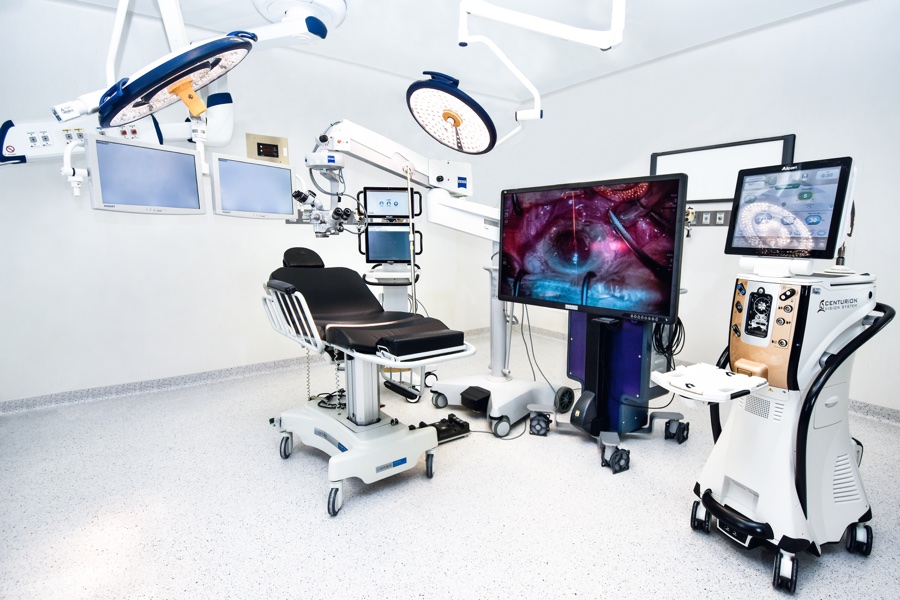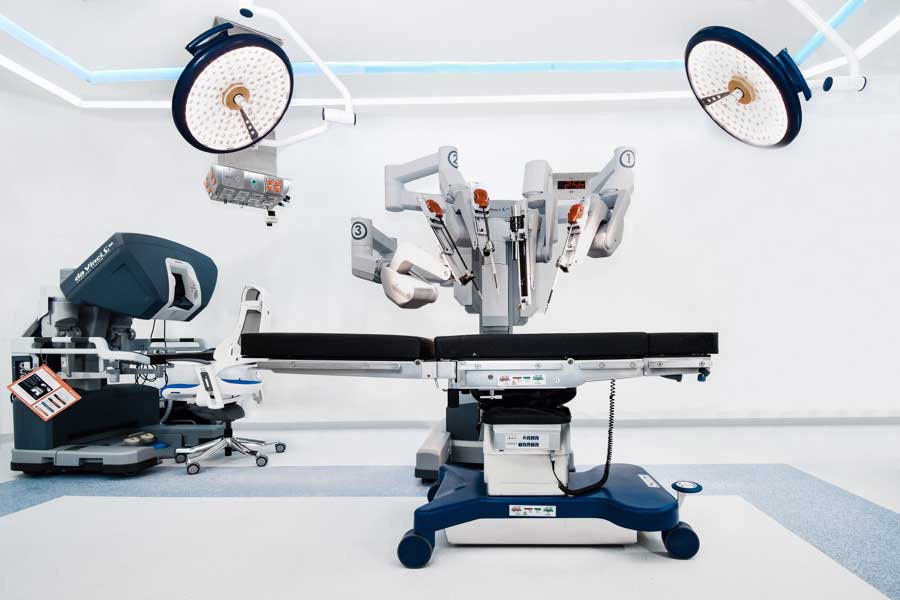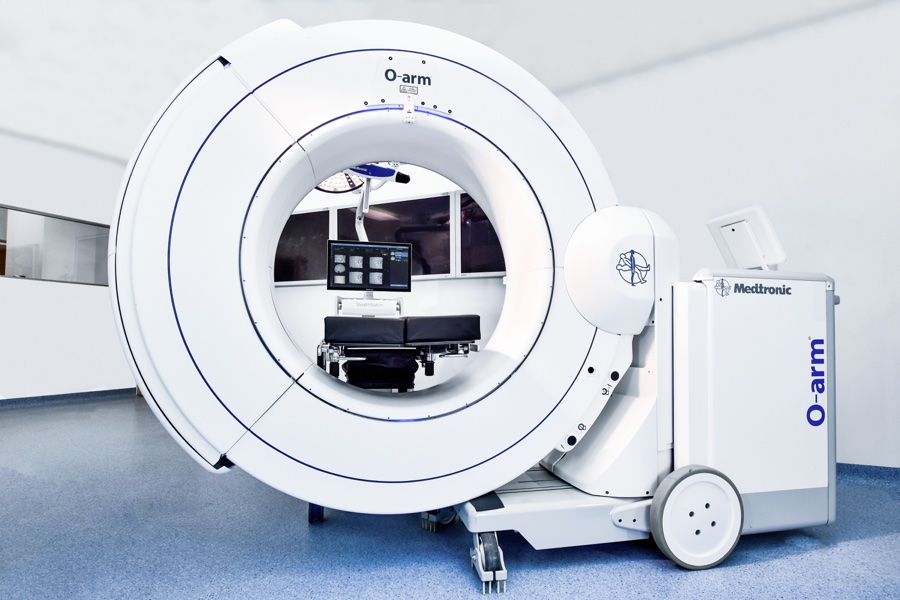
Nuclear medicine uses advanced technology in noninvasive imaging to capture functional and molecular images of organs and tissues without causing adverse effects, thereby facilitating accurate diagnoses and treatments.
 Vialidad de la Barranca (no number), Hacienda de las Palmas, 52763 Huixquilucan, Mexico
 +52 55 5246 5000
Ext. 3006
+52 55 5246 5000
Ext. 3006
 Monday through Friday from 7:00 a.m. to 9:00 p.m. / Saturday from 7:00 a.m. to 2:00 p.m.
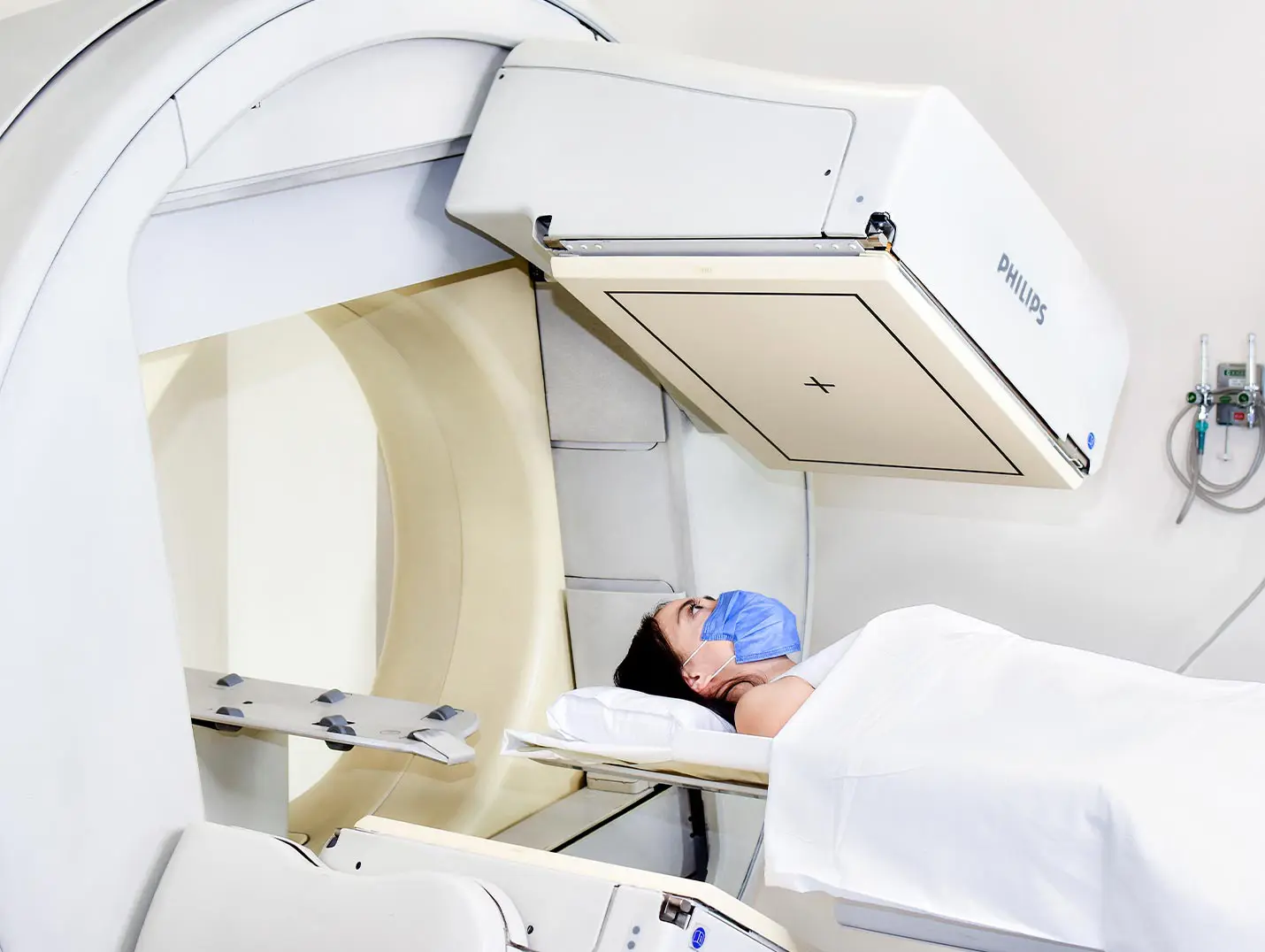
The Nuclear Medicine Department at Hospital Angeles Lomas offers diagnostic tests and therapeutic treatments using small doses of radiopharmaceuticals to assess organ function and detect diseases in their early stages. This specialty combines advanced technology with the expertise of medical specialists to provide accurate diagnoses and safe treatment options.
We perform imaging studies such as bone, thyroid, renal, pulmonary, and cardiac scans, as well as whole-body scans, which are ideal for detecting functional abnormalities before structural changes occur.
We also offer specialized treatments, such as radioactive iodine therapy for thyroid disorders, as well as other therapeutic procedures targeting specific tumors.
Our team of nuclear medicine specialists uses state-of-the-art equipment to ensure clear images, timely diagnoses, and highly effective treatments. At Hospital Angeles Lomas, your care is personalized and results-oriented.
If you need nuclear medicine tests or specialized treatment, we are here to support you with safe, professional, and compassionate care.
Nuclear medicine is a medical specialty that uses small amounts of radioactive substances to diagnose and treat diseases.
The most common tests performed in nuclear medicine are bone scans, thyroid scans, renal scans, and lung scans.
To perform a nuclear medicine scan, the patient is given a small amount of a radioactive substance, either orally, intravenously, or by inhalation. A special camera is then used to detect the radiation emitted by the substance and obtain images of the organ or tissue being examined.
Yes, nuclear medicine tests are safe and do not cause pain or discomfort. The radiation doses used are very low.
The duration of a nuclear medicine scan can vary depending on the type of scan and the organ or tissue being evaluated. In general, scans can last anywhere from 30 minutes to several hours.