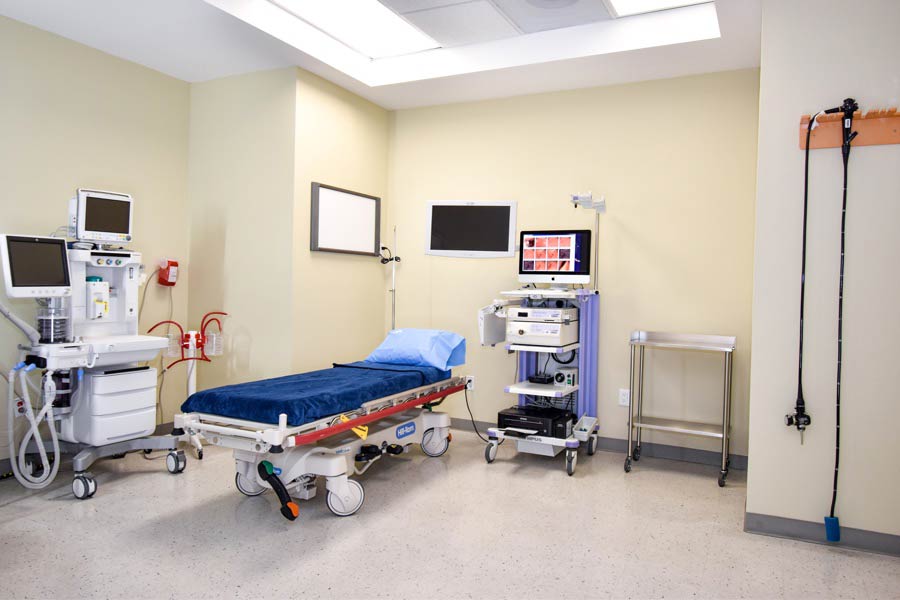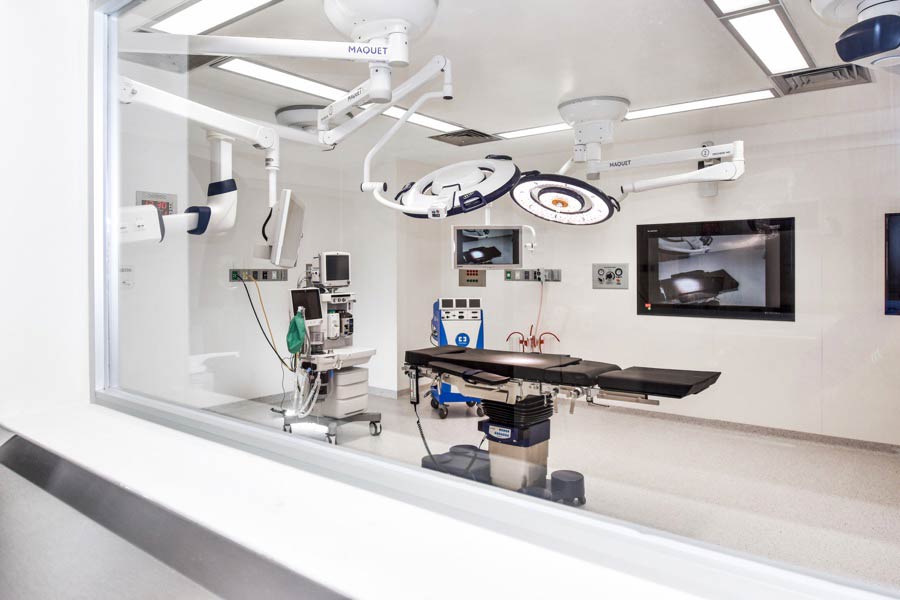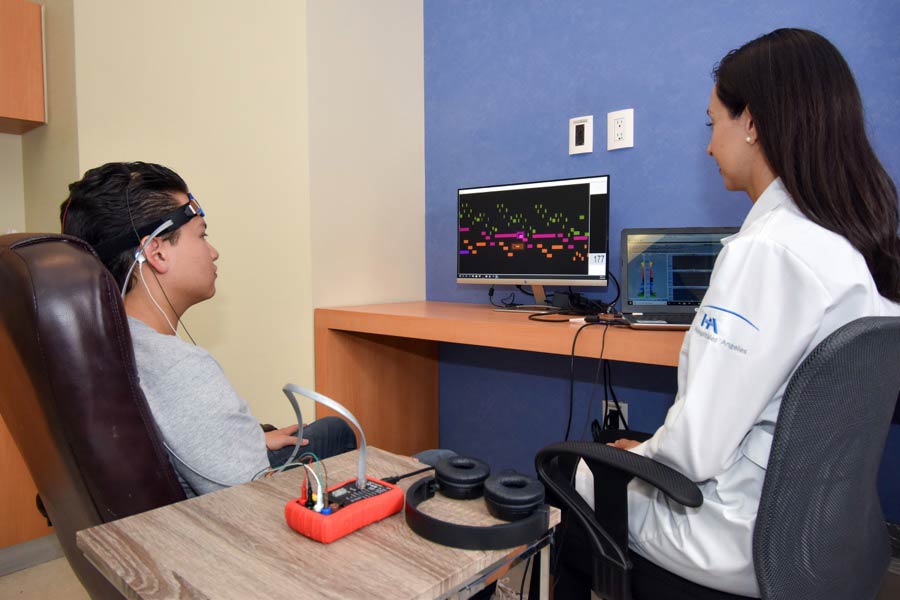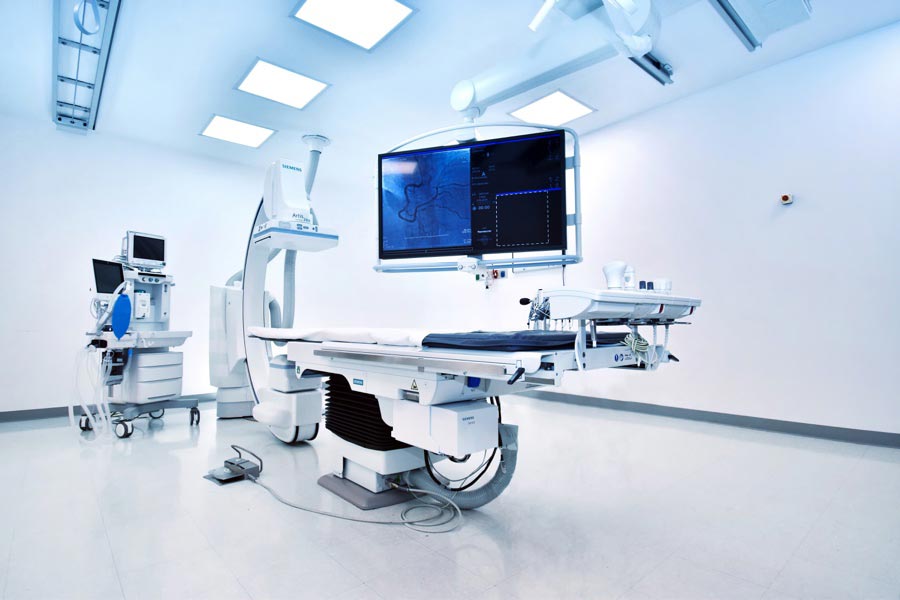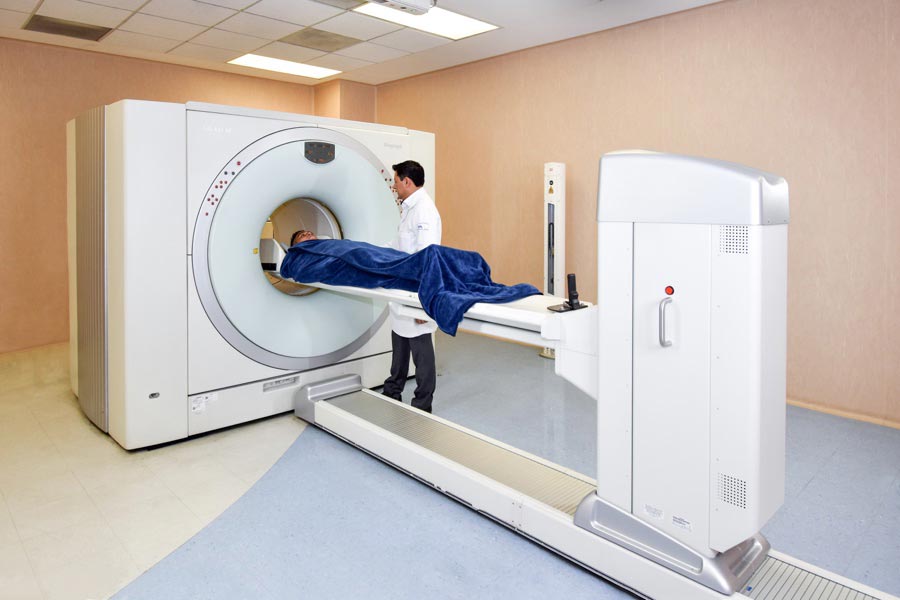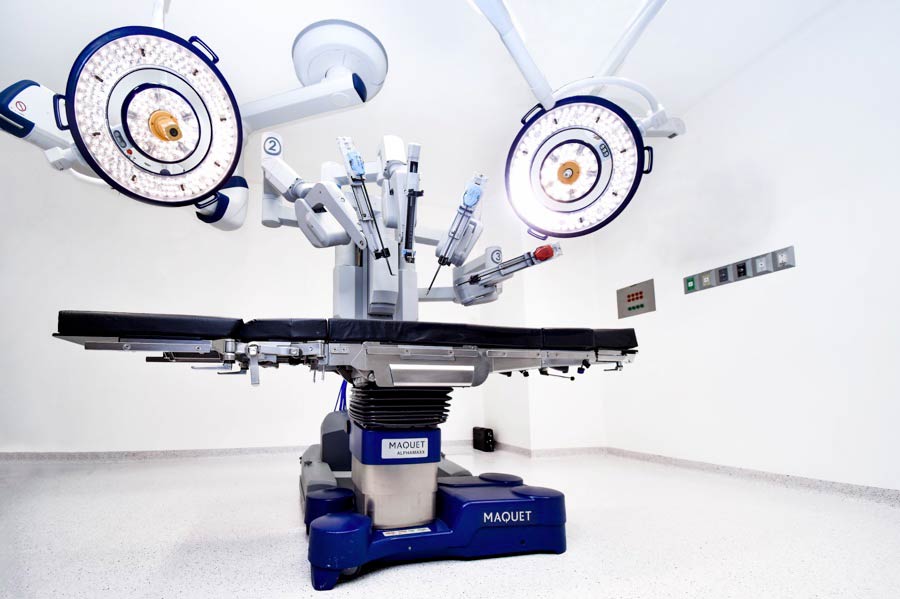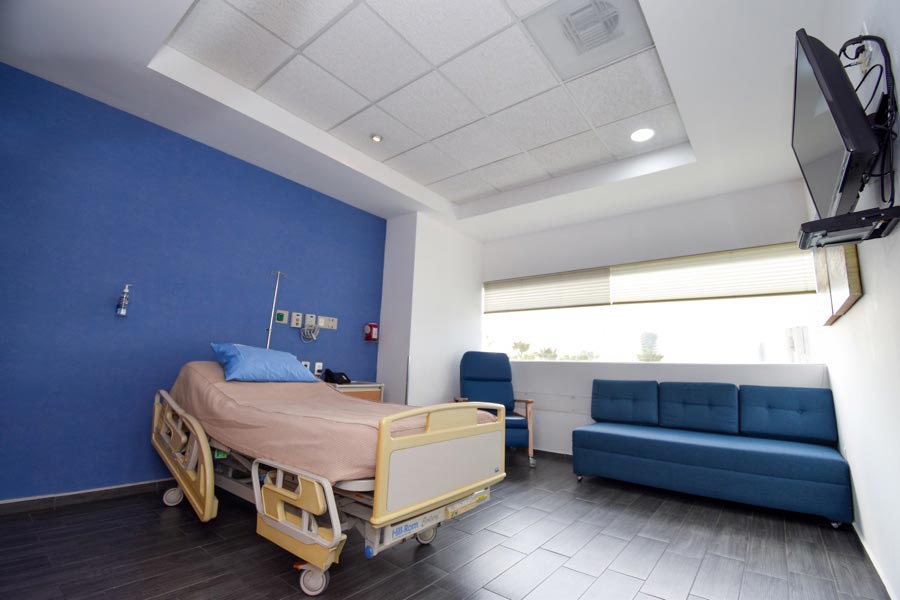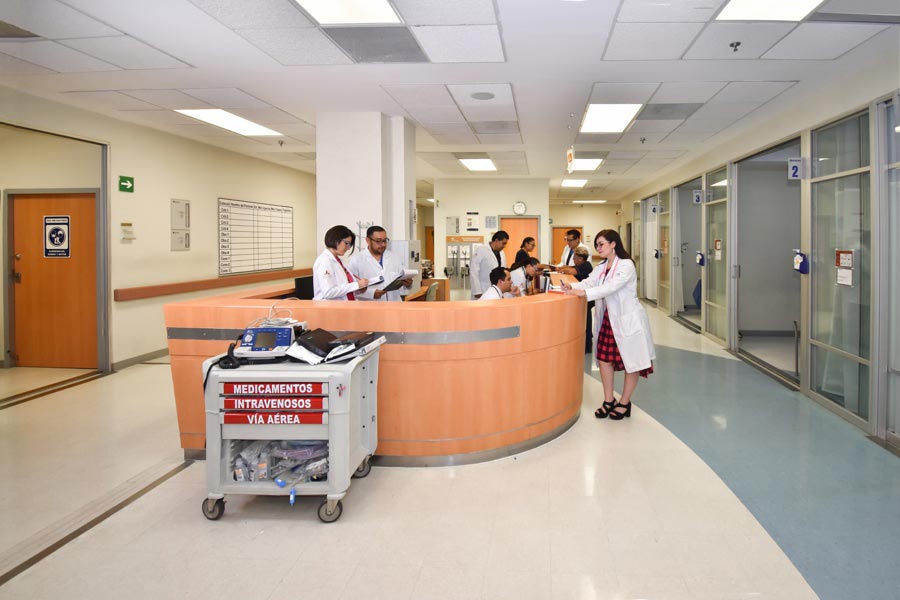
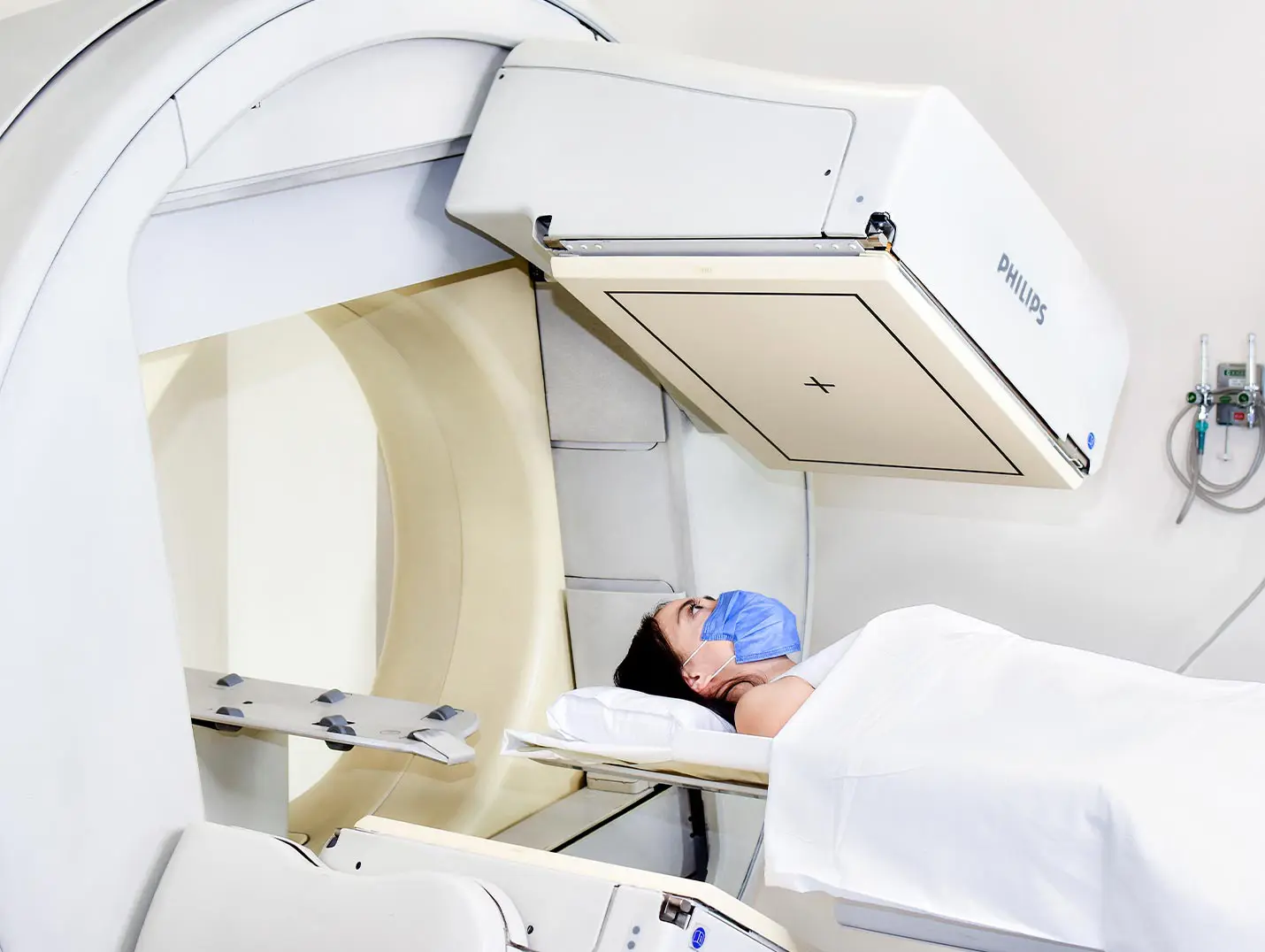
Nuclear medicine uses advanced technology in noninvasive imaging to capture functional and molecular images of organs and tissues without causing adverse effects, thereby facilitating accurate diagnoses and treatments.
 2143 Kepler Ave., Atlixcáyotl Land Reserve, 72190 Puebla, Pue.
 +52 222 303 6600
Ext. 2037
+52 222 303 6600
Ext. 2037
 Monday through Friday from 8:00 a.m. to 6:00 p.m.
Nuclear medicine is a medical specialty that uses small amounts of radioactive substances to diagnose and treat diseases. At Hospital Angeles Puebla a state-of-the-art nuclear medicine department that offers a wide range of tests and treatments.
Our team of nuclear medicine experts uses cutting-edge technology to obtain detailed images of the body and assess the function of organs and tissues. These studies are particularly useful in diagnosing heart disease, cancer, endocrine disorders, and diseases of the nervous system. In addition, nuclear medicine is also used to treat certain types of cancer and thyroid diseases.
At Hospital Angeles Puebla focus on providing a high-quality nuclear medicine service with accurate and reliable results. Our team of nuclear medicine specialists is highly trained and has extensive experience in the field. We work closely with other medical specialists to ensure a comprehensive and personalized approach to the diagnosis and treatment of our patients.
If you need nuclear medicine studies, please don’t hesitate to contact us. We are ready to provide you with the best possible medical care.
Nuclear medicine is a medical specialty that uses small amounts of radioactive substances to diagnose and treat diseases.
The most common nuclear medicine tests include bone scans, thyroid scans, renal scans, and lung scans.
To perform a nuclear medicine scan, a small amount of radioactive material is administered to the patient, either orally, intravenously, or by inhalation. A special camera is then used to detect the radiation emitted by the body and obtain detailed images.
Yes, nuclear medicine tests are safe and do not cause significant pain or discomfort. The radiation doses used are very low, and the benefits of obtaining an accurate diagnosis outweigh the risks.
The duration of a nuclear medicine exam can vary depending on the type of exam and the part of the body being evaluated. In general, it can last anywhere from 30 minutes to several hours.