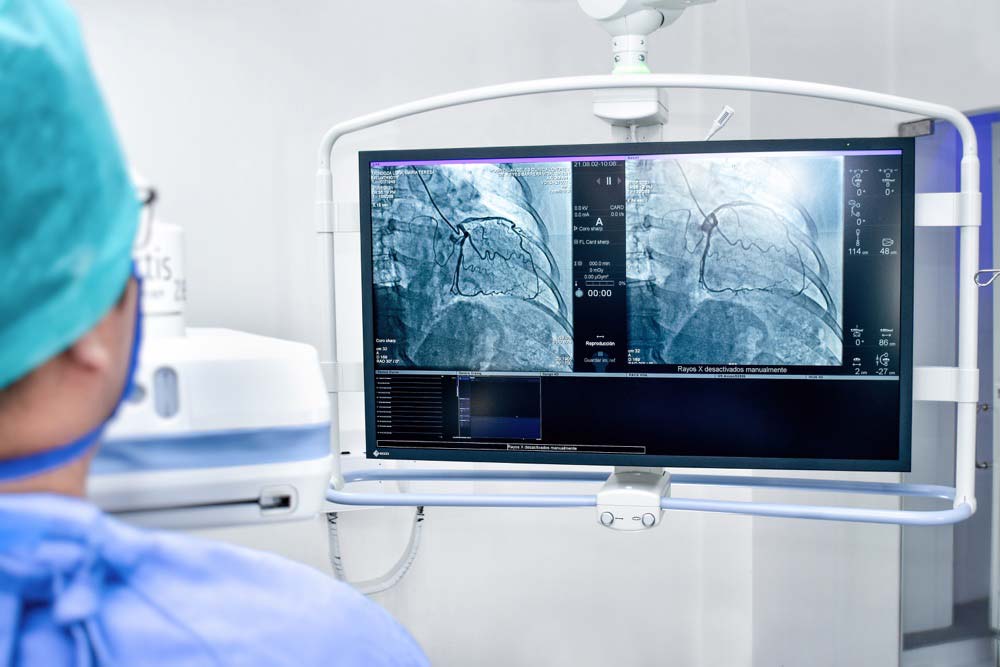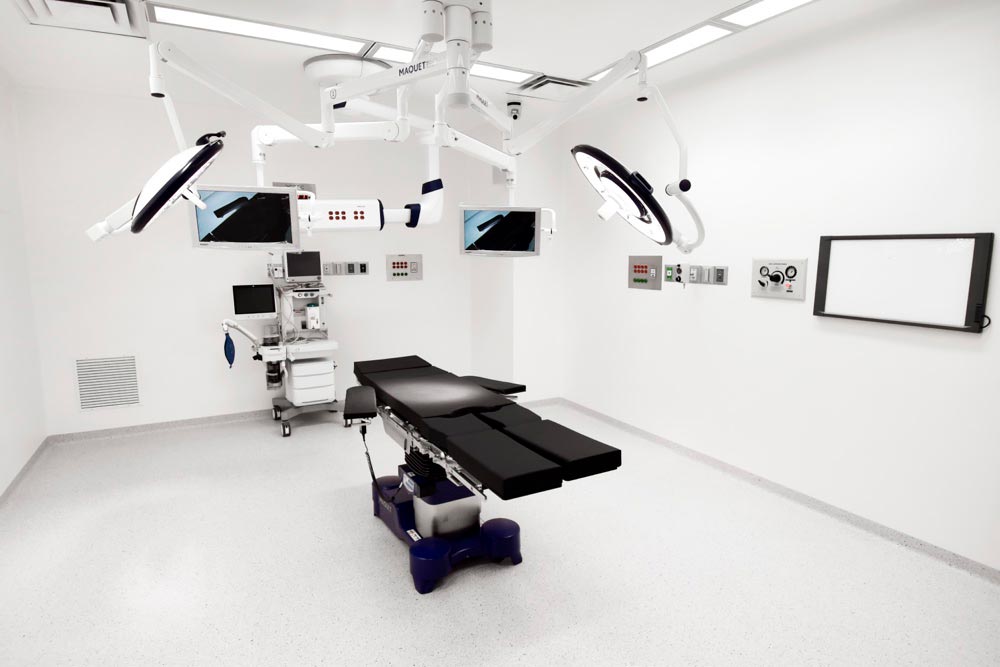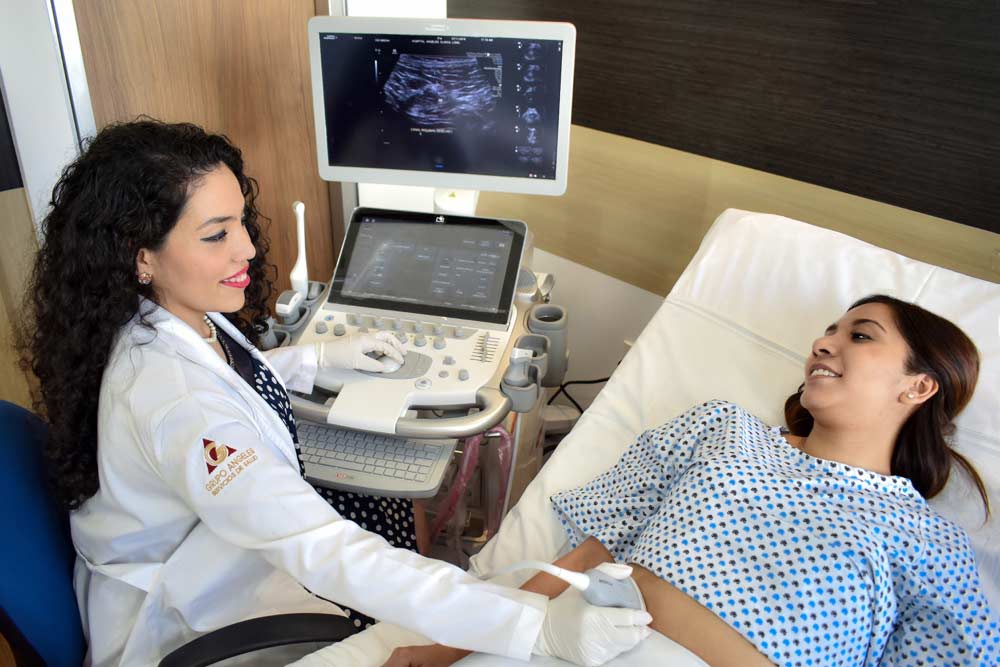
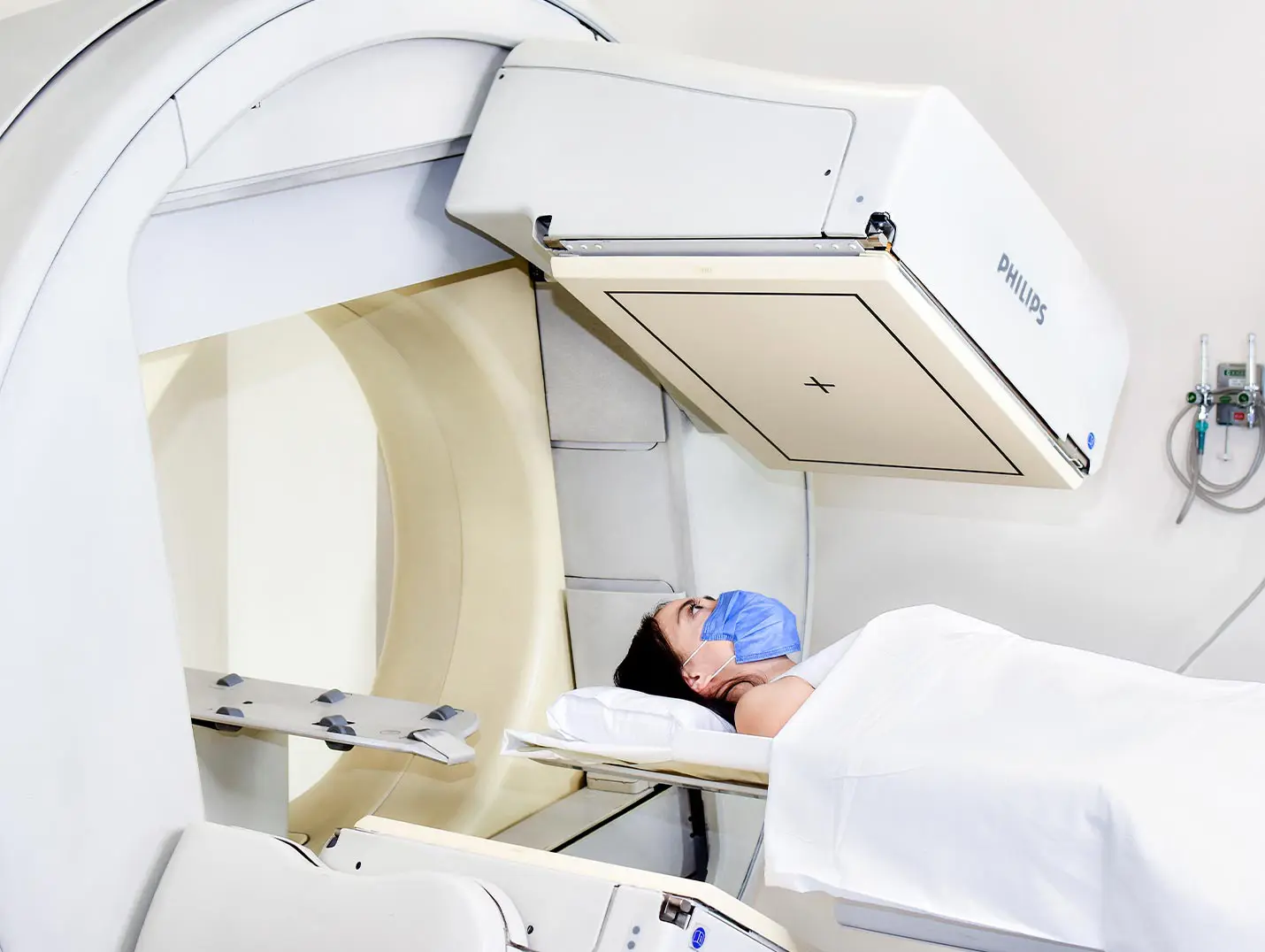
Nuclear medicine uses advanced technology in noninvasive imaging to capture functional and molecular images of organs and tissues without causing adverse effects, thereby facilitating accurate diagnoses and treatments.
 50 Durango Street, Roma , 06700 México City, CDMX
 +52 55 522 98400 55 55256084 direct line
Ext. 1311 y 1312
+52 55 522 98400 55 55256084 direct line
Ext. 1311 y 1312
 Monday through Friday, 3:00 PM to 10:00 PM / Saturday, 7:00 AM to 2:00 PM
Nuclear medicine is a medical specialty that uses small amounts of radioactive substances to diagnose and treat diseases.
The most common tests performed in nuclear medicine are bone scans, thyroid scans, renal scans, and lung scans.
To perform a nuclear medicine scan, a small amount of a radioactive substance is administered to the patient, either orally, intravenously, or by inhalation. A special camera is then used to detect the radiation emitted by the body and obtain detailed images.
Yes, nuclear medicine tests are safe and do not cause serious side effects. The radiation doses used are very low, and the benefits of obtaining an accurate diagnosis outweigh the risks.
The duration of a nuclear medicine exam can vary depending on the type of exam and the part of the body being evaluated. It usually lasts between 1 and 3 hours.