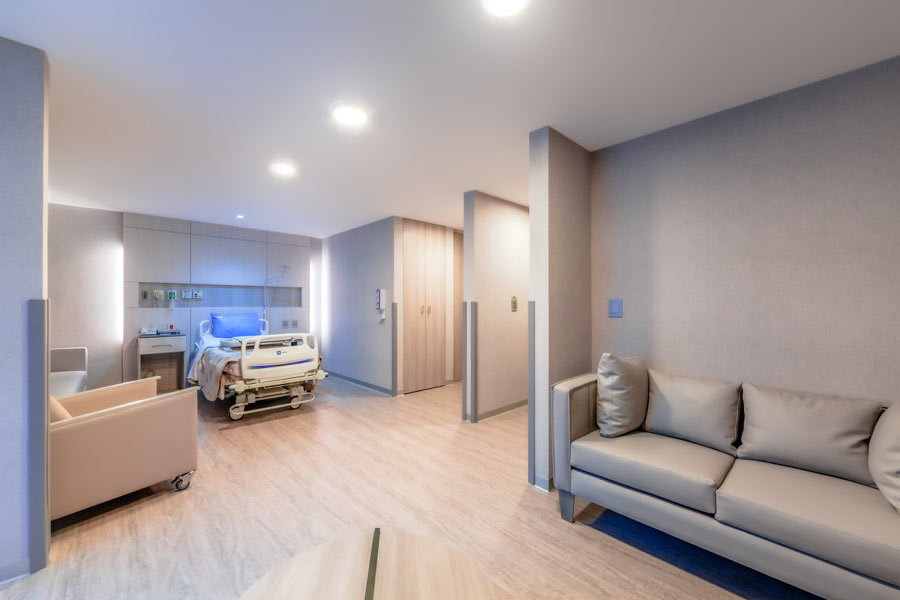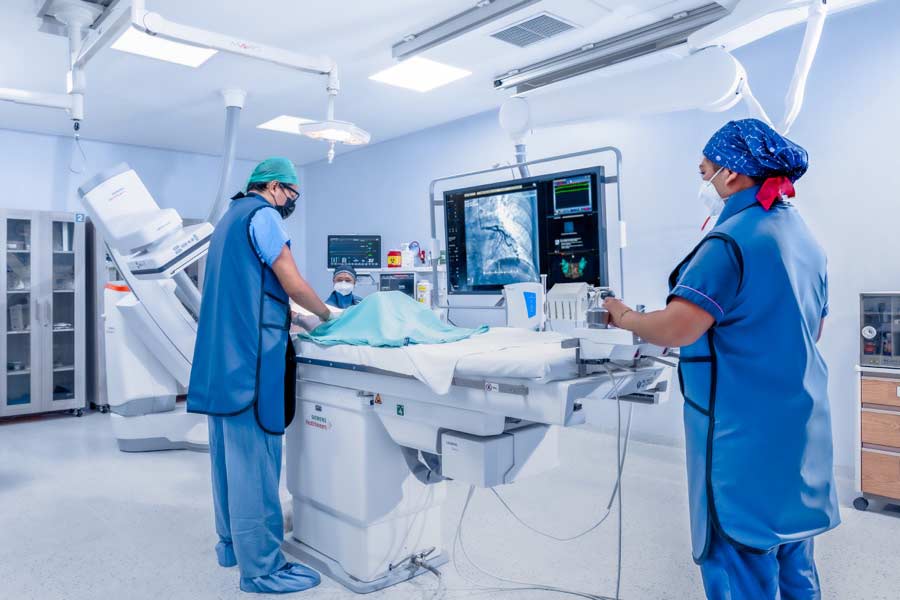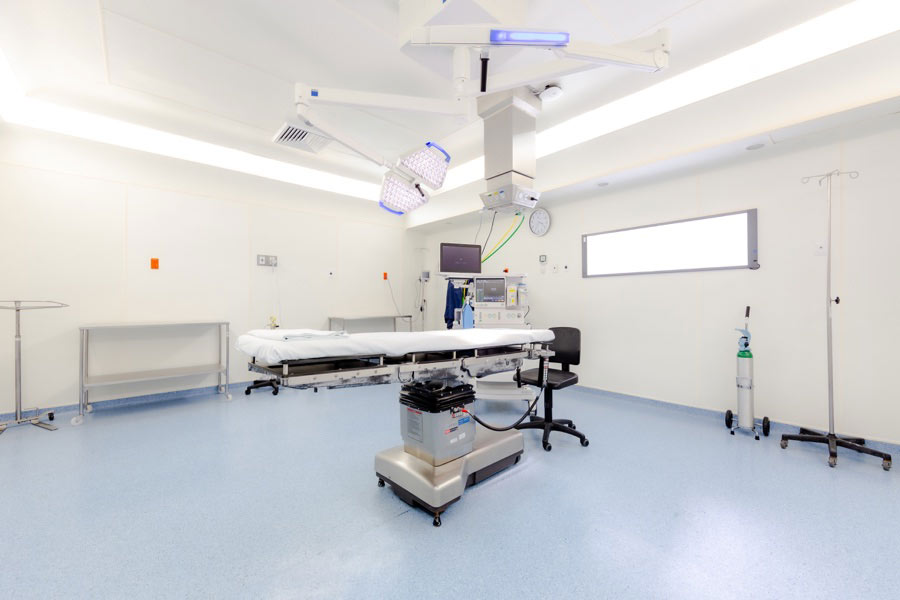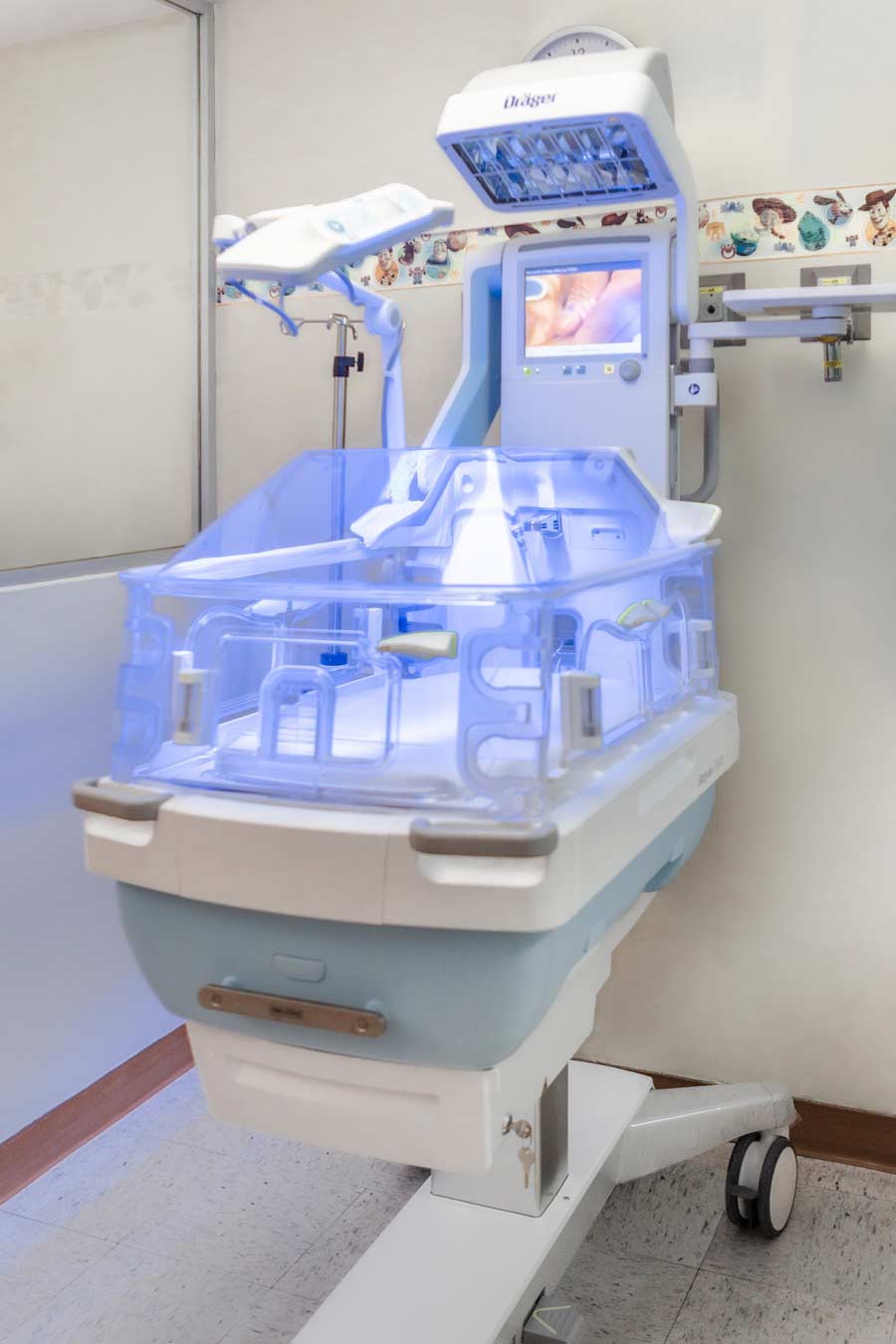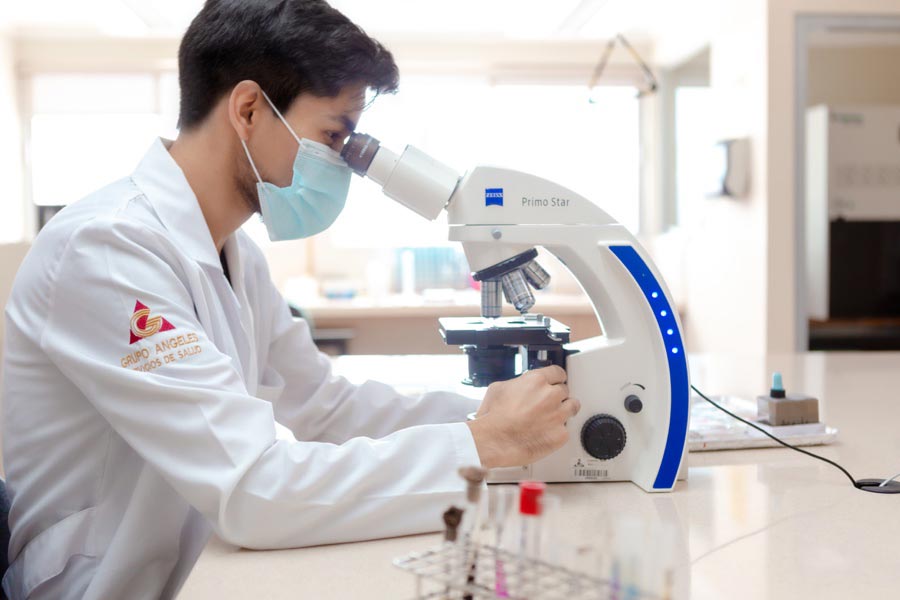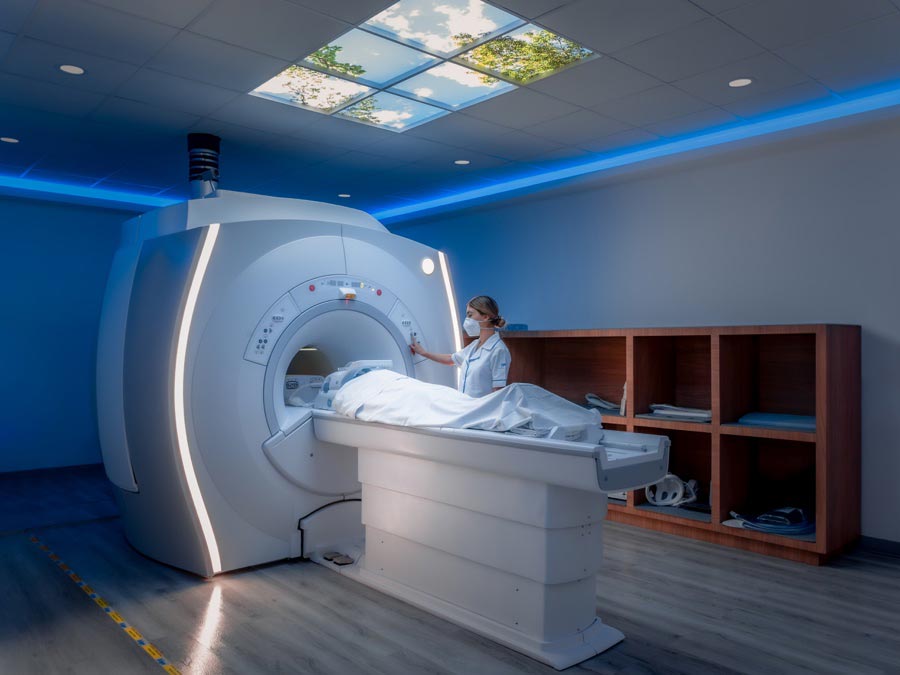
Nuclear medicine uses advanced technology in noninvasive imaging to capture functional and molecular images of organs and tissues without causing adverse effects, thereby facilitating accurate diagnoses and treatments.
 155 Antonio Aguilar Street, Burocratas del Estado, San Luis, San Luis Potosí, México
 +52 4448340300
Ext. 5618
+52 4448340300
Ext. 5618
 Monday–Friday, 8:00 AM–4:00 PM
Nuclear medicine is a medical specialty that uses small amounts of radioactive substances to diagnose and treat diseases. At Hospital Angeles San Luis Potosí, we have a state-of-the-art nuclear medicine department that offers a wide range of tests and treatments. Our team of nuclear medicine specialists uses state-of-the-art technology to perform studies such as bone scans, renal scans, pulmonary scans, and thyroid scans. These studies allow us to obtain detailed images of how organs and tissues function, which helps diagnose diseases and evaluate the effectiveness of treatments. In addition to diagnostic studies, at Hospital Angeles San Luis Potosí weSan Luis Potosí offer nuclear medicine treatments, such as radioactive iodine therapy for thyroid cancer and metabolic therapy for metastatic bone pain. These treatments are safe and effective, and can improve patients’ quality of life. At Hospital Angeles San Luis Potosí, we focus on providing high-quality nuclear medicine services, with a focus on the safety and well-being of our patients. Our team of highly trained professionals will ensure that your experience is comfortable and satisfactory. Trust us to deliver the best results in nuclear medicine.
Nuclear medicine is a medical specialty that uses small amounts of radioactive substances to diagnose and treat diseases.
The most common tests performed in nuclear medicine are bone scans, thyroid scans, renal scans, and lung scans.
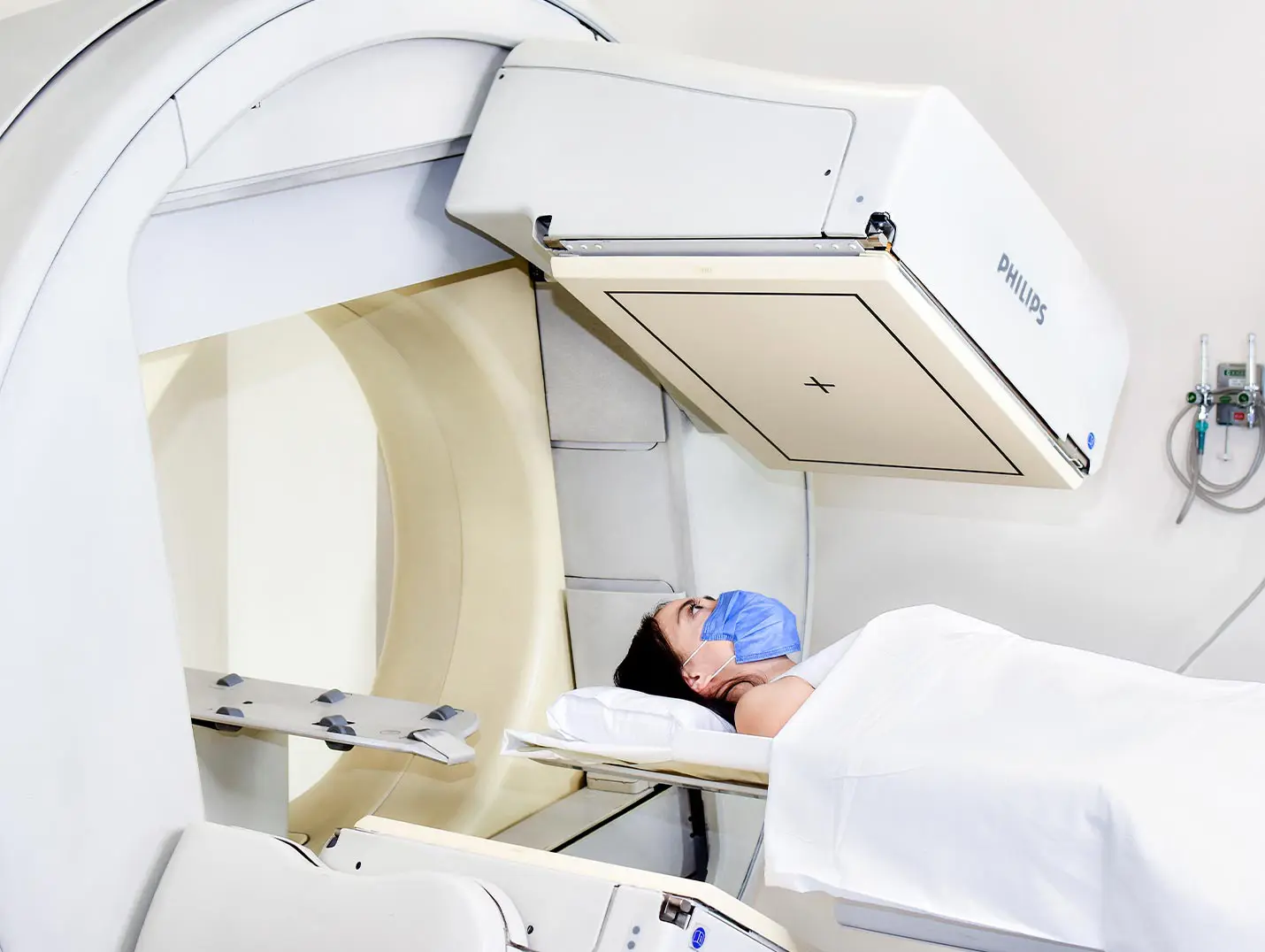
To perform a nuclear medicine scan, the patient is given a small amount of a radioactive substance, either orally, intravenously, or by inhalation. A special camera is then used to detect the radiation emitted by the body and obtain detailed images.
Yes, nuclear medicine tests are safe and do not cause serious side effects. The radiation doses used are very low, and the benefits of obtaining an accurate diagnosis outweigh the risks.
The duration of a nuclear medicine exam can vary depending on the type of exam and the part of the body being evaluated. In general, it can last between 1 and 3 hours, including preparation time and image acquisition.