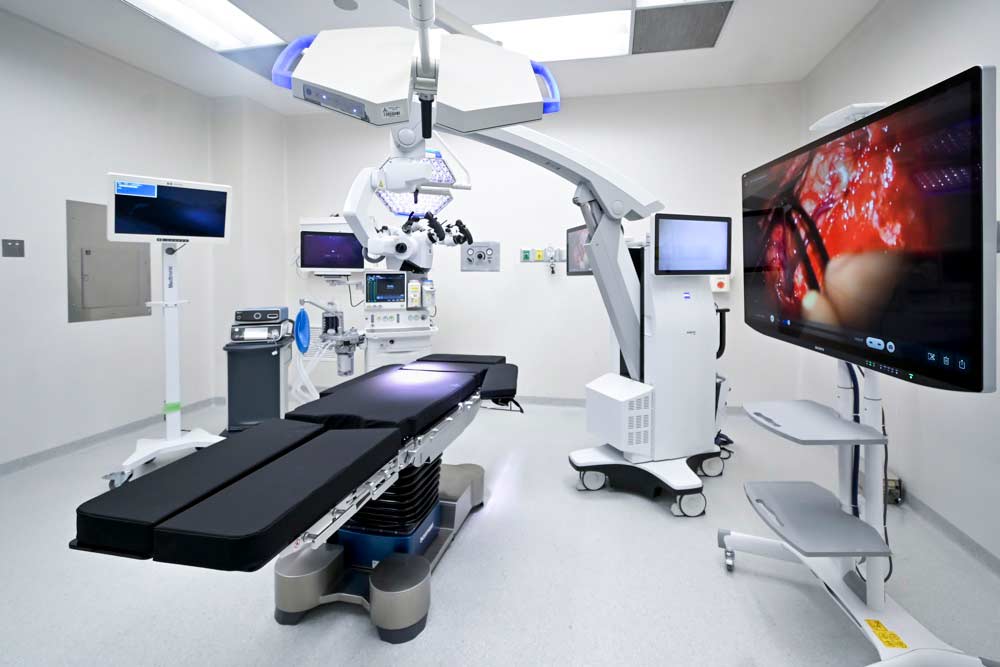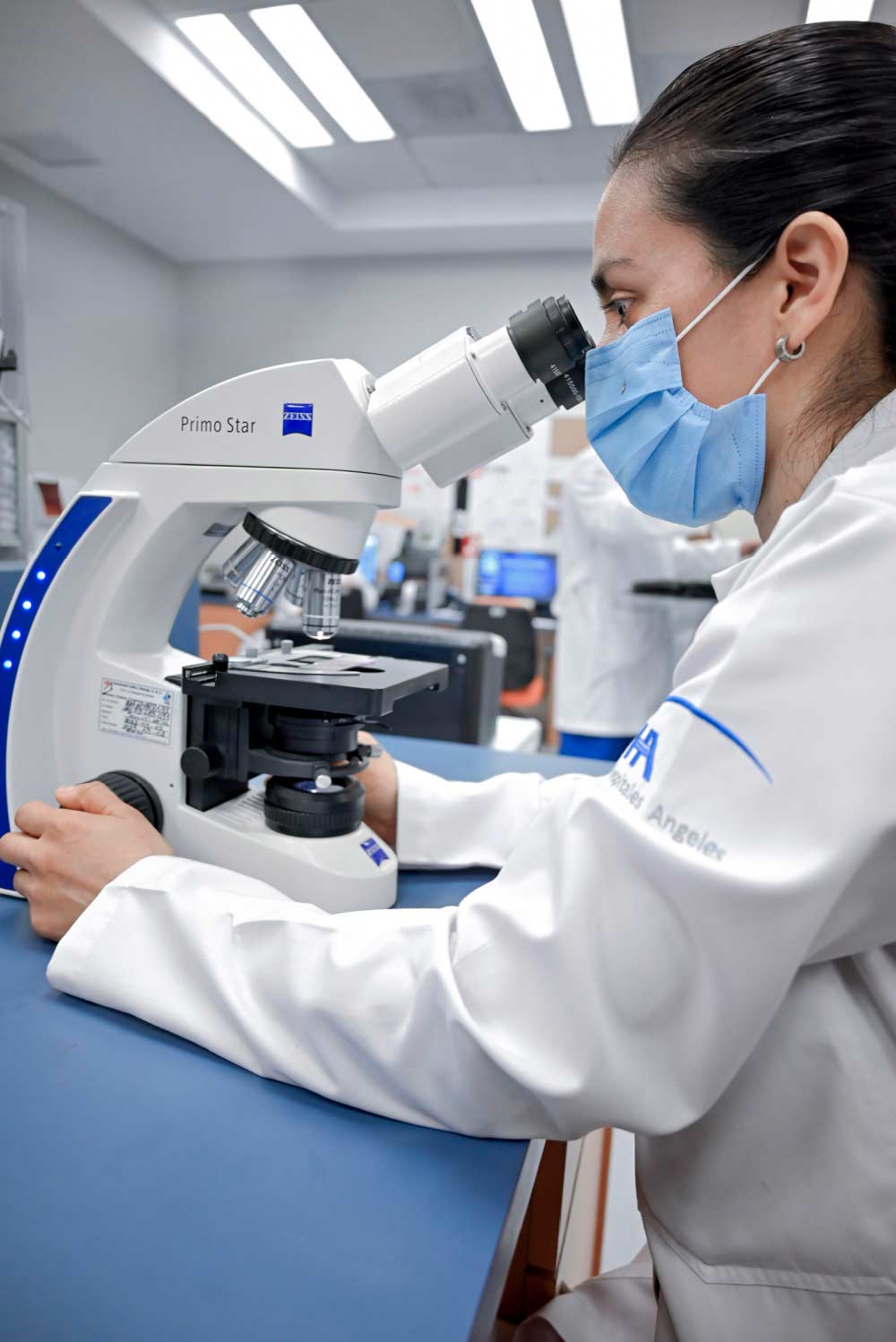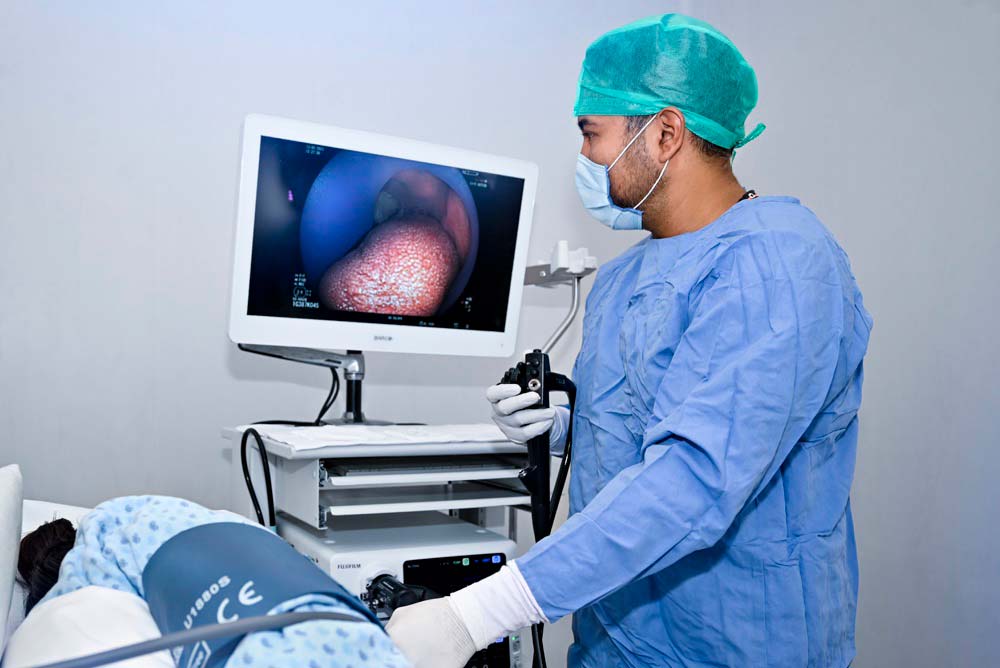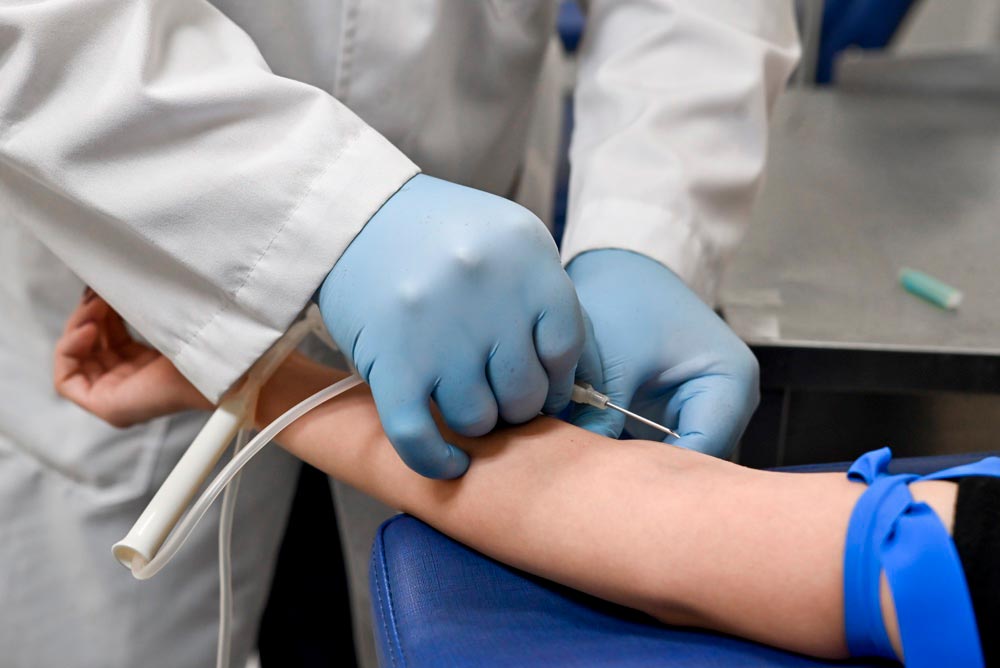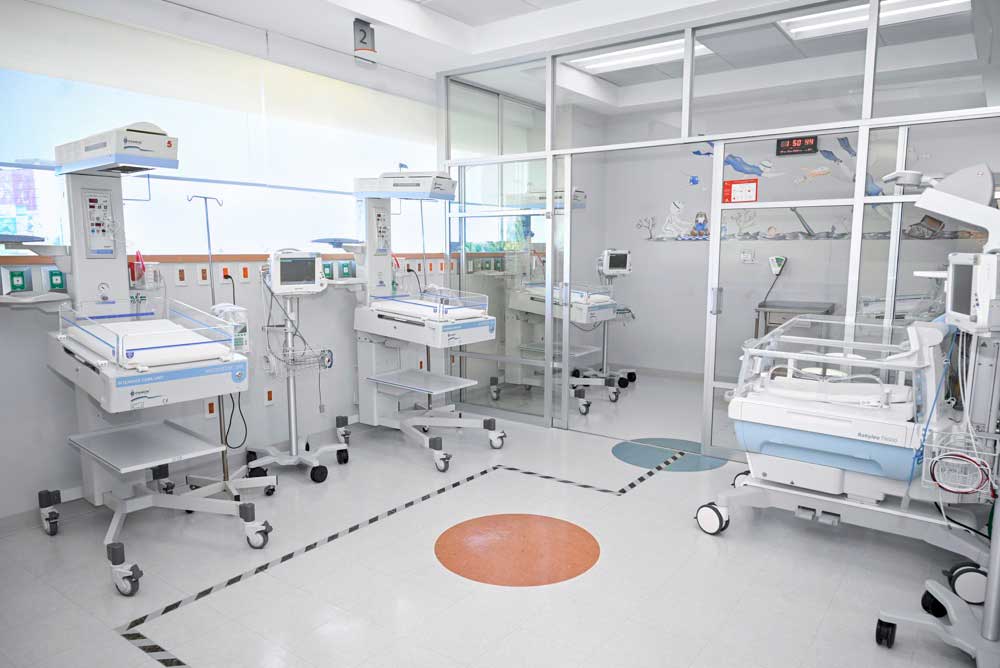
Nuclear medicine uses advanced technology in noninvasive imaging to capture functional and molecular images of organs and tissues without causing adverse effects, thereby facilitating accurate diagnoses and treatments.
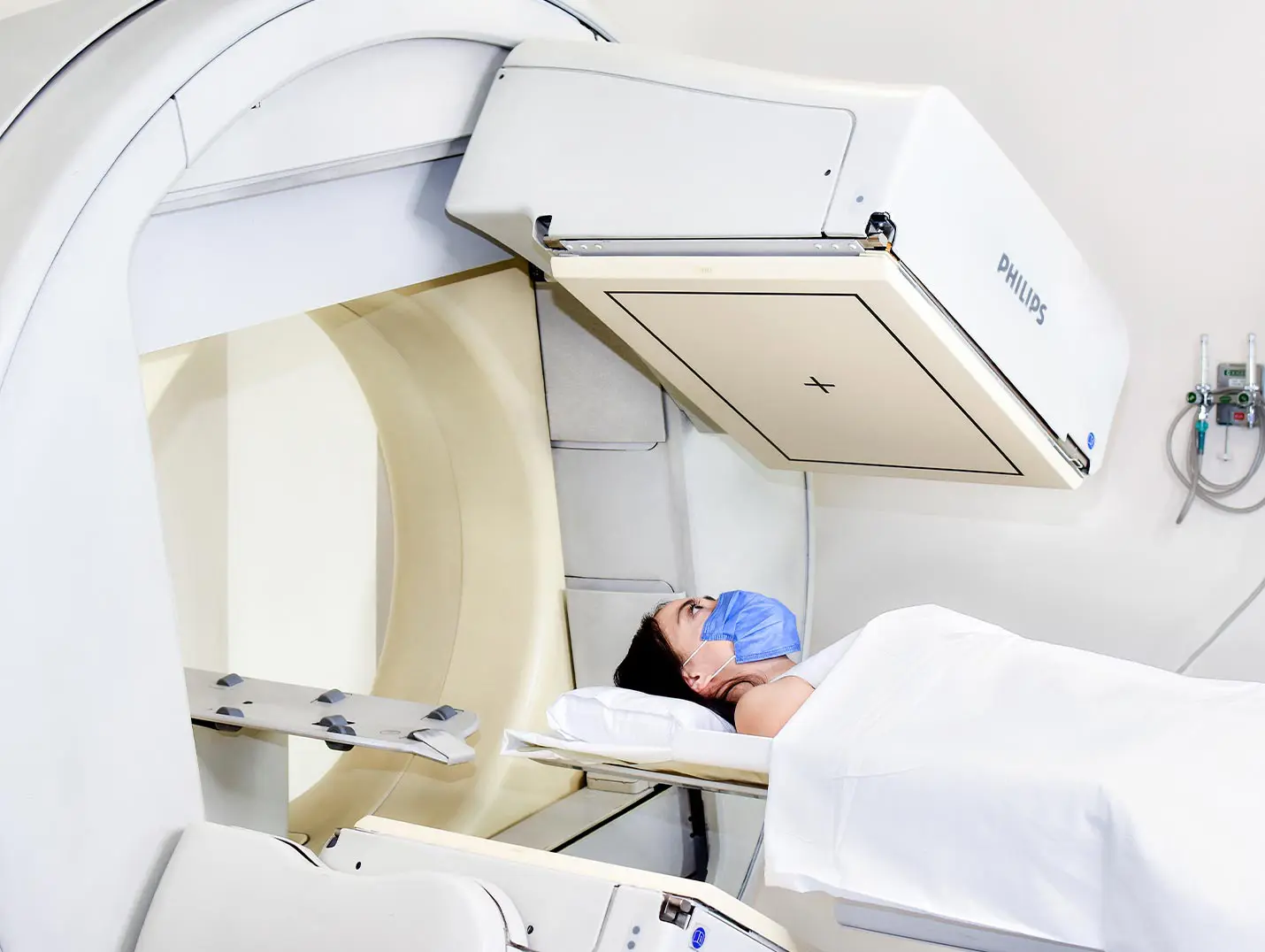
Nuclear medicine is a medical specialty that uses small amounts of radioactive substances to diagnose and treat diseases.
The most common nuclear medicine tests are bone scans, renal scans, thyroid scans, and positron emission tomography (PET).
To perform a nuclear medicine scan, a radioactive substance is administered to the patient orally, intravenously, or by inhalation. A special camera is then used to detect the radiation emitted by the body and obtain detailed images.
Yes, nuclear medicine tests are safe and do not cause pain or discomfort. The radiation doses used are very low, and the benefits of obtaining an accurate diagnosis outweigh the risks.
Preparation for a nuclear medicine test may vary depending on the type of test. In some cases, you will need to fast or stop taking certain medications before the procedure. Your doctor will provide specific instructions.

 560 México Highway, Pastoresa, 91193 Xalapa, Ver.
  +52 228 141 0800
  9:00 a.m. to 7:00 p.m.