Emergency and scheduled procedures aimed at reducing the incidence and effects of cardiovascular and neurovascular diseases, using the most advanced technology.
 9670 Bernardo Quintana Arrioja Boulevard, Centro Sur, 76090 Santiago de Querétaro, Querétaro
 +52 442 261-4200
Ext.
+52 442 261-4200
Ext.

The Cardiac Catheterization Service at Hospital Angeles Centro Sur on the diagnosis and treatment of cardiovascular and peripheral vascular diseases. Our team of hemodynamics experts uses state-of-the-art technology to perform high-precision diagnostic and therapeutic procedures.
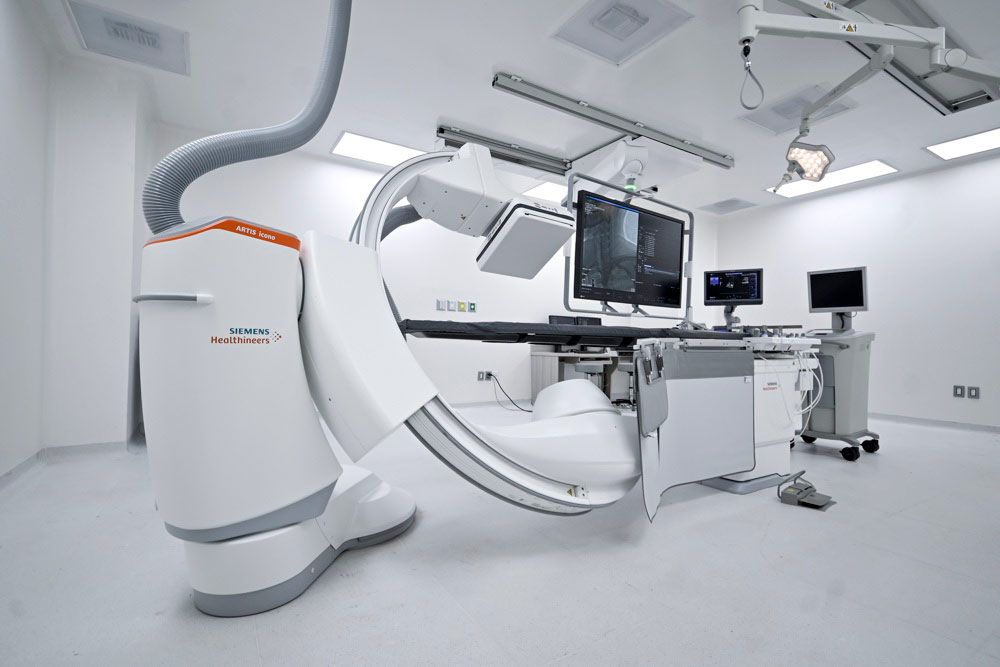
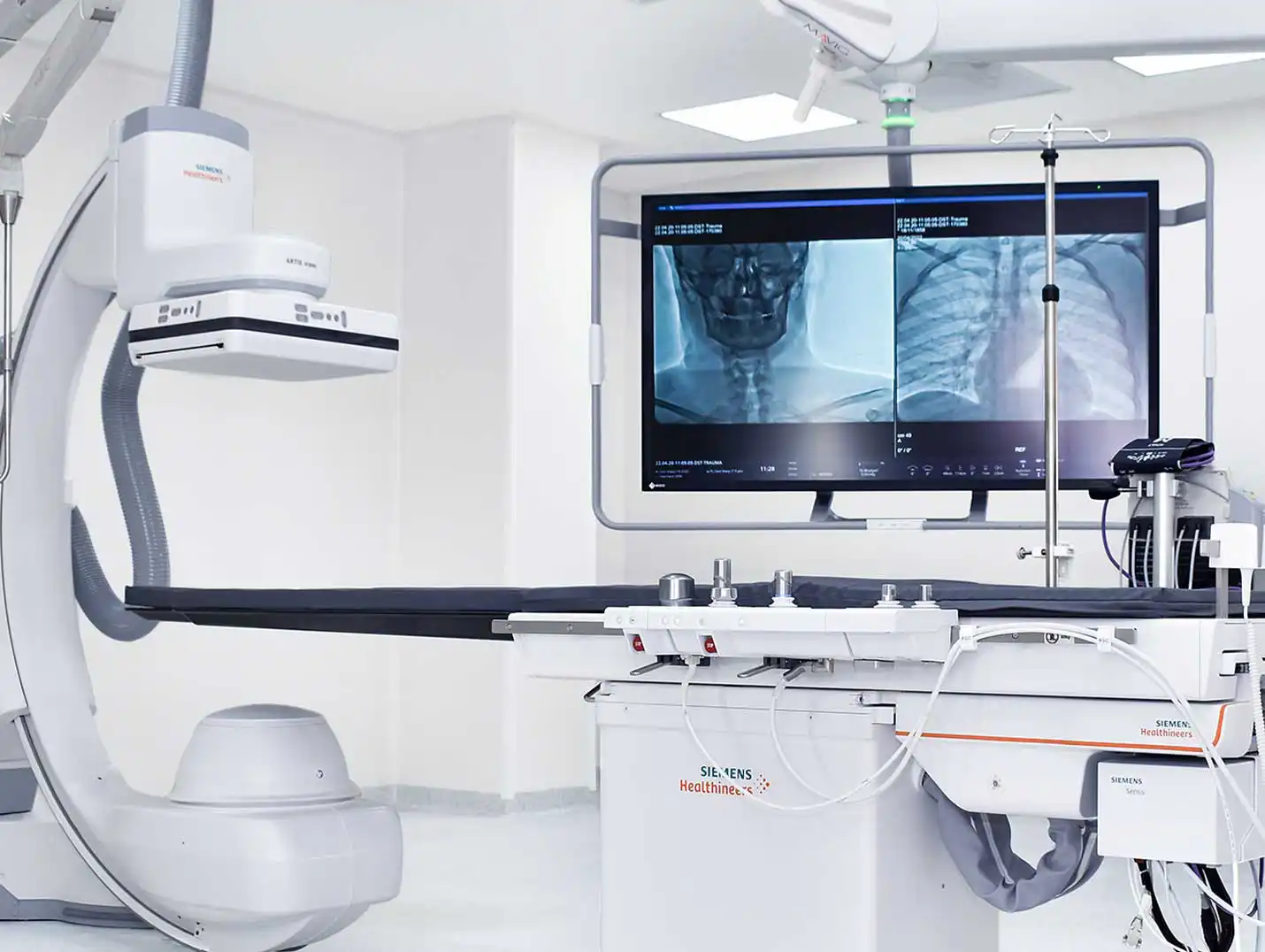
At Hospital Angeles Centro Sur a fully equipped hemodynamics laboratory where various procedures are performed, including cardiac catheterizations, angioplasties, stent placements, and embolizations, among others. These procedures are performed safely and efficiently, with the goal of improving our patients’ cardiovascular health.
Our highly trained and experienced hemodynamics medical team works collaboratively to provide comprehensive and personalized care to each patient. We focus on delivering accurate diagnoses and effective treatments using the most advanced and safe techniques available.
At Hospital Angeles Centro Sur care about the health and well-being of our patients, which is why we strive to offer a hemodynamics service of the highest quality and excellence. Our commitment is to provide first-rate medical care, with optimal and satisfactory results for our patients.
If you are looking for a professional hemodynamics service, please do not hesitate to contact us. At Hospital Angeles Centro Sur to help you take care of your cardiovascular health.
Hemodynamics is a medical specialty focused on the study and diagnosis of diseases of the cardiovascular system. It is used to assess the function of the heart and blood vessels, as well as to perform therapeutic procedures such as angioplasty and stent placement.
Some of the most common procedures performed in the catheterization laboratory include coronary angiography, coronary angioplasty, stent placement, tumor embolization, and the repair of vascular malformations.
A cardiac catheterization procedure is performed in a specialized laboratory. A catheter is inserted through an artery or vein in the groin or arm and guided to the area to be treated. A contrast dye is then injected to visualize the blood vessels, and the necessary procedures are performed.
The duration of a cardiac catheterization procedure can vary depending on the type of procedure and the complexity of the case. It generally lasts between 30 minutes and several hours.
Although cardiac catheterization procedures are considered safe, there are some associated risks. These may include allergic reactions to the contrast dye, bleeding at the puncture site, infections, and damage to blood vessels. However, these risks are rare, and the benefits of the procedures usually outweigh the potential risks.