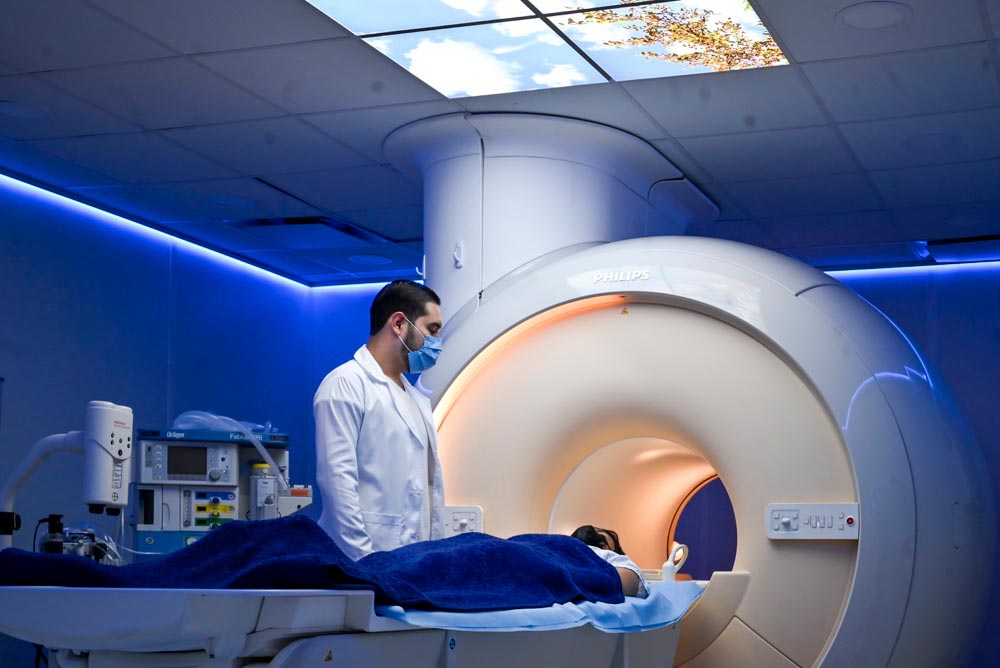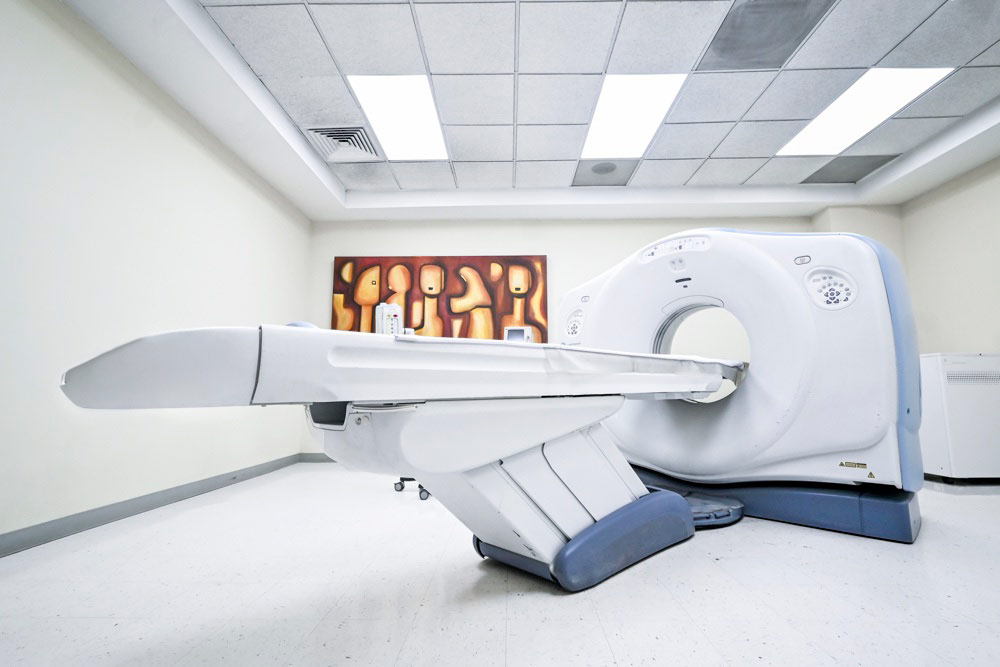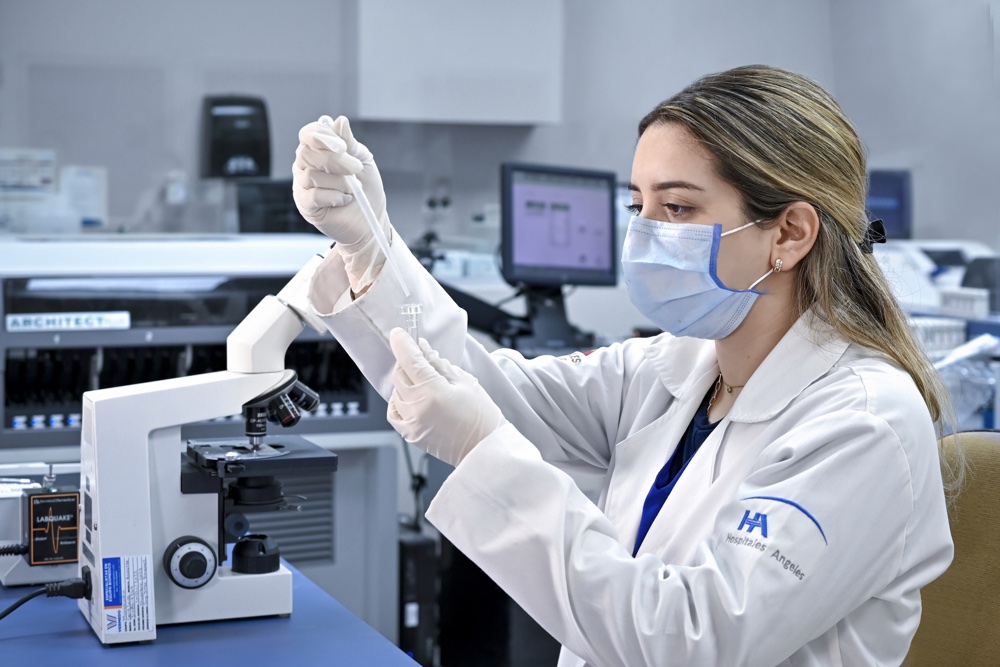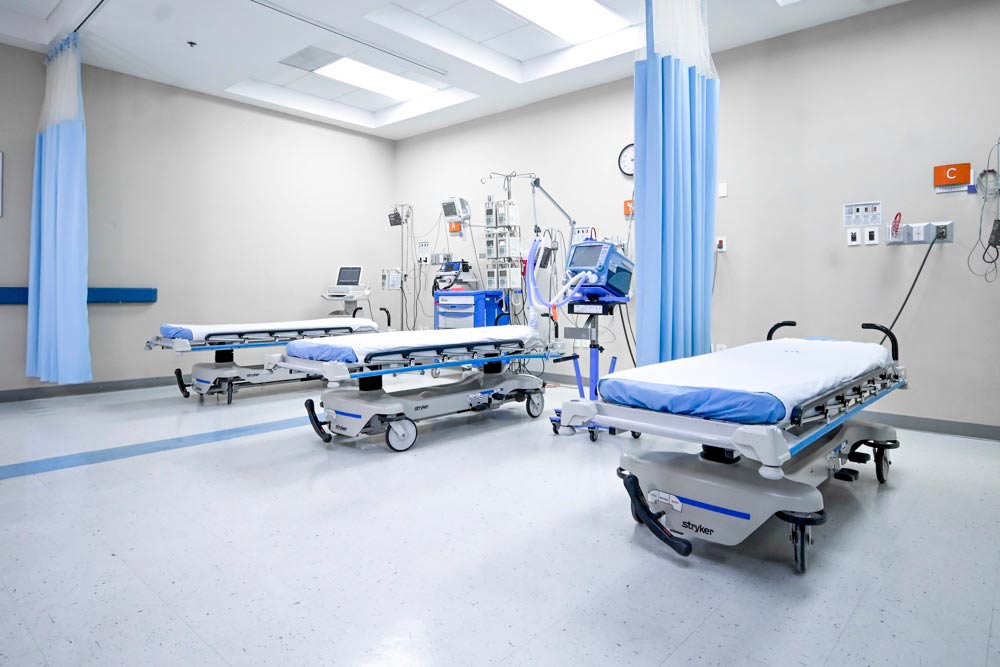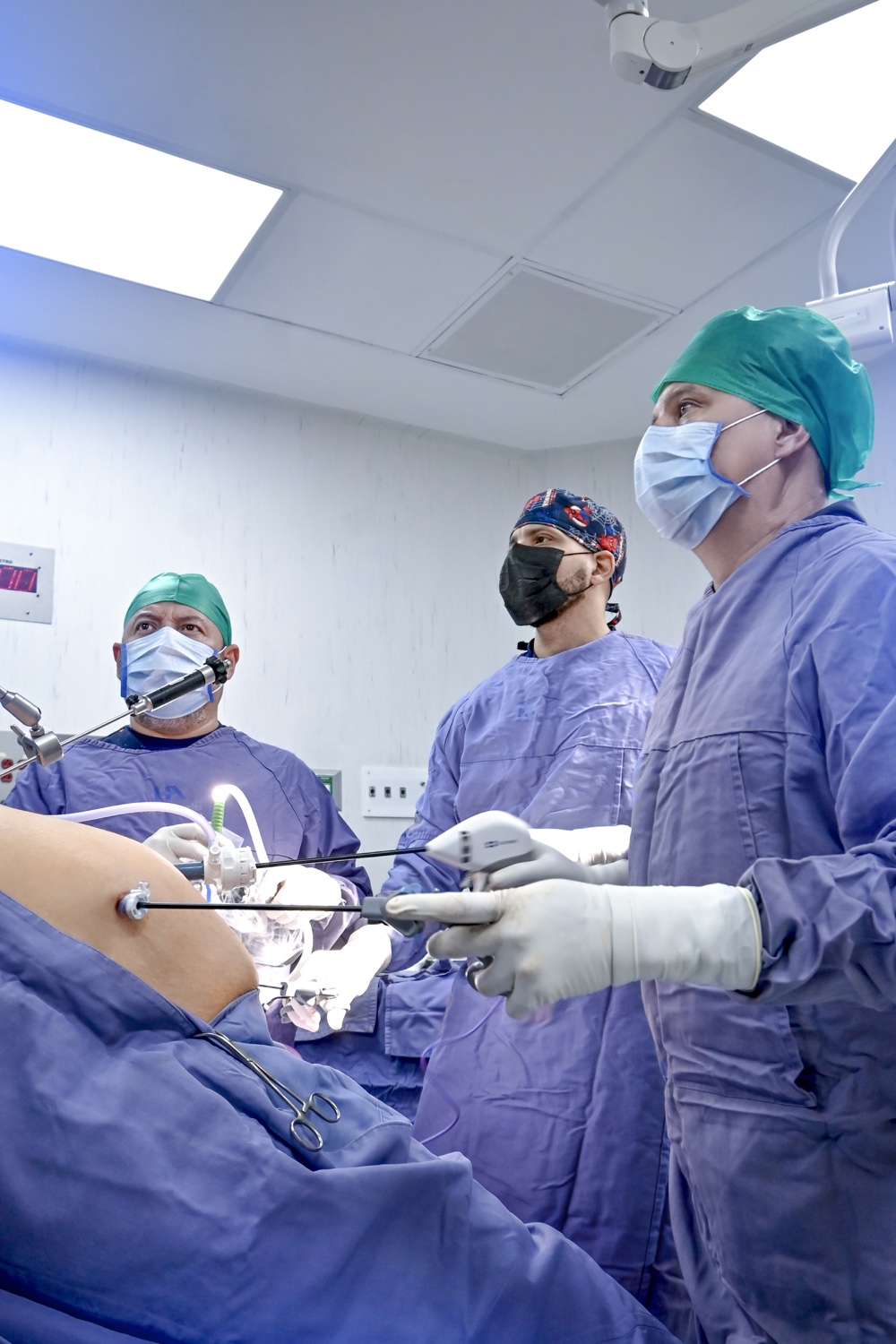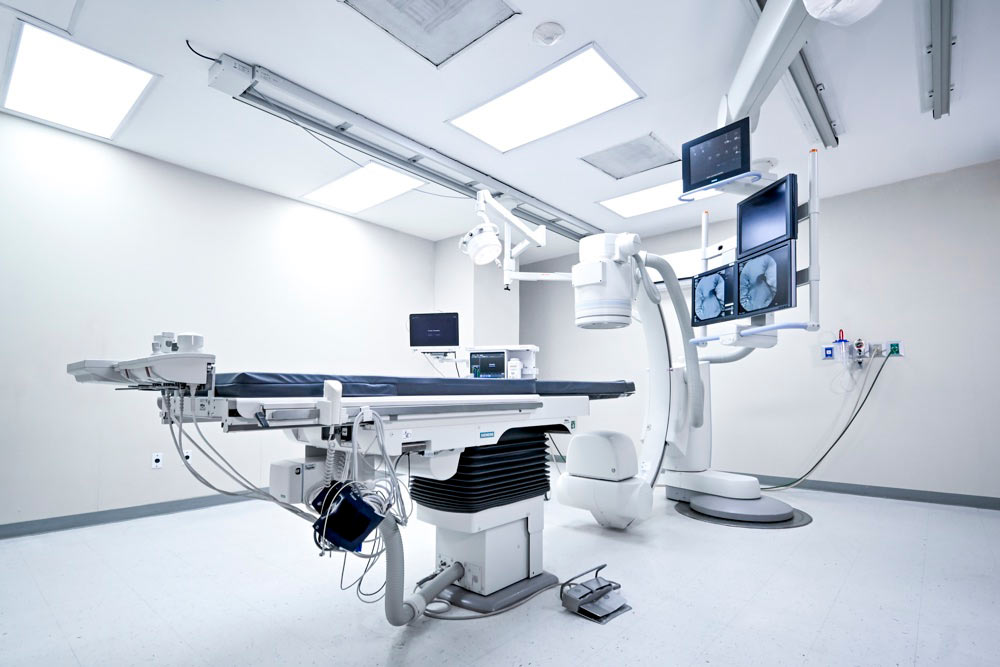
Emergency and scheduled procedures aimed at reducing the incidence and effects of cardiovascular and neurovascular diseases, using the most advanced technology.
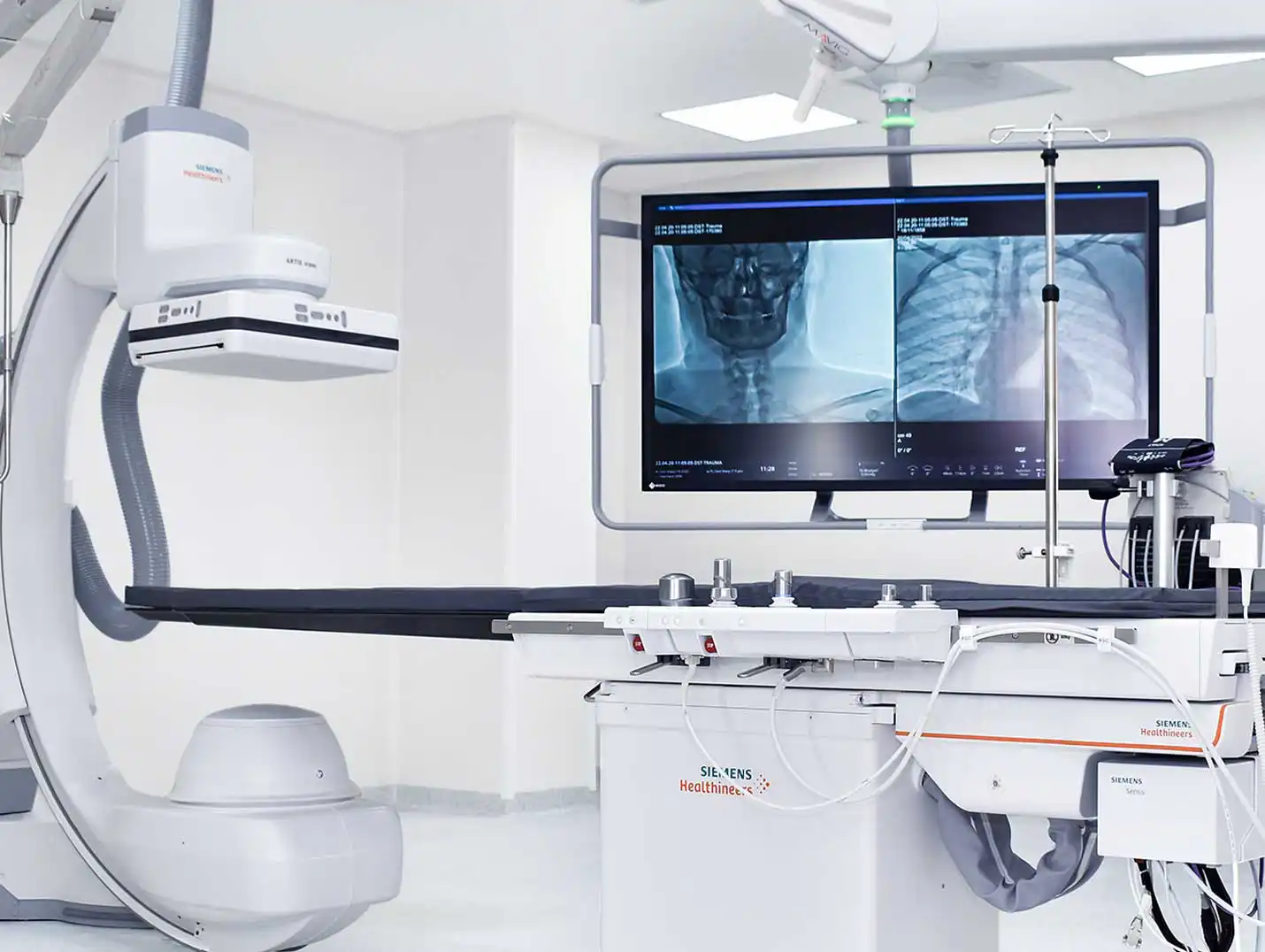
 2139 Alfonso G. Calderón Blvd., Country Alamos, 80107 Culiacán , Sin., México
 +52 667 758 7700
Ext. 2136
+52 667 758 7700
Ext. 2136
 24 hours
Hemodynamics is a medical specialty focused on the study and diagnosis of diseases of the cardiovascular system. It is used to assess the functioning of the heart and blood vessels.
Some of the most common procedures performed in the catheterization laboratory include coronary angiography, coronary angioplasty, stent placement, tumor embolization, and the repair of vascular malformations.
The cardiac catheterization procedure is performed in a specialized room. A catheter is inserted through an artery or vein in the groin or arm and guided to the area to be treated. A contrast agent is then injected to visualize the blood vessels, and the necessary procedures are performed.
The duration of a cardiac catheterization procedure can vary depending on the type of procedure and the complexity of the case. It usually lasts between 30 minutes and several hours.
During a cardiac catheterization procedure, local anesthesia is administered at the catheter insertion site, so the patient should not feel any pain. However, the patient may experience a sensation of pressure or mild discomfort during the procedure.