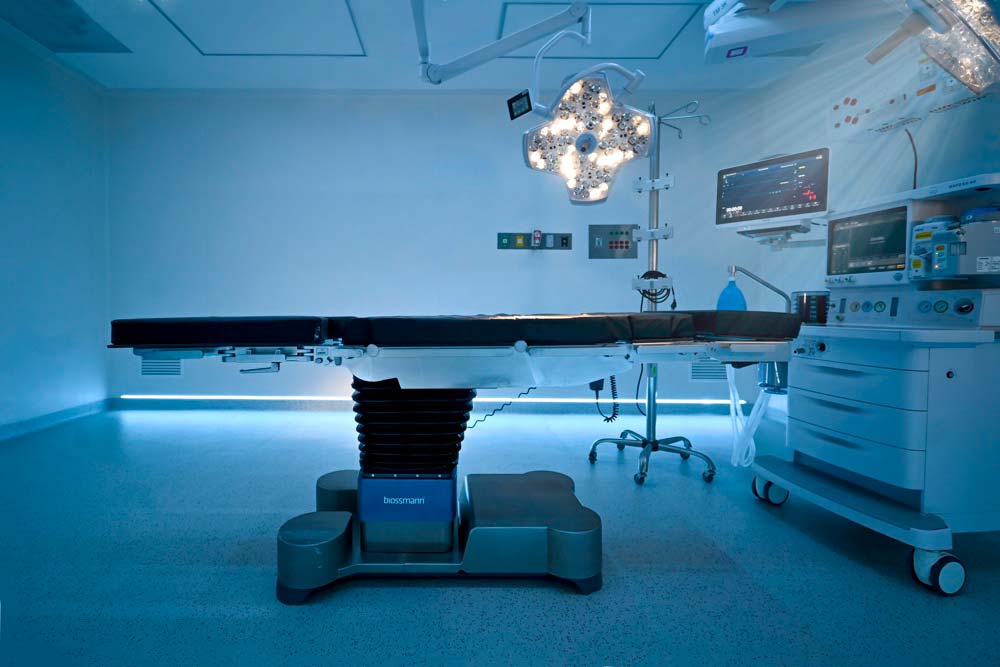
Emergency and scheduled procedures aimed at reducing the incidence and effects of cardiovascular and neurovascular diseases, using the most advanced technology.
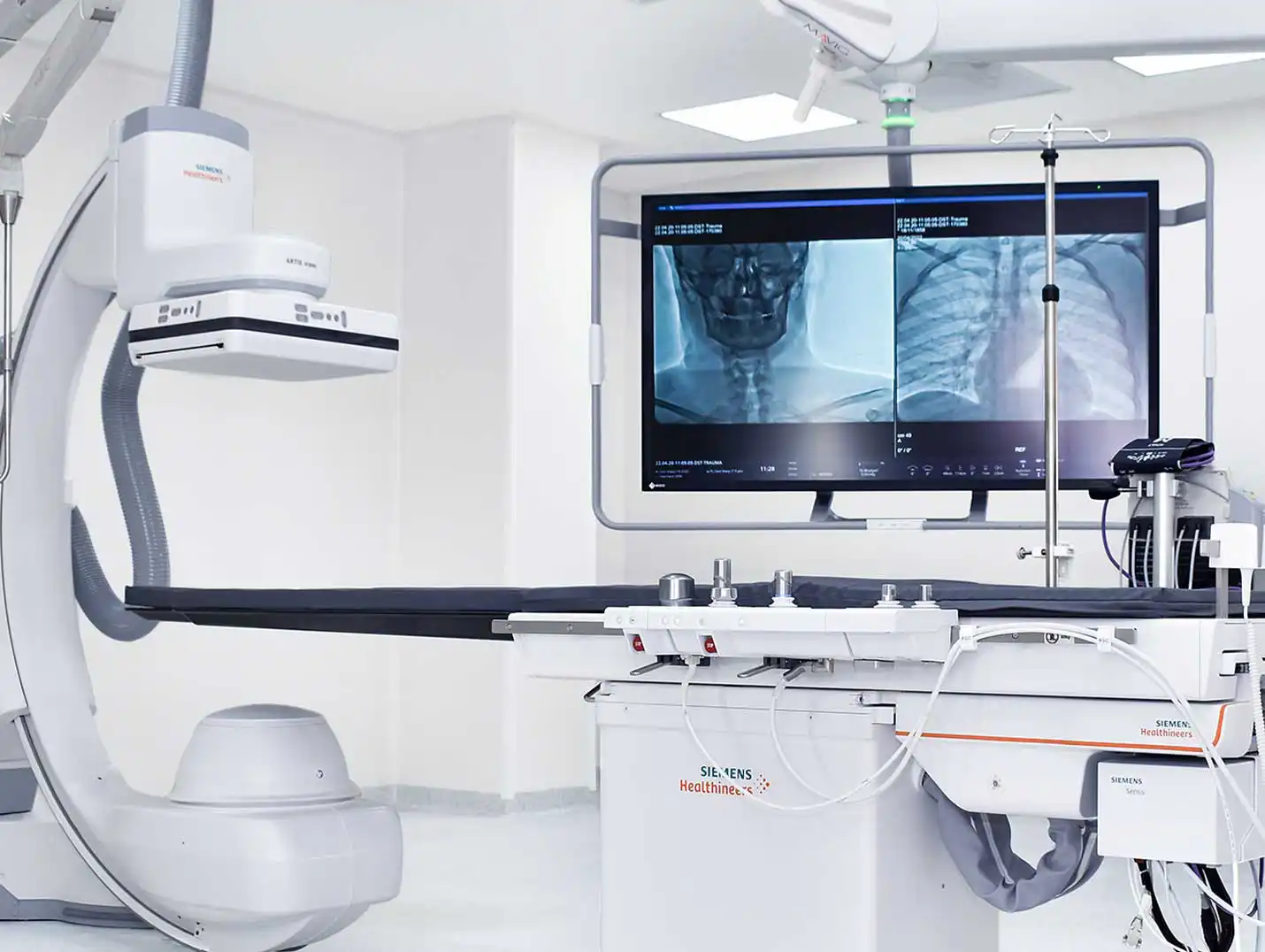
Hemodynamics is a medical specialty that focuses on the study and diagnosis of diseases of the cardiovascular system.
Hemodynamics provides detailed images of the cardiovascular system, which facilitates the diagnosis of heart and vascular diseases.
The hemodynamic study is performed in a special room. A catheter is inserted into one of the patient’s arteries or veins and guided to the heart or blood vessels using real-time imaging. During the procedure, blood samples may be taken, blood pressure may be measured, and angiograms may be performed.
A hemodynamic study is indicated in cases where heart or vascular diseases are suspected, such as angina, myocardial infarction, coronary artery disease, and aneurysms, among others. It is also used to evaluate the effectiveness of previous treatments or to perform therapeutic procedures.
Although cardiac catheterization is a safe procedure, there are some associated risks, such as allergic reactions to the contrast dye used, bleeding at the puncture site, infections, and damage to blood vessels or the heart, among others.

 Querétaro Street, Roma ., 06700 México City, CDMX
  +52 55 5265 3000
  24 hours