Emergency and scheduled procedures aimed at reducing the incidence and effects of cardiovascular and neurovascular diseases, using the most advanced technology.
 10999 Paseo de Los Heroes Ave., Zona Río, Tijuana Urban Area, 22010 Tijuana,
 +52 664 635 1900
Ext. 1009
+52 664 635 1900
Ext. 1009
 24 hours
Hemodynamics is a medical specialty focused on the study and diagnosis of diseases of the cardiovascular system. It is used to assess the function of the heart and blood vessels, as well as to perform therapeutic procedures such as angioplasty and stent placement.
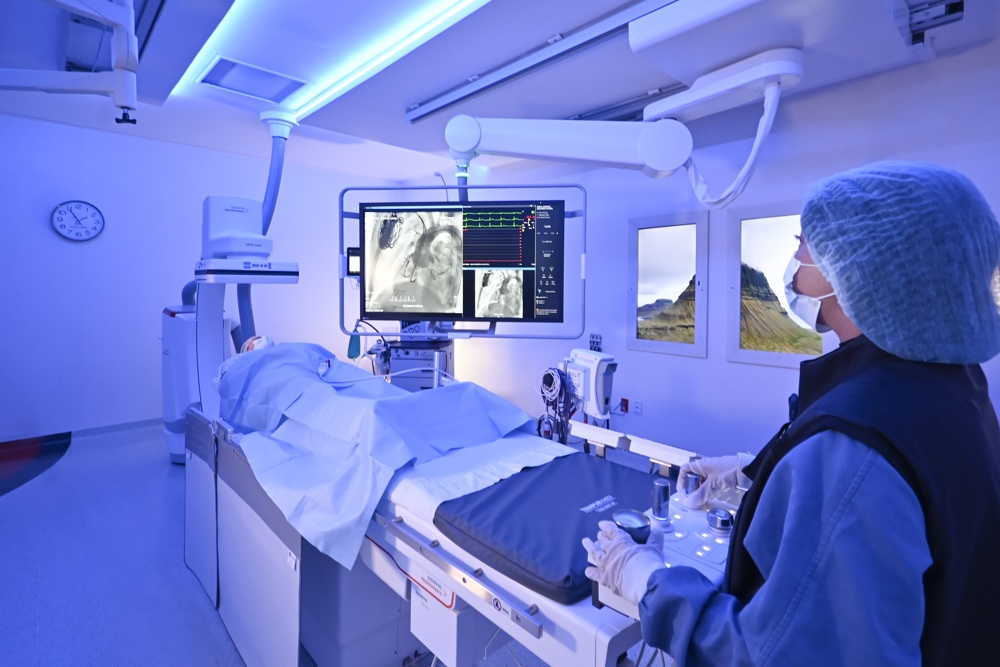
Hemodynamics provides detailed images of the cardiovascular system, which facilitates the diagnosis of heart and vascular diseases. In addition, it enables minimally invasive procedures, thereby reducing risks and recovery time for the patient.
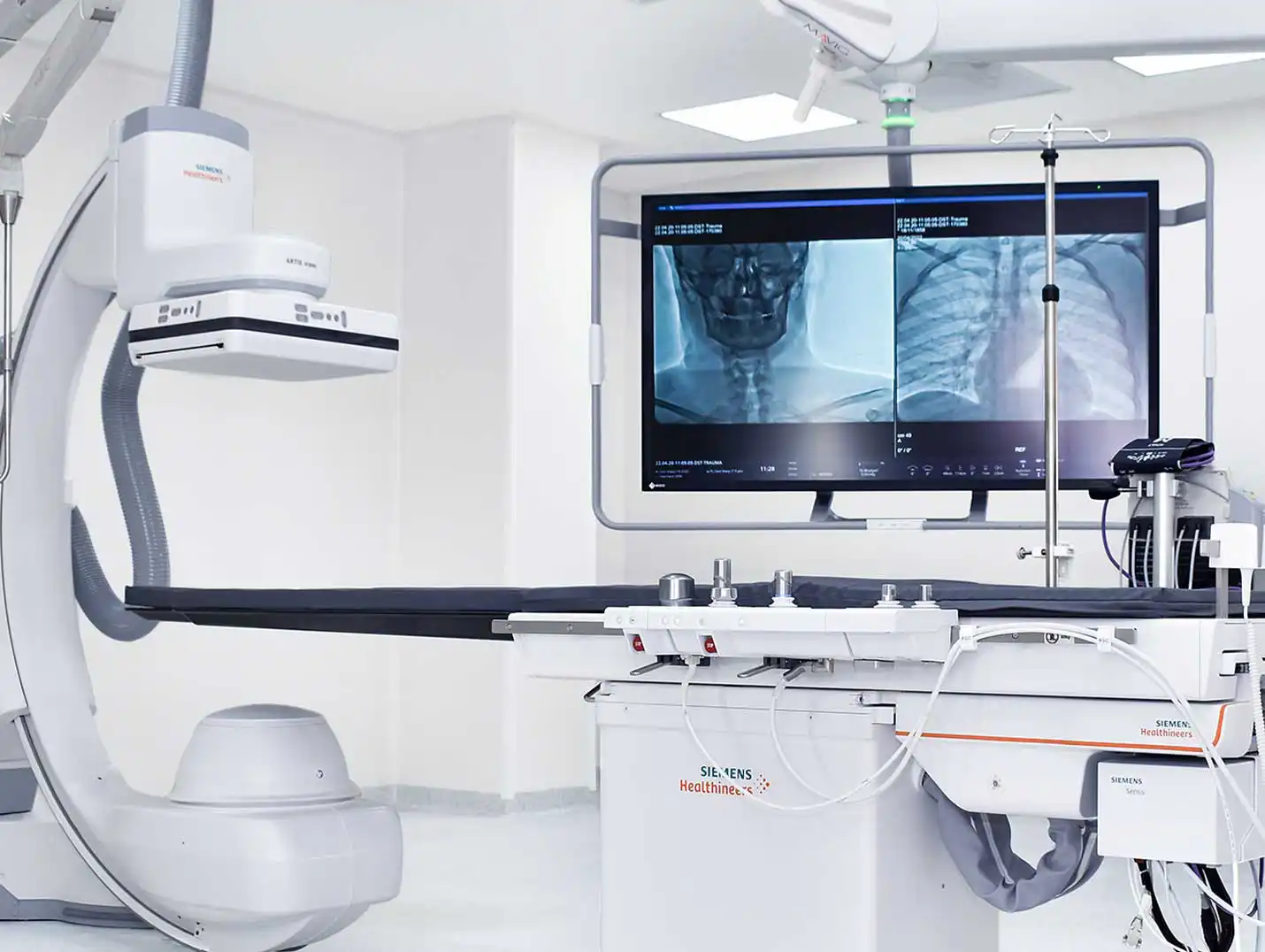
The cardiac catheterization procedure is performed in a specialized laboratory. A catheter is inserted into one of the patient’s arteries or veins and guided to the area to be examined or treated. A contrast agent is injected through the catheter, allowing the cardiovascular system to be visualized in real time using X-rays or moving images.
The duration of a cardiac catheterization procedure can vary depending on the type of test or treatment being performed. In general, it can last between 30 minutes and 2 hours. However, it is important to keep in mind that each case is unique, and the exact duration will be determined by the specialist.
During a cardiac catheterization procedure, local anesthesia is administered to the area where the catheter is inserted, so the patient should not feel any pain. However, you may experience a sensation of pressure or mild discomfort. The doctor and medical team will be present to ensure your comfort and safety at all times.