Hemodynamics

Hemodynamics

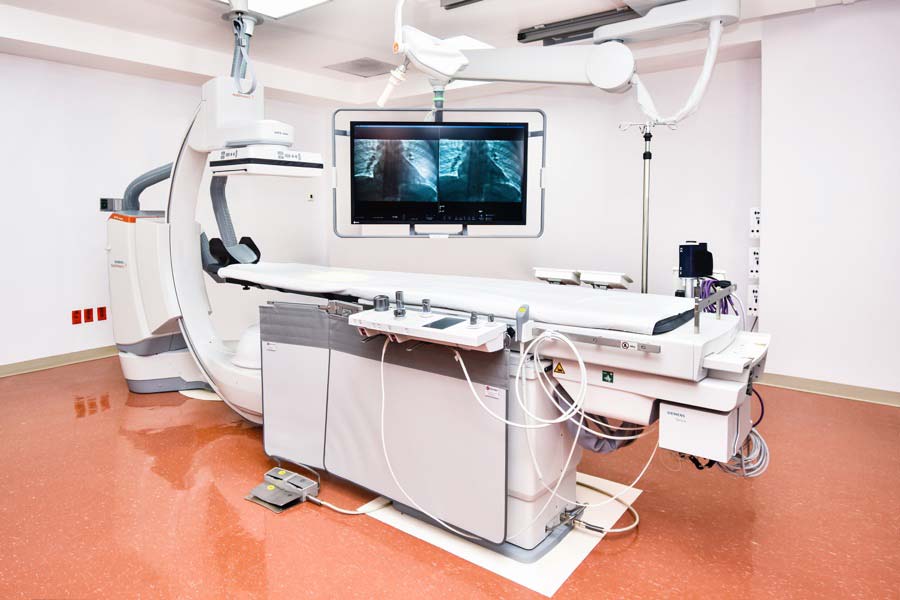
Emergency and scheduled procedures aimed at reducing the incidence and effects of cardiovascular and neurovascular diseases, using the most advanced technology.
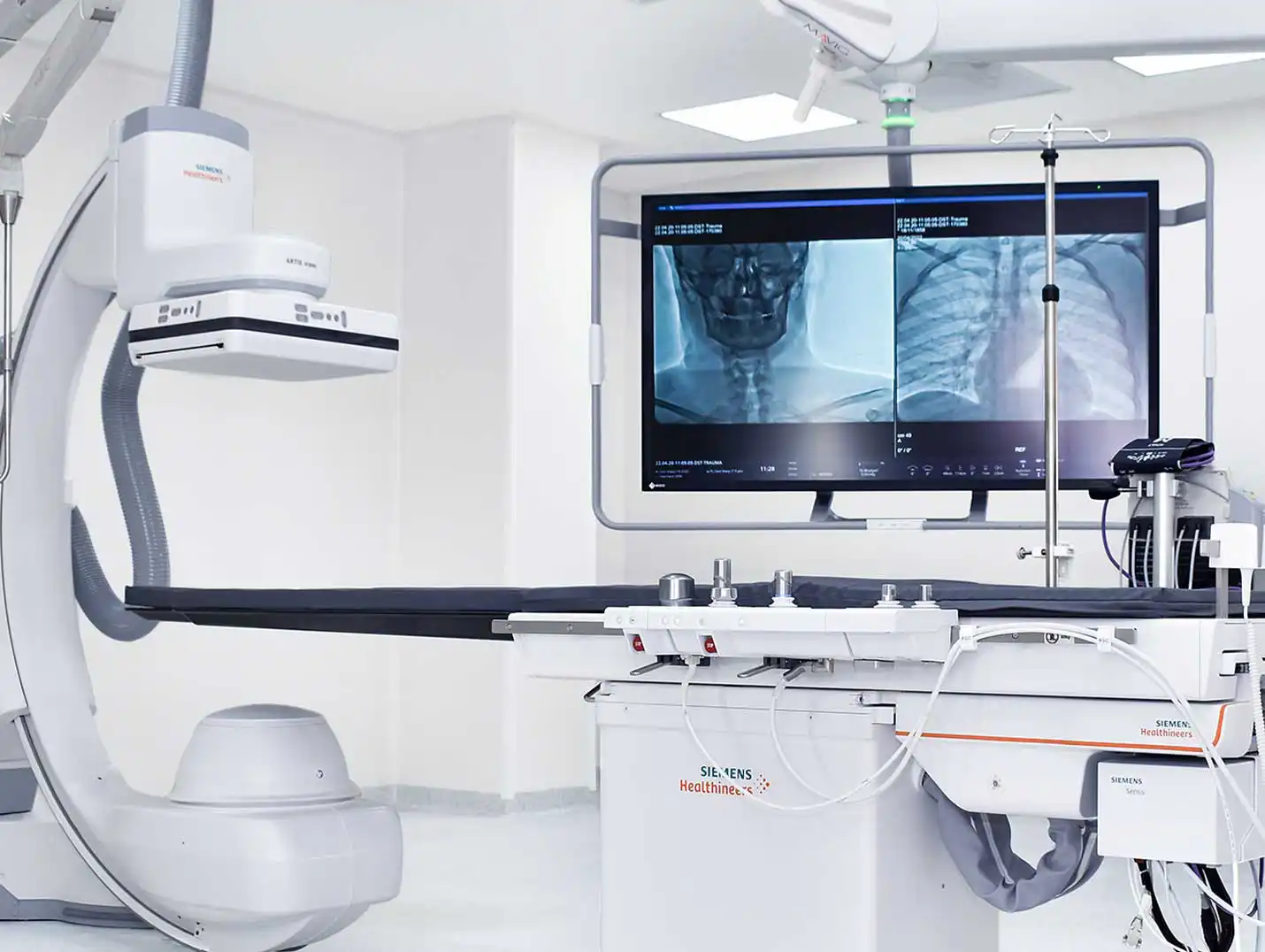


A cardiac catheterization system with controls and a large screen on the side displaying an image of the head and chest A cardiac catheterization system with controls and a large screen on the side displaying an image of the head and chest

Blue location pin icon on a white background. 59 Tlacotalpan Street, Roma , 06760 México City, CDMX

+52 55 5265 1800 Ext. 1061 and 1062

24 hours

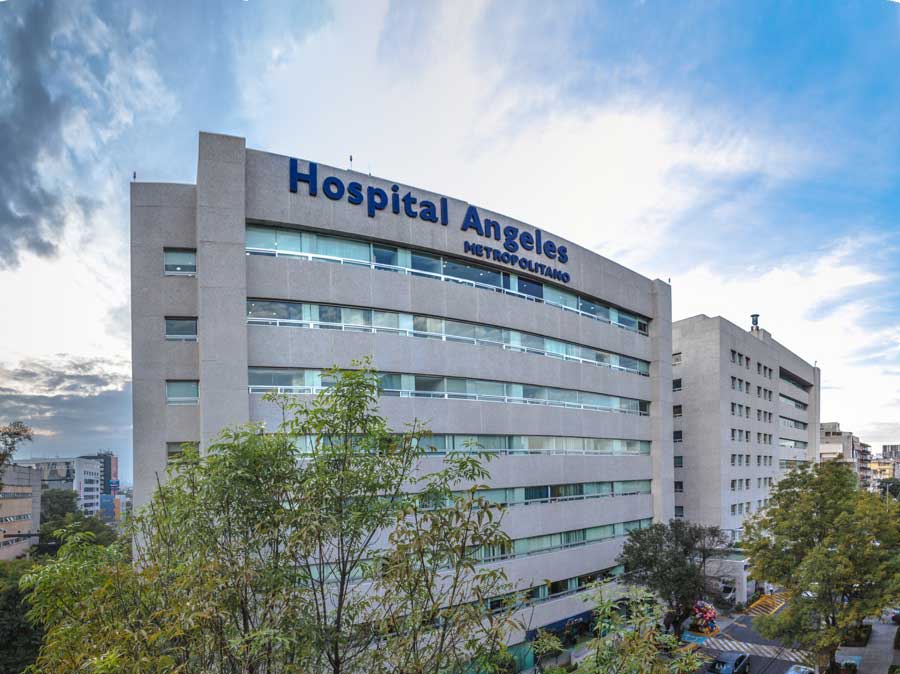
The Hemodynamics Service at Hospital Angeles Metropolitano on the study and treatment of cardiovascular diseases using advanced techniques and state-of-the-art equipment.

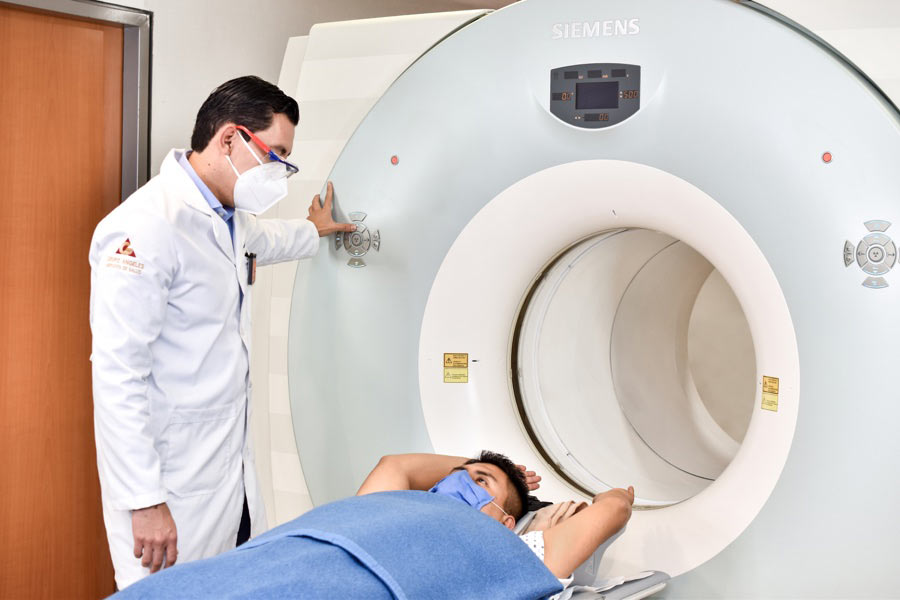
Our team of highly trained and experienced hemodynamics specialists performs diagnostic and therapeutic procedures to evaluate and treat various conditions of the cardiovascular system. These procedures include angiograms, angioplasties, stent placements, and other interventional treatments.

At Hospital Angeles Metropolitano Hospital Angeles ,Metropolitano committed to providing our patients with high-quality, personalized care. Our goal is to offer effective and safe solutions to improve our patients’ cardiovascular health.

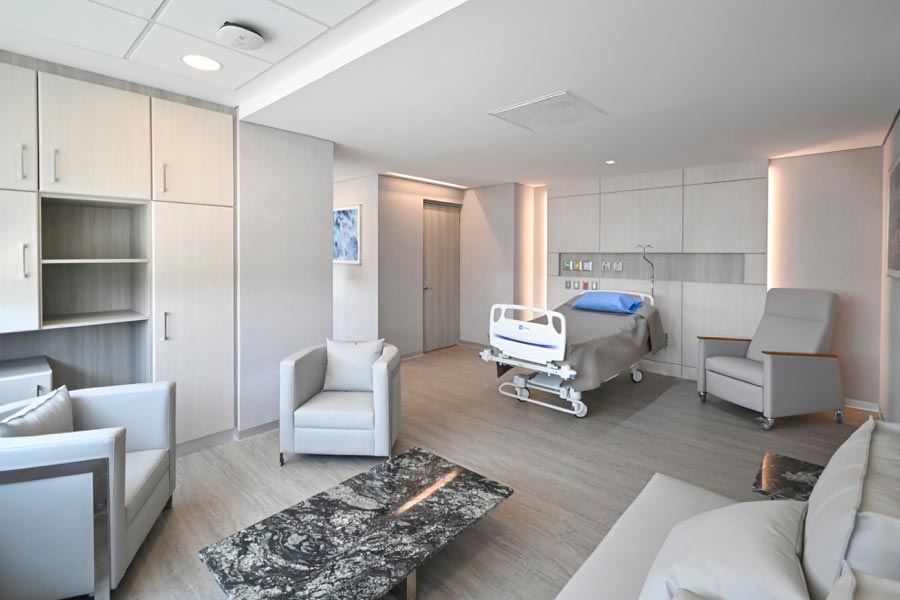
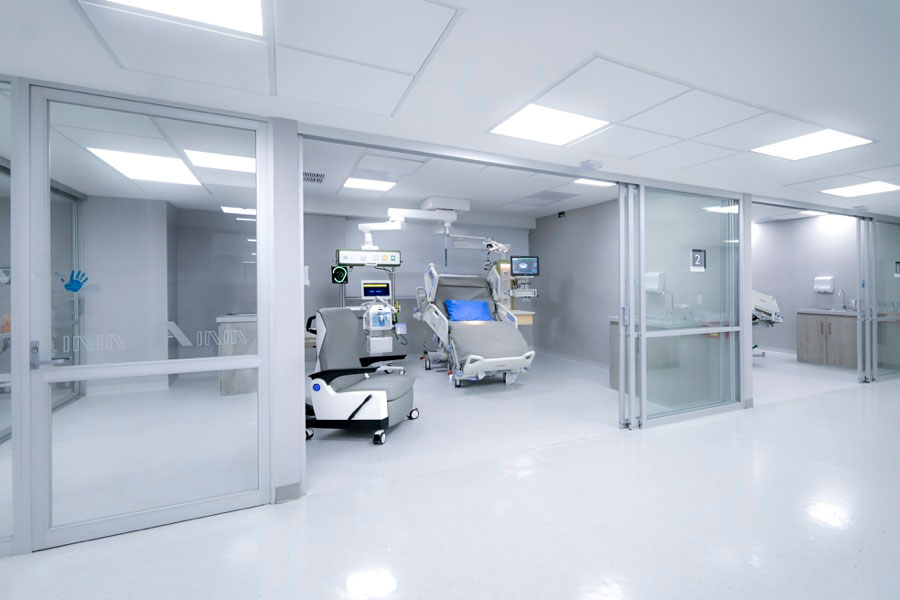
In addition, we have modern and comfortable facilities that ensure our patients’ comfort and well-being during their hospital stay. Our medical and nursing team is committed to providing excellent service, focused on comprehensive care for each patient.

If you’re looking for a reliable, high-quality hemodynamics service, Hospital Angeles Metropolitano your best choice. Trust our team of experts and receive the treatment you need to improve your cardiovascular health.

Frequently Asked Questions

Hemodynamics is a medical specialty focused on the study and treatment of diseases of the cardiovascular system. It is used to diagnose and treat problems in the blood vessels, the heart, and other related structures.

Some of the most common procedures performed in the catheterization laboratory include coronary angioplasty, stent placement, and embolization of tumors and vascular malformations.

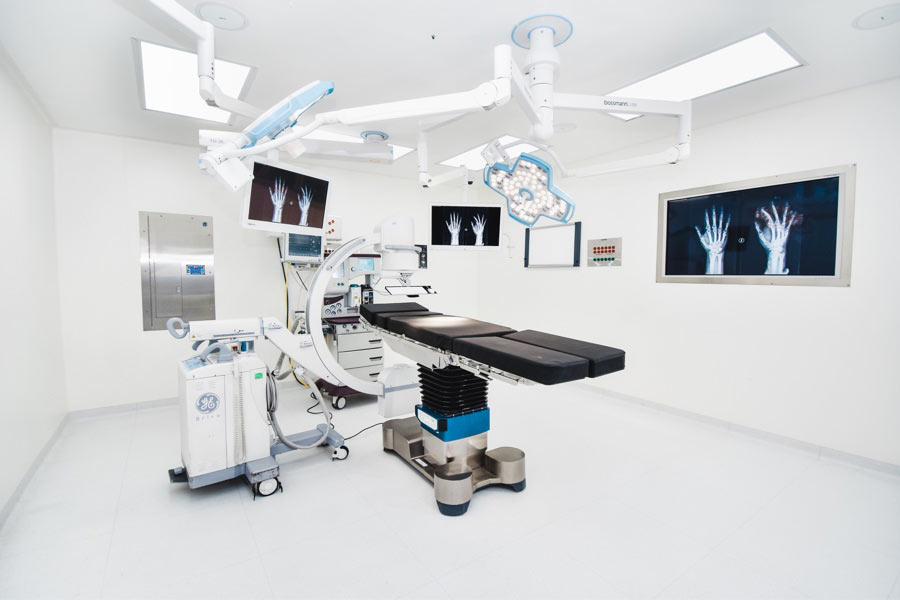
A cardiac catheterization procedure is performed in a catheterization lab. A catheter is inserted into a blood vessel through a small incision in the skin and guided to the area to be treated. Real-time imaging techniques are then used to visualize the cardiovascular system and perform the necessary procedure.

The duration of a cardiac catheterization procedure depends on the type of procedure and the complexity of the case. Generally, it can last anywhere from 30 minutes to a couple of hours.

Although cardiac catheterization procedures are safe, there are some associated risks. These may include bleeding, infection, damage to blood vessels or the heart, allergic reactions to the contrast agents used, and complications related to anesthesia.

Hospitals that offer this service

An icon of a list inside a blue circle. Next to it is a white box with the word "contact"