Hemodynamics

Hemodynamics

Emergency and scheduled procedures aimed at reducing the incidence and effects of cardiovascular and neurovascular diseases, using the most advanced technology.
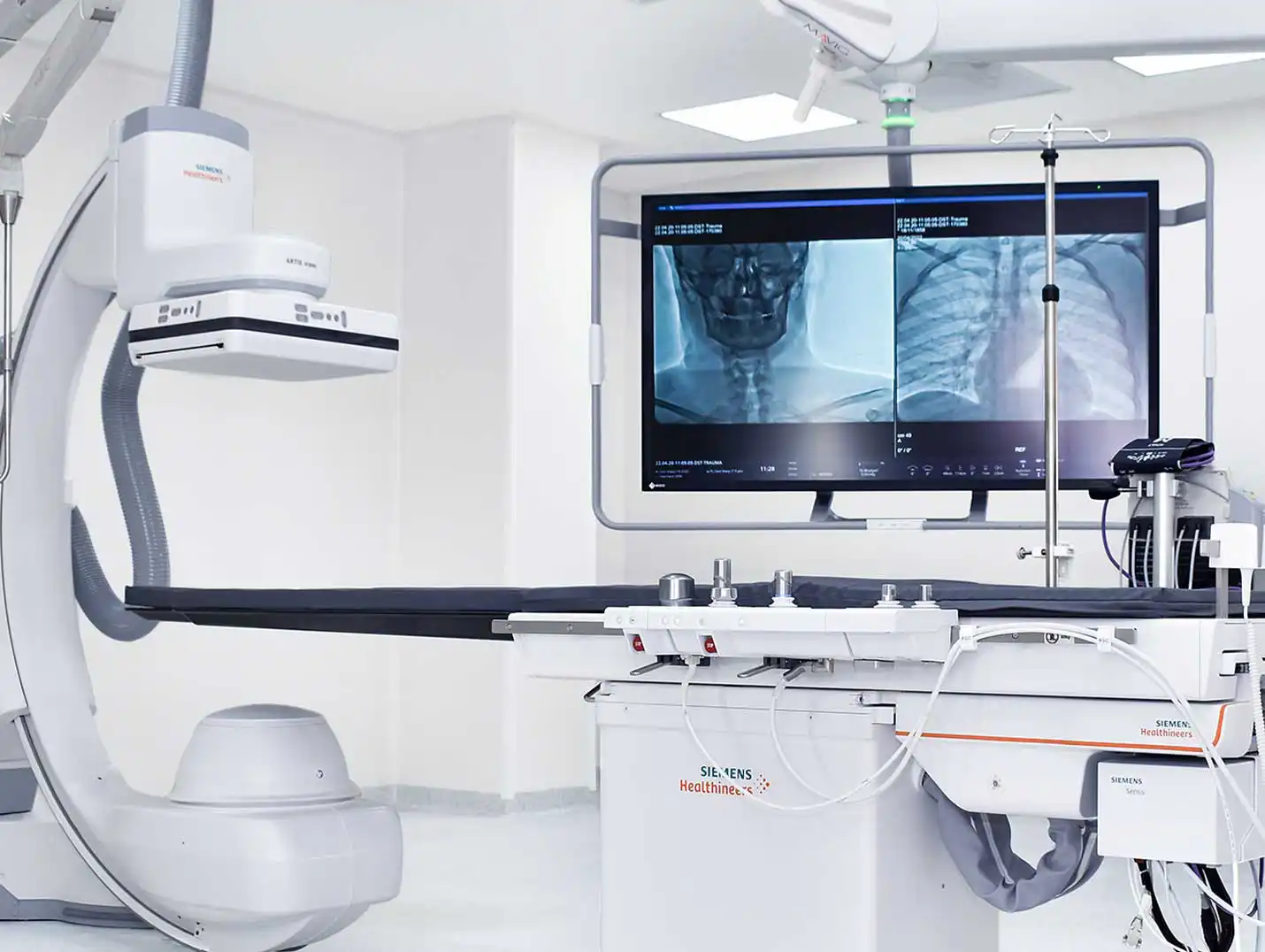


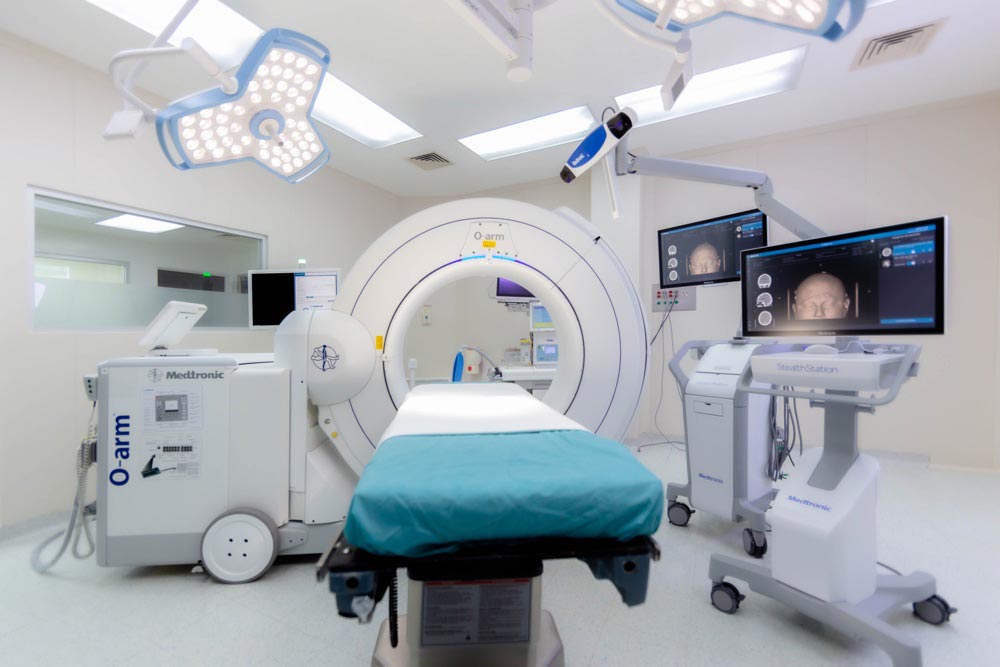
A cardiac catheterization system with controls and a large screen on the side displaying an image of the head and chest A cardiac catheterization system with controls and a large screen on the side displaying an image of the head and chest

Blue location pin icon on a white background. 3435 Tarascos Street, Monraz, 44670 Guadalajara, Jalisco

+52 33 3813 0042 Ext. 1164

24 hours

The Cardiac Catheterization Lab is a specialized medical service we offer at Hospital Angeles Carmen. This service focuses on the diagnosis and treatment of cardiovascular diseases. Our team of experts in the Cardiac Catheterization Lab uses state-of-the-art technology to perform diagnostic and therapeutic procedures.

In the diagnostic area, we perform studies such as angiography, which allows us to visualize the arteries and veins of the heart and detect possible blockages or malformations. We also perform stress tests and echocardiograms to evaluate heart function.

Regarding therapeutic procedures, we perform angioplasties and stent placements to unblock coronary arteries and restore normal blood flow. We also perform embolizations to treat vascular malformations and ablations to correct cardiac arrhythmias.

Our interventional cardiology team consists of highly trained medical specialists with extensive experience in the management of cardiovascular diseases. We take a comprehensive, multidisciplinary approach, collaborating closely with other specialists such as cardiologists, cardiovascular surgeons, and anesthesiologists.

At Hospital Angeles Carmen, we focus on providing quality care and excellence to our patients. Our goal is to improve their quality of life and offer them the best treatments available in the field of hemodynamics.

Frequently Asked Questions

Hemodynamics is a medical specialty focused on the study and diagnosis of diseases of the cardiovascular system. It is used to assess the function of the heart and blood vessels, as well as to perform therapeutic procedures such as angioplasty and stent placement.

The most common procedures performed in the catheterization laboratory are: coronary angiography, coronary angioplasty, stent placement, embolization of tumors and vascular malformations, and radiofrequency ablation.

A cardiac catheterization procedure is performed in a specialized room. A catheter is inserted into an artery or vein through a small incision in the skin and guided to the area to be treated. A contrast dye is then injected to visualize the blood vessels, and the necessary procedures are performed using special instruments.

The duration of a cardiac catheterization procedure depends on the type of procedure and the complexity of the case. It can last anywhere from 30 minutes to several hours.

Cardiac catheterization procedures are considered safe, but like any medical procedure, there are associated risks. Some of the possible risks include allergic reactions to the contrast dye, bleeding at the puncture site, infections, and damage to blood vessels.

Hospitals that offer this service

An icon of a list inside a blue circle. Next to it is a white box with the word "contact"