Emergency and scheduled procedures aimed at reducing the incidence and effects of cardiovascular and neurovascular diseases, using the most advanced technology.
 1055-S Camino de Santa Teresa, Héroes de Padierna, 10700 México City.
 +52 55 5449 5500
Ext. 2183 – 2167 - 2131
+52 55 5449 5500
Ext. 2183 – 2167 - 2131
 Monday–Friday: 7:00 a.m.–9:00 p.m. Saturday: 7:00 a.m.–8:00 p.m.
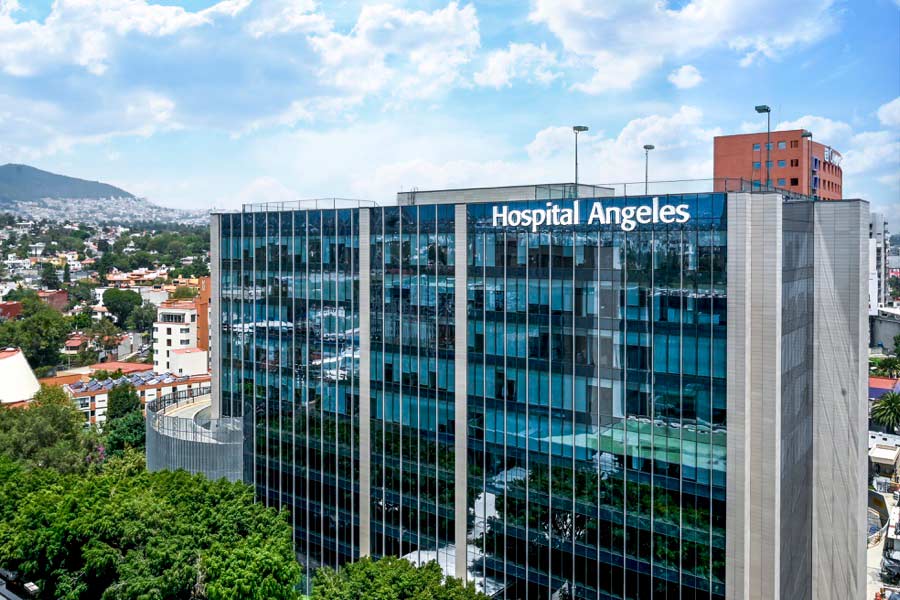
The cardiac catheterization service at Hospital Angeles Pedregal one of the most advanced units for the diagnosis and treatment of cardiovascular diseases. This medical specialty uses state-of-the-art technology and minimally invasive procedures to evaluate the function of the heart and blood vessels.
At our hospital, cardiac catheterization is performed in a specialized unit that combines highly sophisticated infrastructure with a medical team that has extensive experience in interventional cardiology.
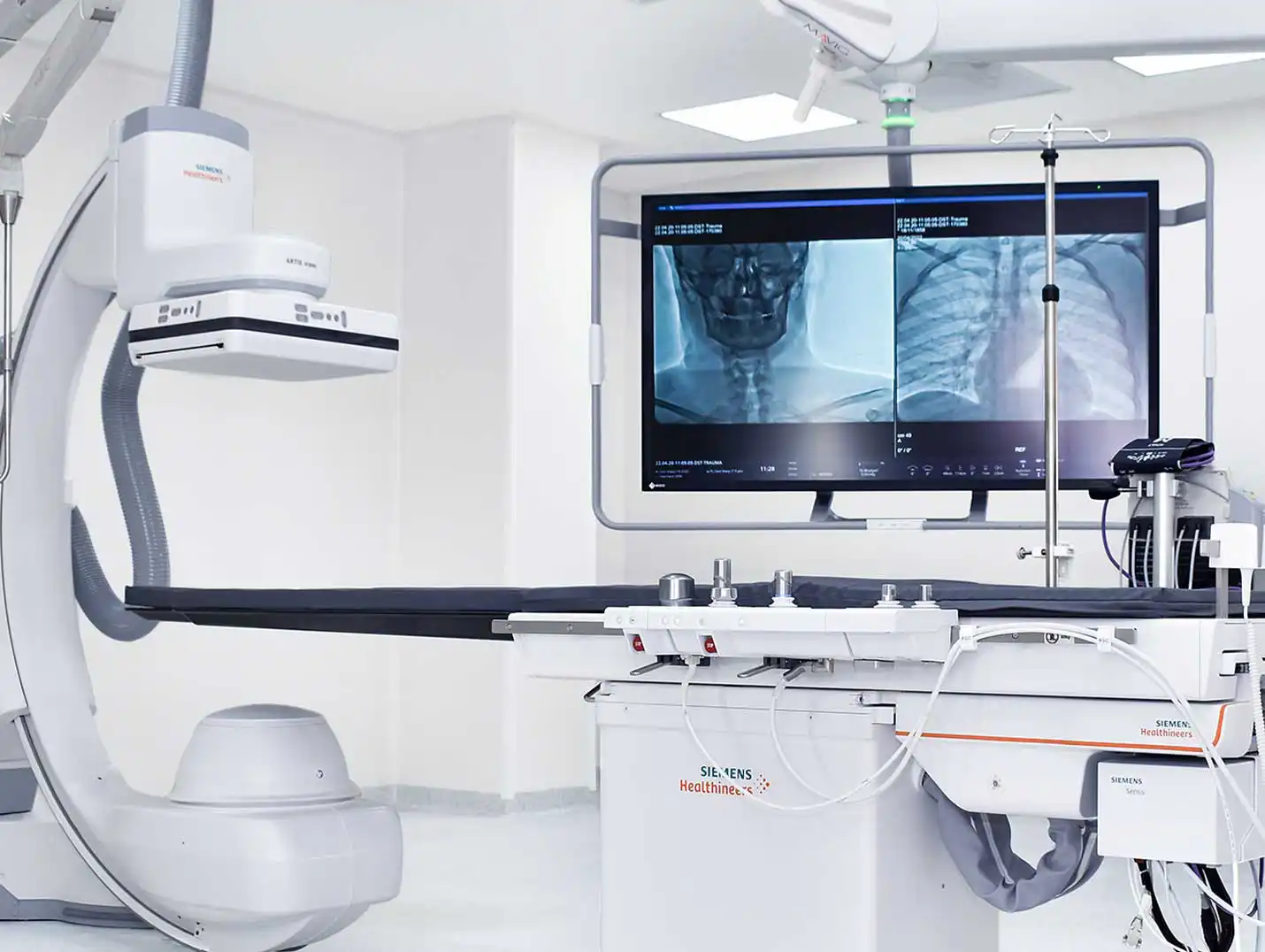
Hemodynamics at this institution allows for real-time visualization of blood flow, detection of arterial blockages, measurement of intracardiac pressures, and guidance for stent placement, angioplasty, or cardiac catheterization. These procedures are essential for preventing heart attacks, treating ischemic heart disease, and improving circulation in patients at cardiovascular risk.
One of the main advantages of this service is its ability to intervene effectively without resorting to open surgery. This allows many patients to resume their daily activities sooner, with less physical impact and a higher rate of therapeutic success. Additionally, continuous supervision by interventional cardiologists facilitates rapid and informed clinical decision-making.
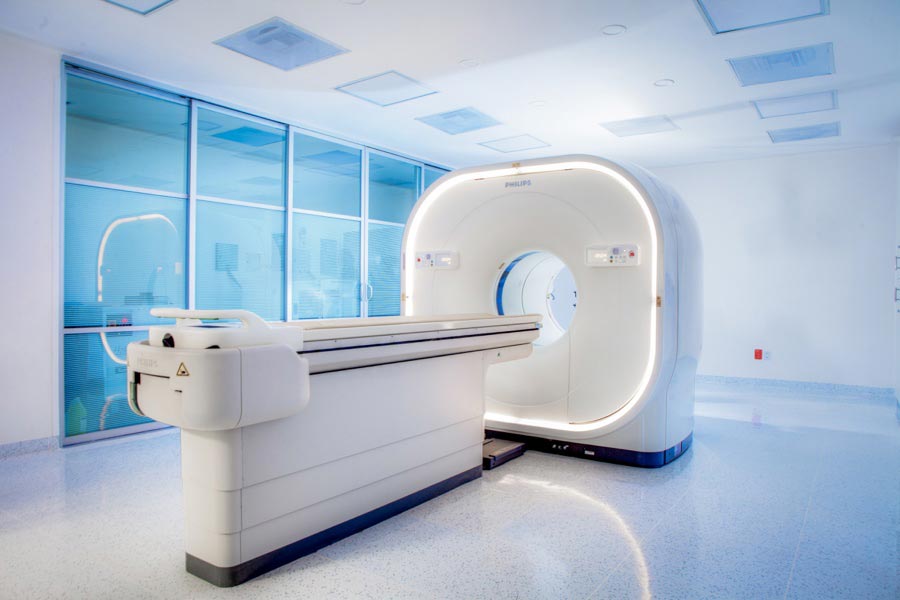
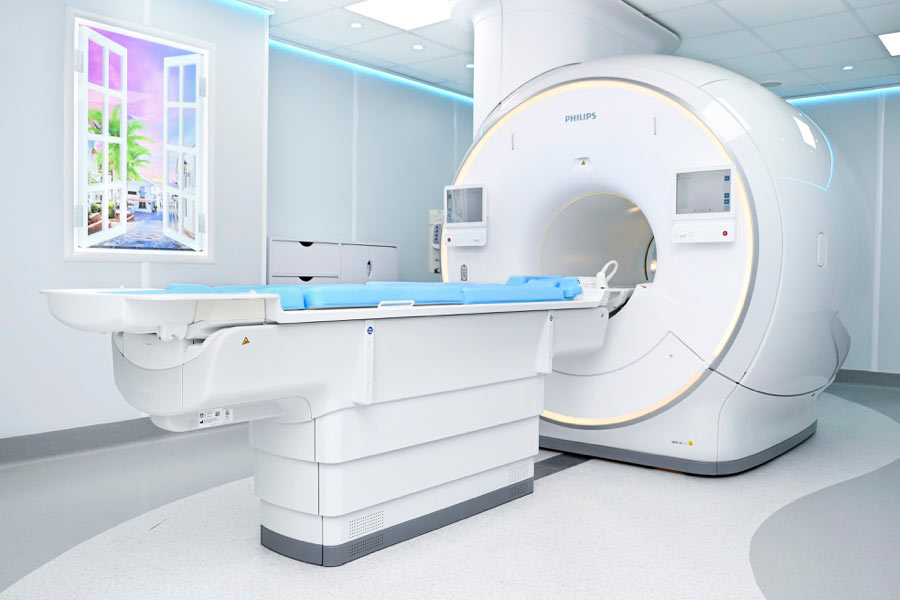
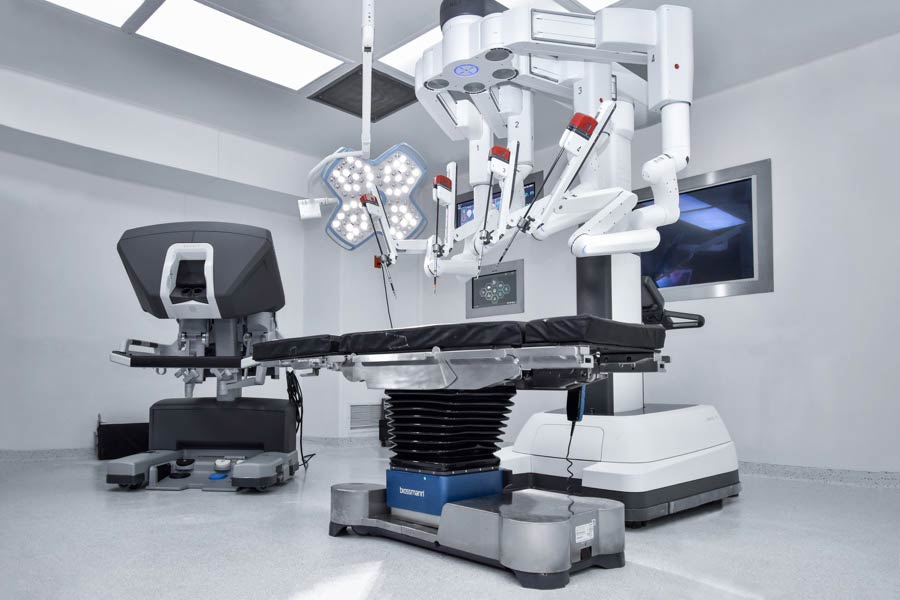
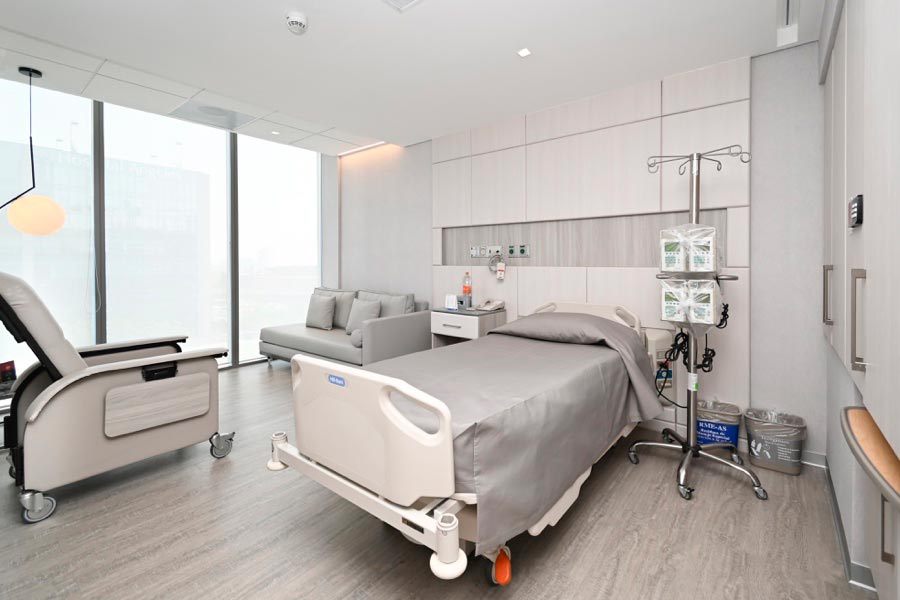
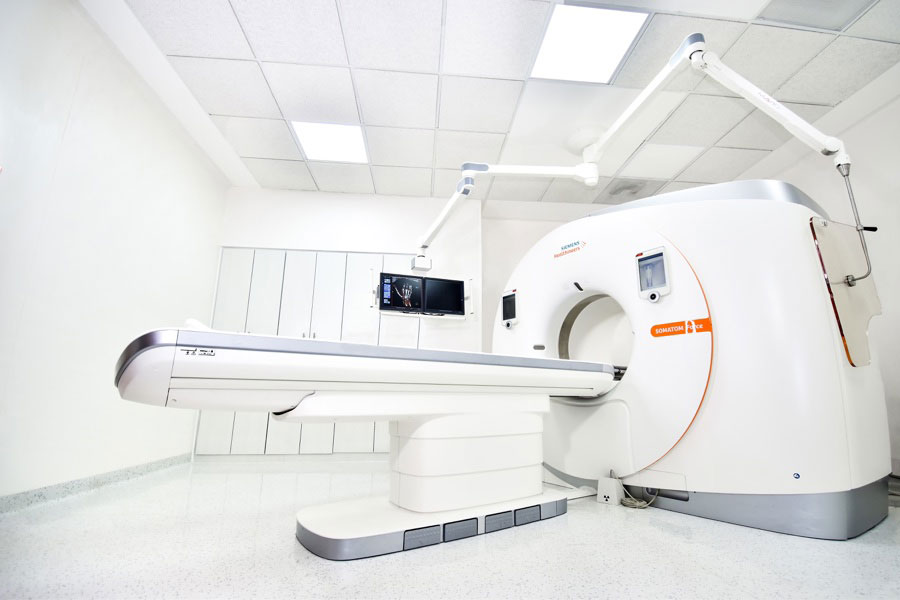
Each procedure is performed in facilities designed to provide safety, privacy, and peace of mind. The operating rooms are equipped with real-time imaging systems and digital tools that enhance the precision of each procedure. Furthermore, biosafety and clinical control protocols that comply with international standards are implemented. This ensures a reliable environment for those requiring diagnostic studies or complex interventional procedures.
The hospital’s healthcare team consists of specialists highly trained in hemodynamics, cardiovascular nursing, and imaging technicians. They all work in coordination to provide personalized care, from pre-procedure preparation through post-procedure follow-up. This support helps identify risk factors, establish preventive treatments, and develop medical strategies that go beyond the immediate procedure.
Hemodynamics is a medical specialty focused on the study and treatment of diseases of the cardiovascular system. It is used to diagnose and treat problems in the blood vessels, the heart, and other related structures.
Some of the most common procedures performed in the catheterization laboratory include coronary angioplasty, stent placement, and embolization of tumors and vascular malformations.
A cardiac catheterization procedure is performed in a specialized laboratory. A catheter is inserted into a blood vessel through a small incision in the skin and guided to the area to be treated. Real-time imaging techniques are then used to visualize the cardiovascular system and perform the necessary treatment.
The duration of a cardiac catheterization procedure can vary depending on the type of procedure and the complexity of the case. In general, it can last anywhere from 30 minutes to several hours.
Although cardiac catheterization procedures are generally safe, there are some associated risks. These may include bleeding, infection, damage to blood vessels or the heart, allergic reactions to the contrast agents used, and complications related to anesthesia. It is important for the doctor to explain the risks and benefits in detail before performing the procedure.