Emergency and scheduled procedures aimed at reducing the incidence and effects of cardiovascular and neurovascular diseases, using the most advanced technology.
 Vialidad de la Barranca (no number), Hacienda de las Palmas, 52763 Huixquilucan, Mexico
 +52 55 5246 5000
Ext. 5117
+52 55 5246 5000
Ext. 5117
 Monday through Friday from 7:00 a.m. to 9:30 p.m. / Saturday from 7:00 a.m. to 2:00 p.m.
Hemodynamics Unit
Cardiovascular diagnosis and treatment using high-precision technology
The Hemodynamics Service at Hospital Angeles Lomas specializes in the diagnosis and treatment of heart and vascular diseases. Our goal is to provide safe, precise, minimally invasive procedures that enable the timely detection and treatment of cardiovascular problems.
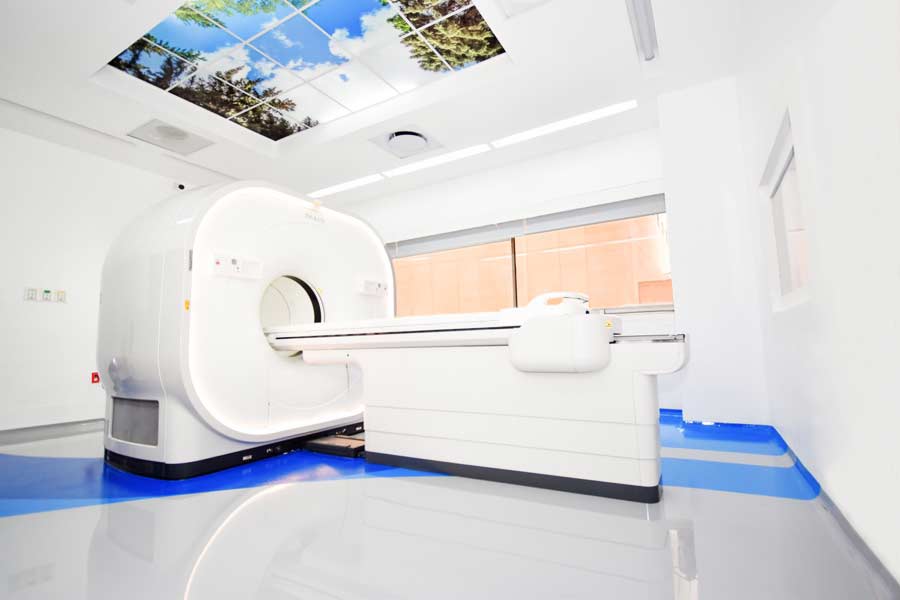
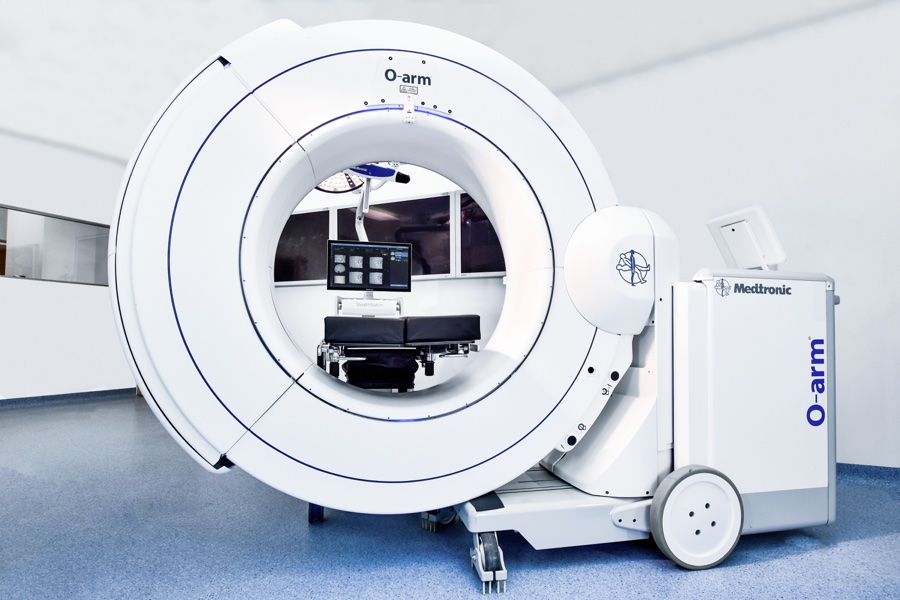
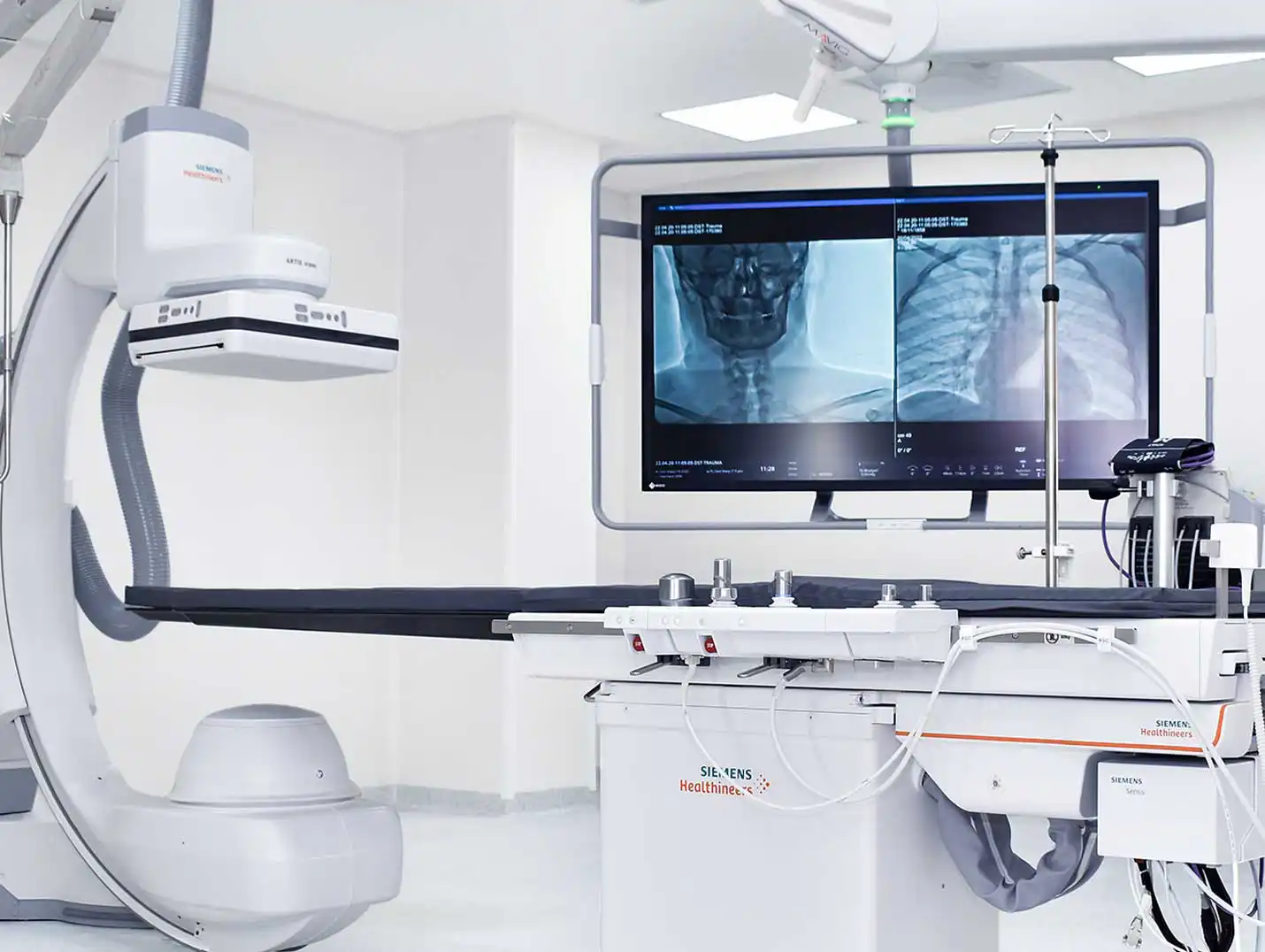
Our cardiac catheterization laboratory is equipped with state-of-the-art technology, advanced imaging, and highly trained staff in interventional cardiology. We perform studies and procedures such as:
Every treatment is performed in accordance with strict safety protocols, with real-time monitoring and personalized care at all times.
At Hospital Angeles Lomas a comprehensive and patient-centered approach: we support patients from the initial evaluation, through the procedure, and throughout their recovery. We are committed to providing precise, safe cardiovascular care focused on improving your quality of life.
If you need a cardiac catheterization procedure or an evaluation by an interventional cardiologist, we are here to help.
Hemodynamics is a medical specialty focused on the study and diagnosis of diseases of the cardiovascular system. It is used to assess the function of the heart and blood vessels, as well as to perform therapeutic procedures such as angioplasty and stent placement.
Some of the most common procedures performed in the catheterization laboratory include coronary angiography, coronary angioplasty, stent placement, tumor embolization, and the repair of vascular malformations.
A cardiac catheterization procedure is performed in a specialized laboratory. A catheter is inserted through an artery or vein in the groin or arm and guided to the area to be treated. A contrast dye is then injected to visualize the blood vessels, and the necessary procedures are performed.
The duration of a cardiac catheterization procedure can vary depending on the type of procedure and the complexity of the case. In general, it can last anywhere from 30 minutes to several hours.
Although cardiac catheterization procedures are considered safe, there are some associated risks. These may include allergic reactions to the contrast dye, bleeding at the puncture site, infections, and damage to blood vessels. However, these risks are rare, and the benefits of the procedures generally outweigh them.