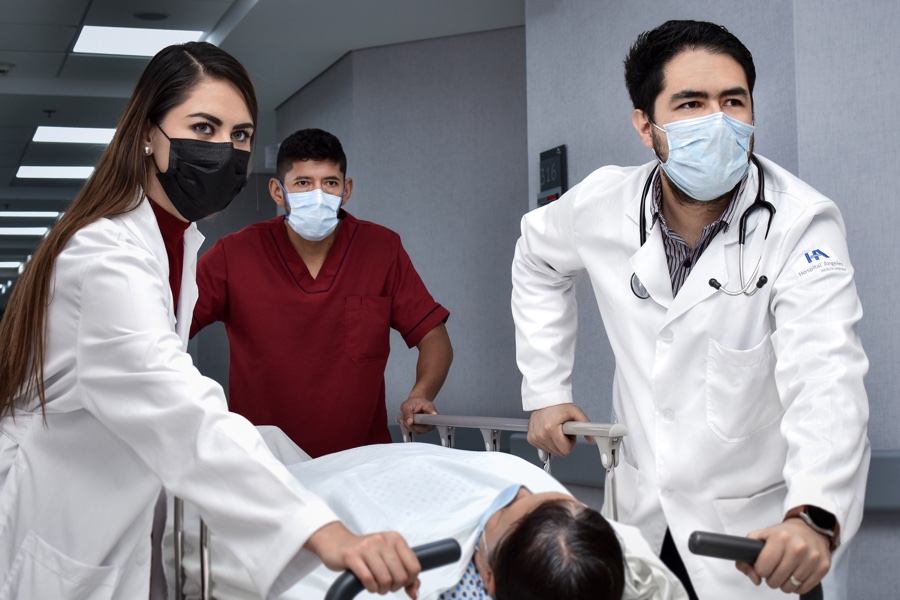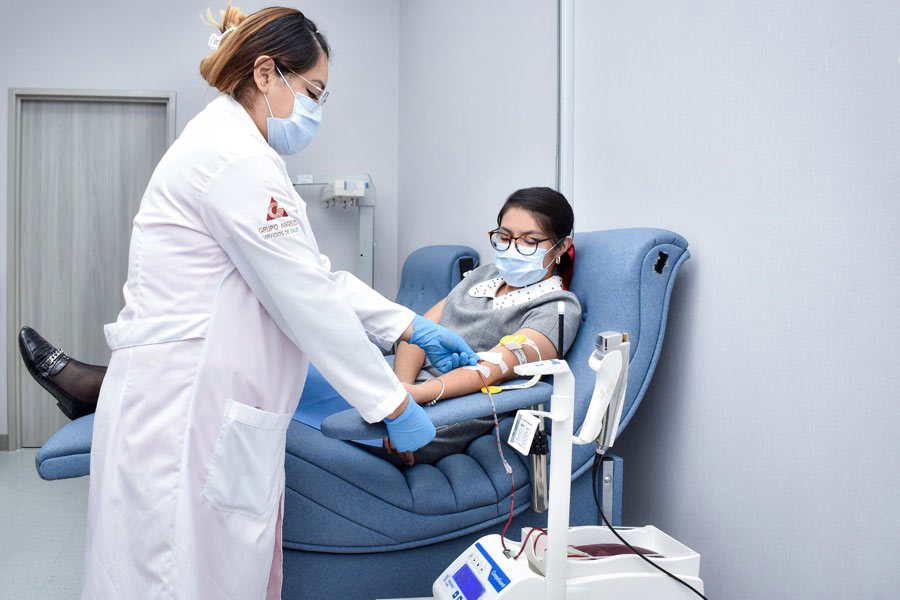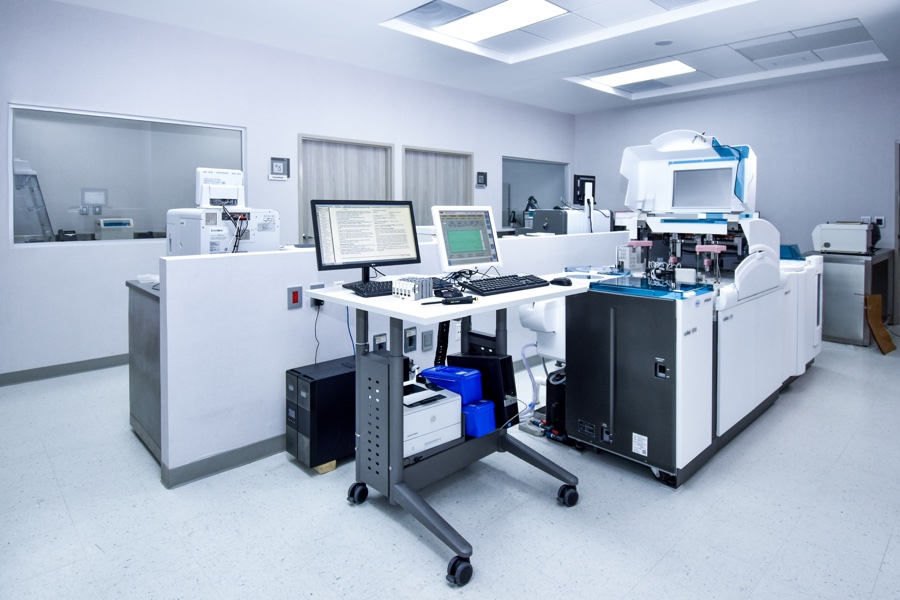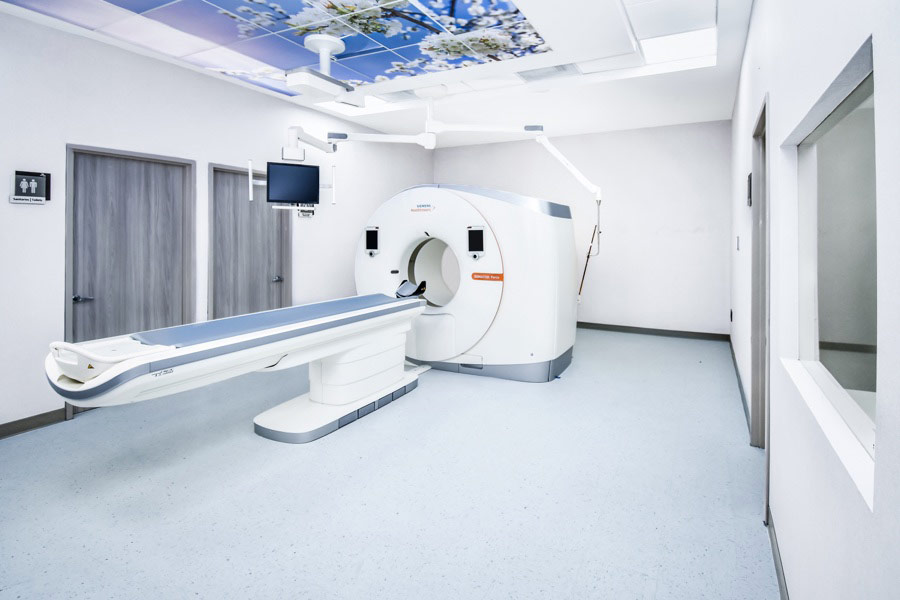
Emergency and scheduled procedures aimed at reducing the incidence and effects of cardiovascular and neurovascular diseases, using the most advanced technology.
 Universidad Ave., Xoco, Benito Juárez, 03339 México City, CDMX
 +52 55 7256 9800
Ext. 5103
+52 55 7256 9800
Ext. 5103
 Monday through Friday: 24 hours a day. Saturday and Sunday: by appointment
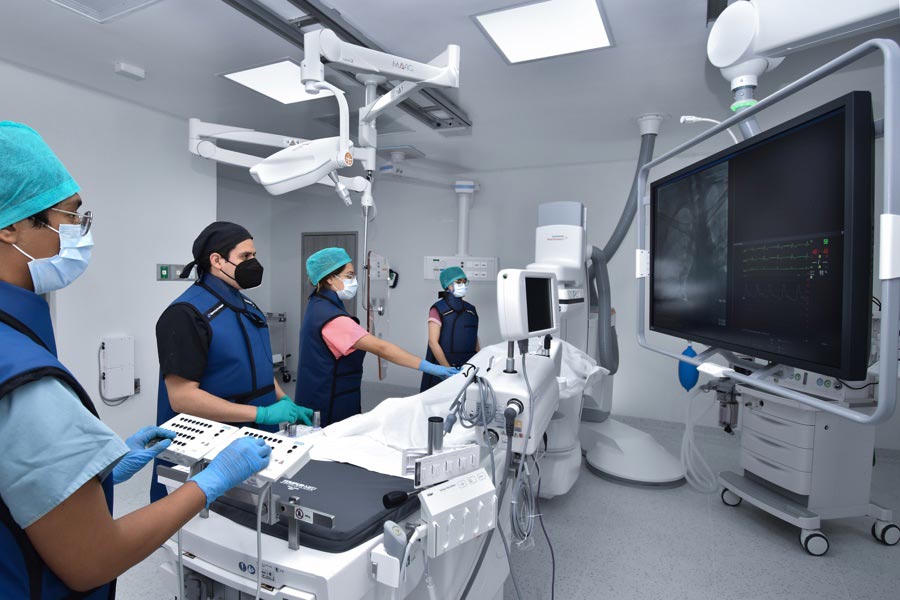
Hemodynamics is a medical specialty focused on the study and diagnosis of diseases of the cardiovascular system. It is used to assess the function of the heart and blood vessels, as well as to perform therapeutic procedures such as angioplasty and stent placement.
Among the most common procedures performed in the catheterization laboratory are coronary angiography, coronary angioplasty, stent placement, and embolization of vascular malformations.
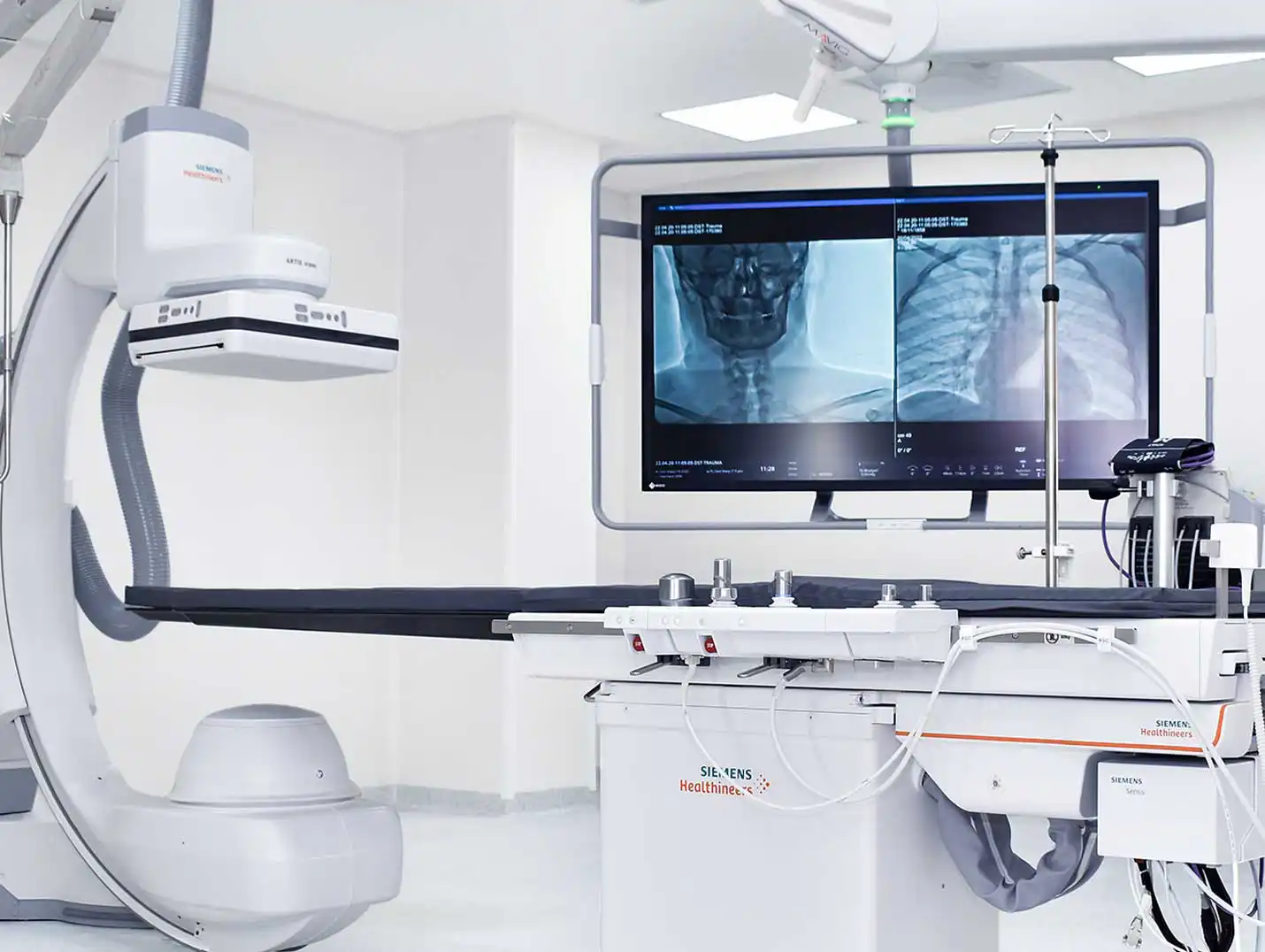
A cardiac catheterization procedure is performed by inserting a catheter through an artery or vein in the patient’s groin or arm. The catheter is then guided to the area to be examined or treated using real-time X-ray imaging. Once in place, various procedures can be performed depending on the purpose of the procedure.
During a cardiac catheterization procedure, local anesthesia is administered at the catheter insertion site, so the patient should not feel any pain there. However, you may experience some discomfort or pressure during the procedure. It is important to let the medical team know if you feel any discomfort so they can take the necessary steps.
The duration of a cardiac catheterization procedure can vary depending on the type of test or treatment being performed. Generally, it can last between 30 minutes and 2 hours. However, it is important to keep in mind that each case is unique, and the exact duration will depend on the patient’s specific needs.